



Chicago RTA proposes transit improvement plan
The $2.5 billion initiative calls for issuing a series of bonds over the next five years, averaging about $500 million in capital improvement dollars each year. While each agency would be able to prioritize the projects to fund, the RTA has an existing list of backlogged projects it will reference before approving expenditures.

Chicago’s Regional Transportation Authority announced a plan to fund capital improvements for transit systems across Chicago and the suburbs.
The $2.5 billion initiative stands to improve overall experiences and travel times for CTA, Metra and Pace riders, while also helping to lower each agency’s operating costs, and places no additional burden on riders or taxpayers.
“System-wide, riders are suffering from an aging infrastructure that’s only deteriorating further because there just aren’t enough funds to properly repair what needs to be fixed,” said John S. Gates, Jr., chairman of the RTA board. “We recognize the need to show a strong commitment to providing safe, reliable and affordable public transportation throughout the Chicago area and believe this plan provides the necessary funding to do that.”
The plan calls for issuing a series of bonds over the next five years, averaging about $500 million in capital improvement dollars each year. While each agency would be able to prioritize the projects to fund, the RTA has an existing list of backlogged projects it will reference before approving expenditures.
“We must make the kind of investments necessary to reduce the nearly $100 million we spend each year simply maintaining the system,” Gates said.
The RTA would take advantage of its strong AA bond rating to secure the funds. The RTA’s bond rating is lower than that of the State or any of the service boards so it can be competitive in the financial markets. Projected growth in RTA revenues would more than cover the debt service.
The CTA, Metra and Pace are facing a massive shortfall in state and federal funding for capital projects over the next five years. Only $700 million has been budgeted for improvements with those agencies each year — far less than the $1.3 billion needed just to keep the system from getting worse.
In seeking approval to issue the bonds, the RTA is also proposing streamlining the funding process for public transportation. The RTA is proposing moving from a complex funding formula to a vastly simpler, more regional approach, which will allow the service boards to maintain their current revenue.
This proposal calls for dividing bonding funds in the same manner as dividing of public funds — CTA receiving 56%, Metra 32% and Pace 12%. These are the same proportions received in 2012.
The RTA plan will be introduced in the January 2013 legislative session.
More Bus

Scenes from APTA TRANSform & EXPO 2026
Transit leaders, manufacturers, and industry professionals gathered in Chicago to explore new technologies, share ideas, and discuss the future of public transportation.
Read More →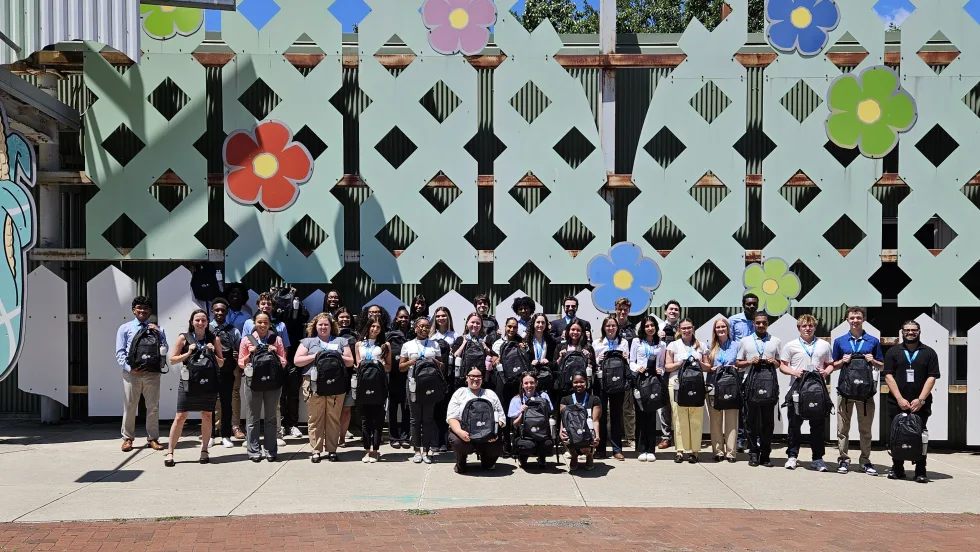
More Than a Summer Job: Building the Next Generation of Transit Talent
The Delaware River Port Authority and PATCO have transformed their internship program into a hands-on professional development experience that introduces students to the breadth of transportation careers — and creates a pipeline for future employees.
Read More →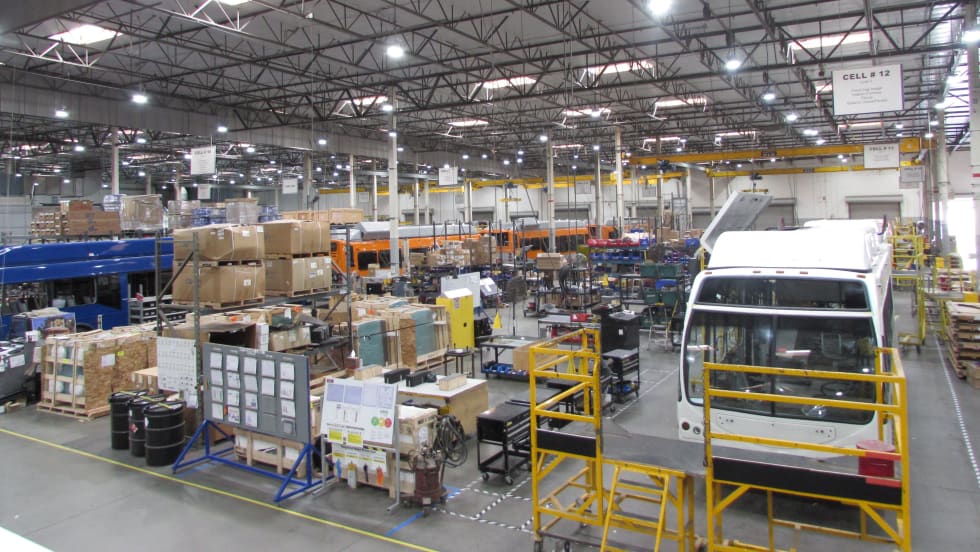
LA Metro Board Awards 220 Battery-Electric Bus Contract to ENC
The contract, which is the largest base award of battery-electric buses by a U.S. transit agency, will be built in Southern California, sustaining good jobs as LA prepares to welcome the world in 2028
Read More →
Public Transit Conference Returning to GFX in 2027, Call for Papers Now Open
The Call for Papers is now open, allowing transit agency professionals and industry experts to help shape the PTC educational program by submitting session ideas for consideration.
Read More →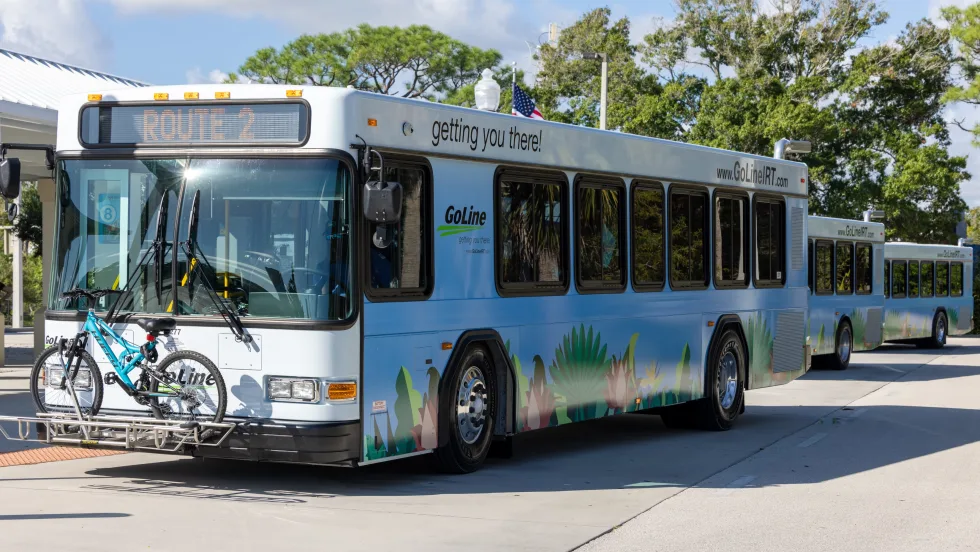
Indian River Transit’s Community-Focused Approach Earns National Recognition
Named APTA’s 2026 Outstanding Public Transportation System in its size category, Florida’s Indian River County transit system continues to grow ridership through fare-free service and a focus on evolving community needs.
Read More →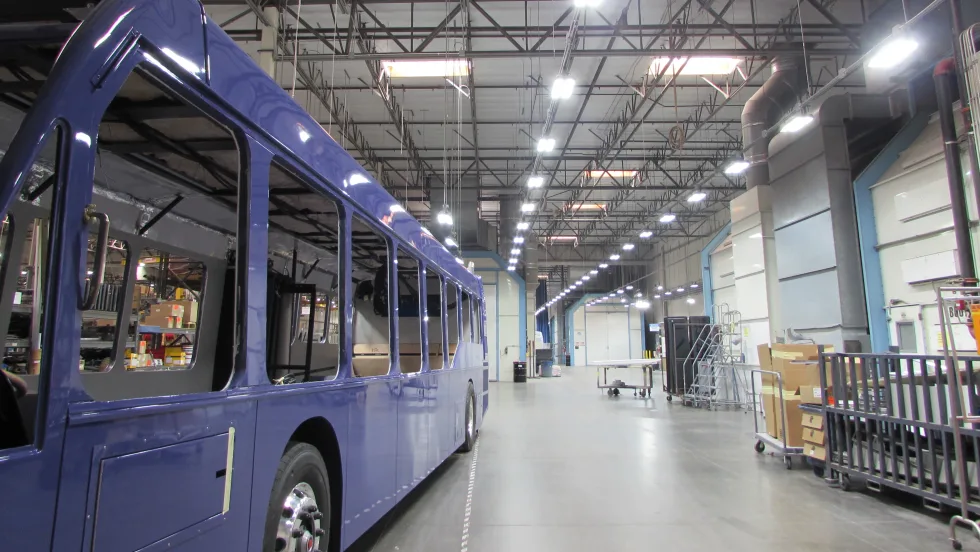
ENC Lands MATA Contract and More in Biz Briefs
In this edition of Biz Briefs, we spotlight the latest developments shaping the future of mobility.
Read More →
From Surviving to Thriving: Building Stronger Transportation Organizations
Bus Business Consultants founder Brian Dickson shares lessons on leadership, organizational health, and creating options for long-term success in a changing transportation industry.
Read More →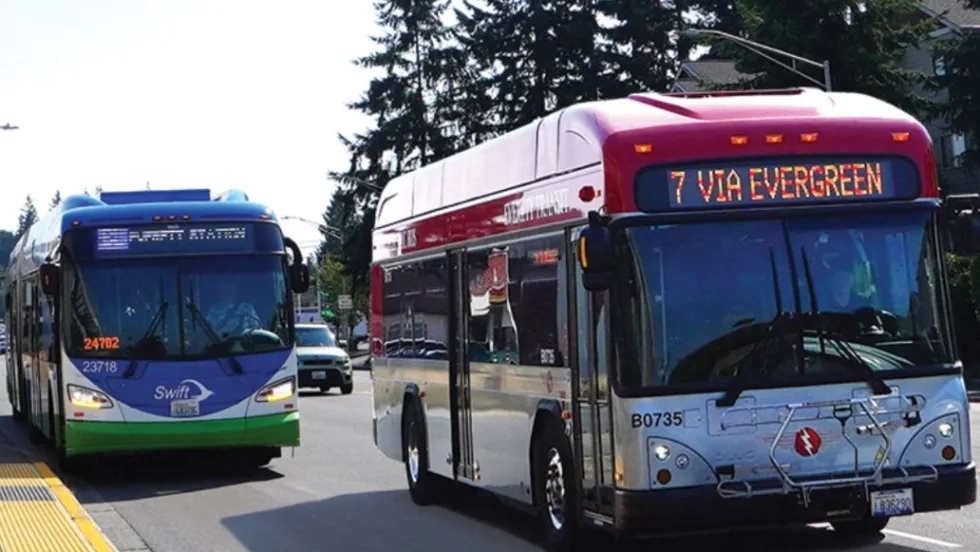
Everett Transit, Community Transit Outline Consolidation Agreement
The proposed agreement calls for a 50% increase in bus service in Everett, a new microtransit zone, continued paratransit service, and the transfer of Everett Transit operations to Community Transit.
Read More →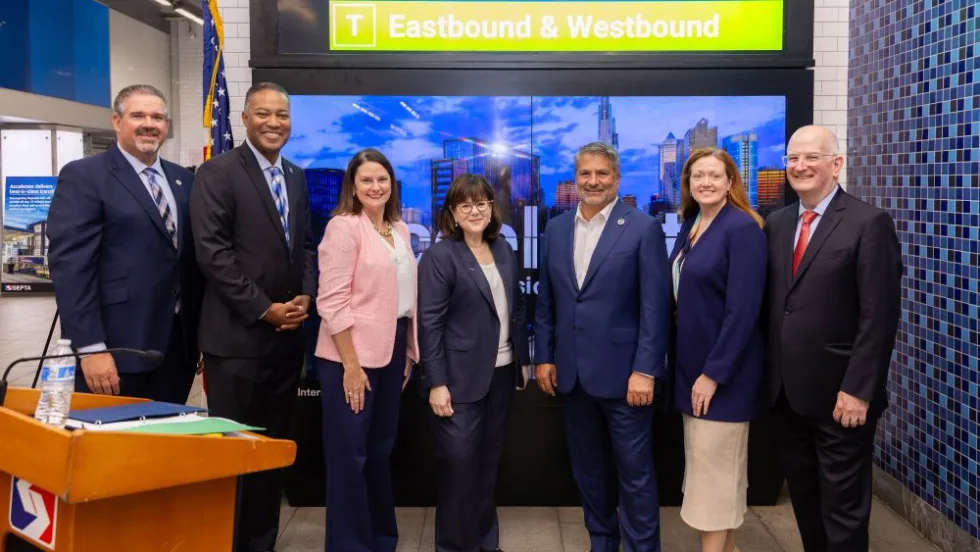
SEPTA Details Accelerate Vision for Transit System
The plan outlines investments in trolley modernization, new Metro and Regional Rail vehicles, accessible stations, and more frequent bus and rail service.
Read More →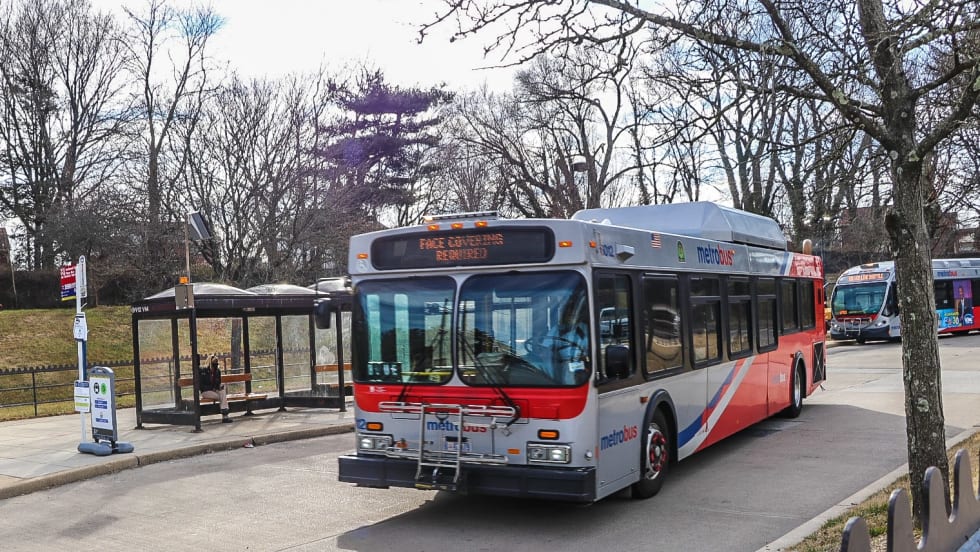
Report: Transit Bus Manufacturing Supports 34,100 Jobs, $5.1B in GDP
The “Buses Mean Business” report examines the transit bus manufacturing industry’s economic footprint, supply chain, and rising demand for vehicle replacements.
Read More →