



Chicago Transit adds more rail station concessions
In the past three years, the CTA has added 52 new retail concession spaces. The agreements are part of CTA’s continued effort to improve customer convenience and amenities while generating long-term revenue for the transit agency.

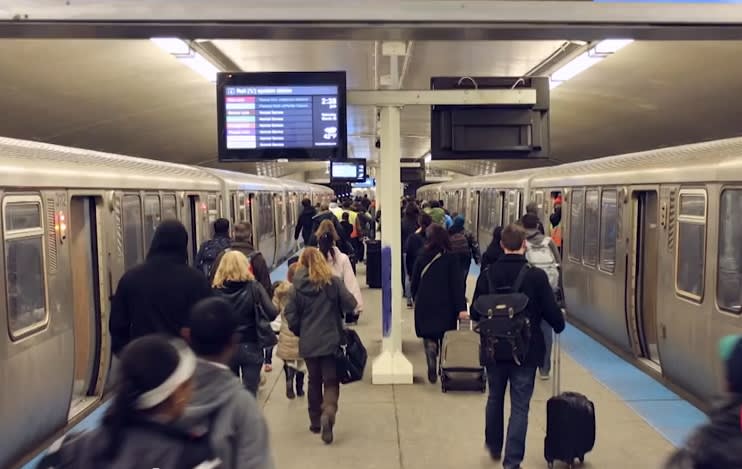
The Chicago Transit Authority’s (CTA) board approved eight new concession leases at rail stations on the Brown, Green, Red, Orange, Purple and Blue lines, including a new, locally-owned eatery at the Green Line Halsted station.
In the past three years, the CTA has added 52 new retail concession spaces. The agreements are part of CTA’s continued effort to improve customer convenience and amenities while generating long-term revenue for the transit agency.
The Halsted station will be home to the new locally-owned Praise Chicago Restaurant, which will hire local youth and teach them skills to pursue careers in the culinary arts.
RELATED:Transit Systems Find Creative Ways to Generate Revenue
This latest addition on the Green Line will compliment other small businesses that have opened in CTA stations in the last three years.
“The CTA has boosted efforts to add a diverse offering of concessions for our customers’ convenience, said CTA President Forrest Claypool. “CTA has been pleased to add gourmet food vendors to its rail stations to further improve amenities for customers and to partner with local entrepreneurs.”
The other new concession leases announced by the CTA include new Dunkin’ Donuts at Chicago, Davis, and Western on the Red, Purple and Brown Lines. The Blue Line will receive several new leases including a convenience store at Harlem, a newsstand at Washington and a Greyhound ticket booth at Cumberland. The Kedzie Orange Line will have a newsstand.
The total revenue to CTA from the new leases is estimated at $1.8 million.
More Management
The Business Voice Behind Public Transportation
As chair of APTA’s Business Members Board of Governors, Ray Melleady explains how more than 850 business members are partnering with transit agencies to advance funding, innovation, and industry-wide collaboration.
Read More →
New York’s CDTA Service Rebalancing Boosts Productivity, On-Time Performance
Despite a slight dip in ridership, the agency’s FY2026 results show its service rebalancing strategy is helping the agency carry more riders per service hour while improving reliability.
Read More →
People Movement: ABC Names John Walsh as Chief Commercial Officer
In this edition, METRO also covers recent appointments and announcements at the DART, STV, and more, showcasing the individuals helping to shape the future of transportation.
Read More →
From Surviving to Thriving: Building Stronger Transportation Organizations
Bus Business Consultants founder Brian Dickson shares lessons on leadership, organizational health, and creating options for long-term success in a changing transportation industry.
Read More →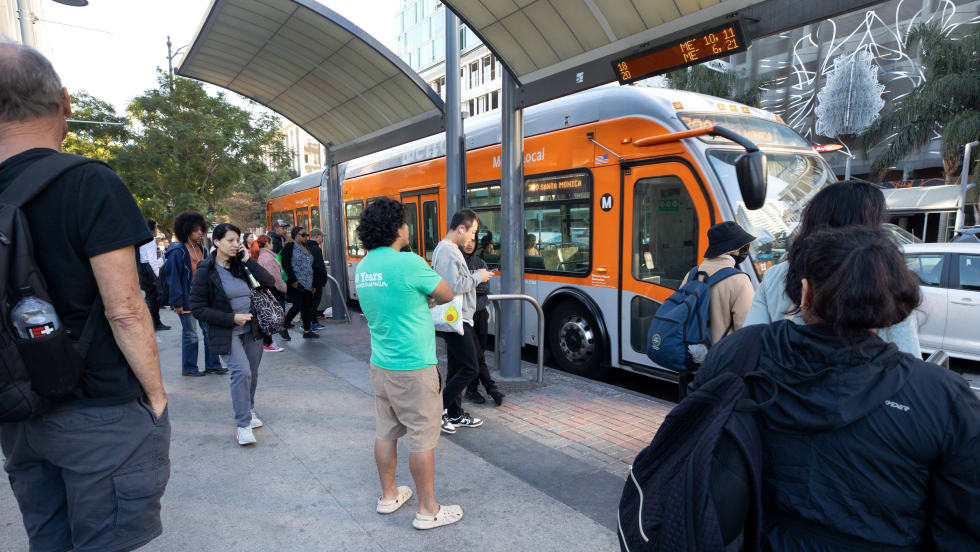
LA Metro Ridership Continues Growth as Rail Gains Accelerate
New rail connections and major events help drive continued ridership gains, with Metro recording its eighth consecutive month of year-over-year rail growth.
Read More →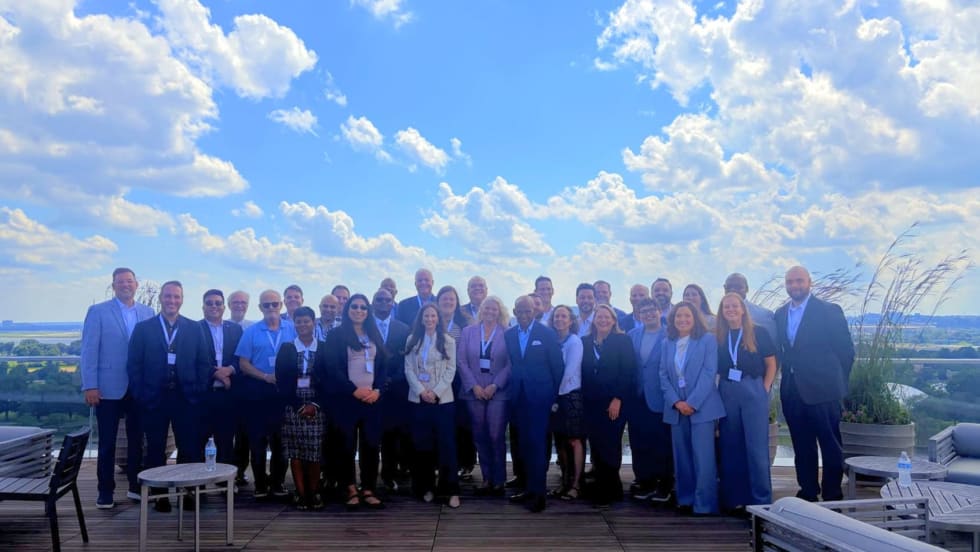
TransDASH Summit Focuses on Measuring What Matters in Transit
Transit agencies unveil a national performance platform designed to benchmark customer experience, safety, community value, and other outcomes.
Read More →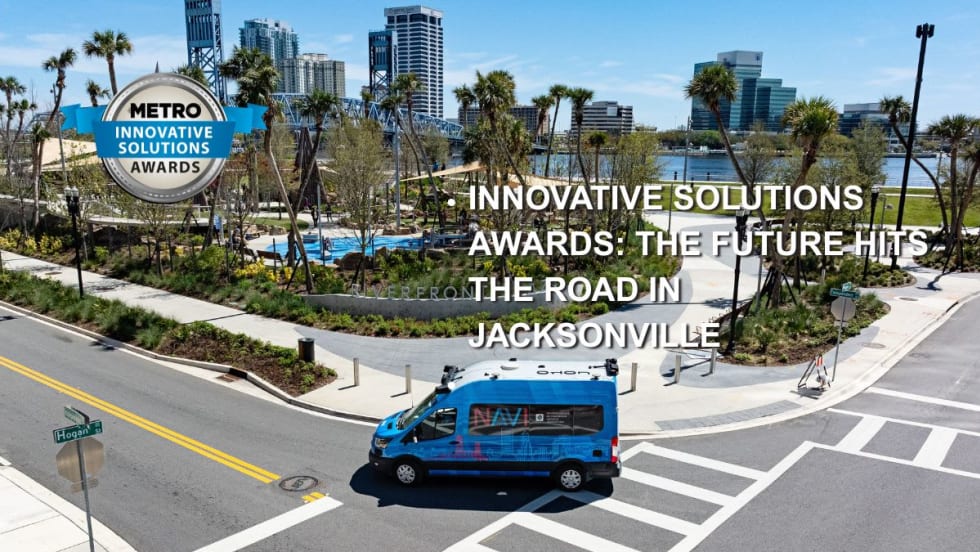
Jacksonville’s NAVI Project Charts a New Course for Autonomous Public Transportation
Through its NAVI program, JTA is showing how autonomous vehicles, intelligent infrastructure, and coordinated operations can work together to deliver everyday public transportation.
Read More →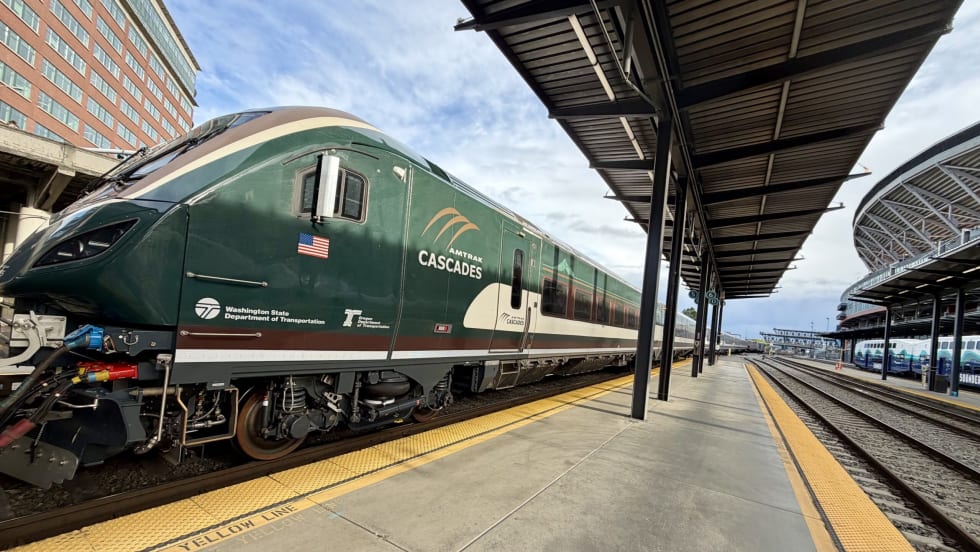
FRA Announces $5.3B in Rail Investments, Including $2B for Amtrak
Funding will support grade-crossing improvements, infrastructure upgrades, and new Amtrak equipment in 23 states.
Read More →
Finding the ‘Happy Medium’: Optimizing Maintenance Without Sacrificing Reliability
The key to maintenance optimization isn’t doing less work—it’s doing the right work at the right time on the right assets.
Read More →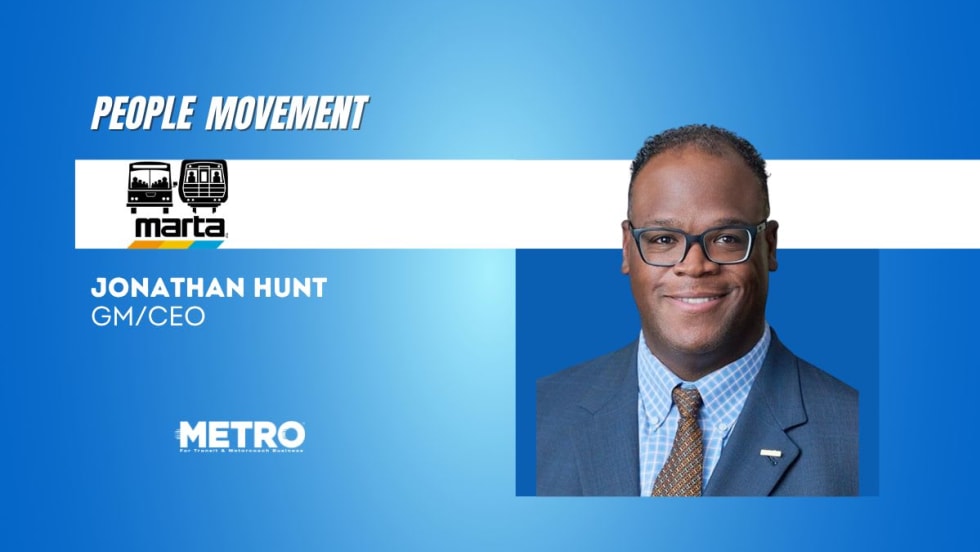
People Movement: MARTA Drops Interim Tag on GM/CEO Hunt and More
In this edition, METRO covers recent appointments and announcements at the FMCSA, HDR, SilverRide, and more, showcasing the individuals helping to shape the future of transportation.
Read More →