



Chicago Transit offers first look at new Red Line terminal
The $240 million reconstruction project, slated to begin in spring 2014, will create a facility that will serve as a community focal point and an anchor for economic opportunity on Chicago’s South Side.

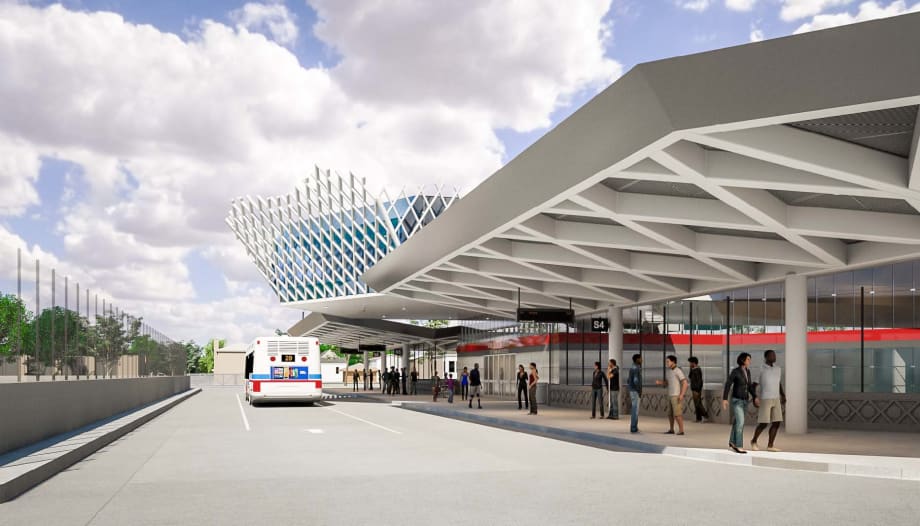
A rendering of the new 95th Street station.

Chicago Mayor Rahm Emanuel unveiled the design renderings for the new 95th Street Red Line station, a project to modernize transit and promote economic opportunity on Chicago’s South Side.
The $240 million reconstruction project, slated to begin in spring 2014, will create not only a brand-new, reconfigured station to serve the Chicago Transit Authority's (CTA) busiest rail line, but also a facility that will serve as a community focal point and an anchor for economic opportunity on Chicago’s South Side.
The terminal project, expected to generate about 700 construction jobs, follows the on-time, on-budget reconstruction of the Red Line South between downtown and 95th Street. The Red Line South reopened in October and has resulted in smoother, faster and more reliable rides for customers.
"This is a once-in-a-generation opportunity to make a significant investment in both the South Side and the Red Line and its riders," said Mayor Emanuel. "The Red Line is the backbone of our transportation network and this new station will drive economic activity throughout the city for years to come."
The new station design features contemporary architecture including glass and steel canopies and light-filled, glass-enclosed structures with expanded space for customers. The station will have buildings both north and south of 95th Street, connected by an enclosed walkway over 95th Street, and will include three times the amount of retail concession space as the current station.
The project will also incorporate artworks from internationally recognized, Chicago-based artist Theaster Gates, and involve a program incorporating job creation, skills training and significant community engagement by the artist. Gates is holding a series of community meetings through December to engage and promote dialogue among community residents, architects, and designers about what kinds of artwork and community involvement might be possible for the project.
The new station will create a better, safer and more accessible pedestrian environment, with wider sidewalks and larger waiting areas for increased passenger comfort. Wider bus lanes and increased spacing between bus bays will reduce congestion and improve traffic flow.
The 95th Street project is part of more than $4 billion in transit investment being made by Mayor Emanuel. Though the construction schedule has not been finalized, the 95th Station is expected to remain open throughout the construction project.
Funding is provided through a variety of federal, state and local sources, including a Federal TIGER grant, TIFIA loan, Federal Bus Livability grant, Federal Formula funds, State of Illinois Jobs Now funds and CTA funds.
More Rail
FRA Announces $5.3B in Rail Investments, Including $2B for Amtrak
Funding will support grade-crossing improvements, infrastructure upgrades, and new Amtrak equipment in 23 states.
Read More →
Finding the ‘Happy Medium’: Optimizing Maintenance Without Sacrificing Reliability
The key to maintenance optimization isn’t doing less work—it’s doing the right work at the right time on the right assets.
Read More →
OKC Streetcar Makes Zero-Fare Service Permanent
Ridership increased an average of 71% compared with the same period a year earlier during the fare-free pilot.
Read More →
DART Customer Satisfaction Reaches Six-Year High
Overall satisfaction rose to 74.9%, while the agency’s Net Promoter Score reached a record 33.7.
Read More →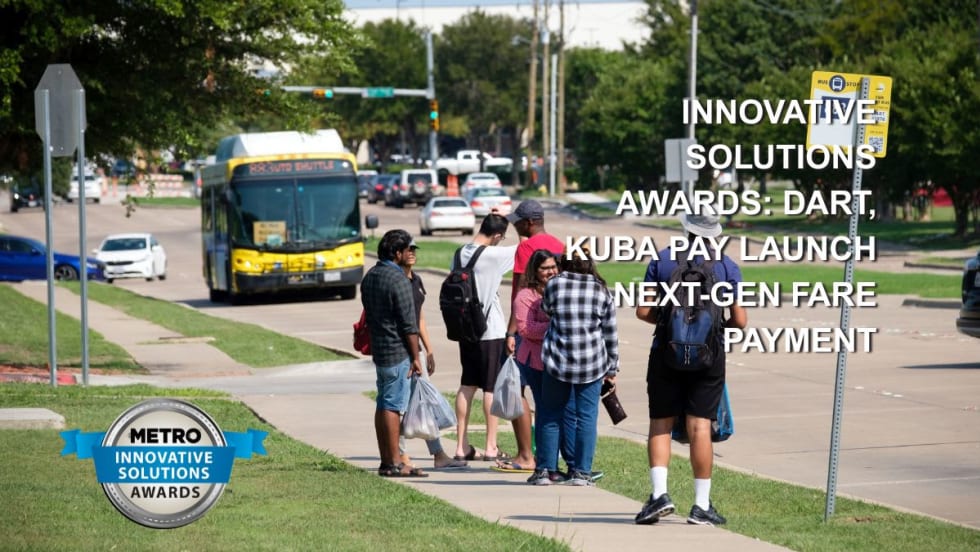
How DART's GoPass Is Redefining Regional Mobility
Serving 14 transit agencies, GoPass simplifies multimodal travel by allowing riders to plan, pay for, and manage an entire trip through one app.
Read More →
Amtrak Board Advances Plan to Restructure Organization, Seeks Public Input
The proposal, developed by Amtrak management and approved by the board for further consideration, is intended to modernize the organization's structure while improving accountability, operational efficiency, and customer service.
Read More →
Biz Briefs: STV teams with Amtrak, Motorcoach Operators Boost Fleet and Land Contracts, and More
From manufacturers and suppliers to transit agencies and motorcoach operators, these updates offer a snapshot of the projects, partnerships and business moves driving the industry forward.
Read More →
Metra Celebrates 100 Years of Electric Rail, Looks to the Future
The event was also a celebration of recent reforms to public transportation in the Chicago area, changes that could be as transformative in the future as the major civic achievement a century ago, said officials.
Read More →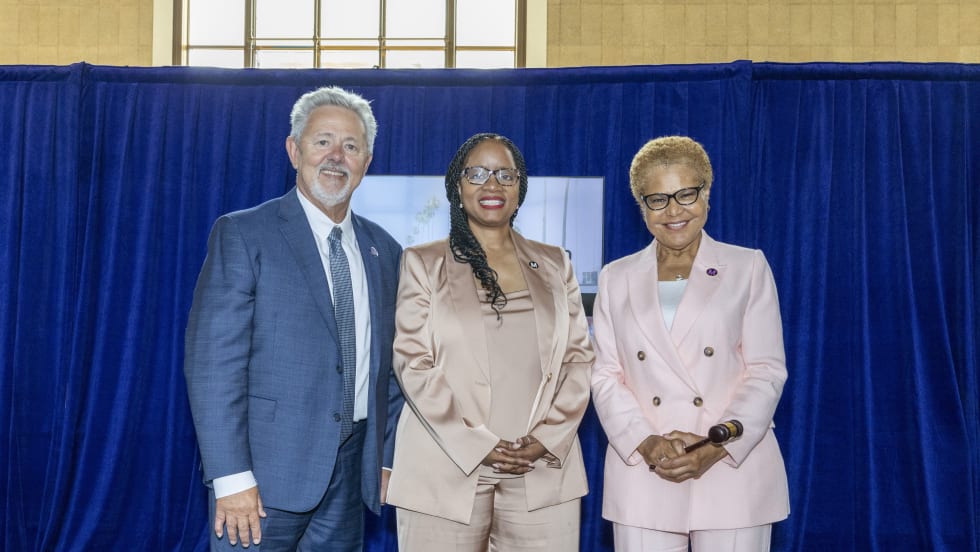
LA Metro Marks Banner Year, Sets Ambitious Goals for New Fiscal Year
Incoming LA Metro Board Chair and Los Angeles Mayor Karen Bass joined outgoing Board Chair Fernando Dutra and LA Metro CEO Stephanie Wiggins to review accomplishments from fiscal year 2026, which included the opening of new rail extensions, advancement of major transit projects, expanded safety programs, and new rider amenities.
Read More →
DART Taps Nathaniel P. Ford Sr. as Next President/CEO
Since 2012, Ford has served as the CEO of the Jacksonville Transportation Authority
Read More →