



Chicago Transit receives $35M grant for rail work
The CTA is the first U.S. transit agency selected for funding through the FTA’s new Core Capacity Grant Program, which is designed to help rail transit providers increase the volume of passengers or trains without expanding the footprint of the system.

Zol87
Zol87
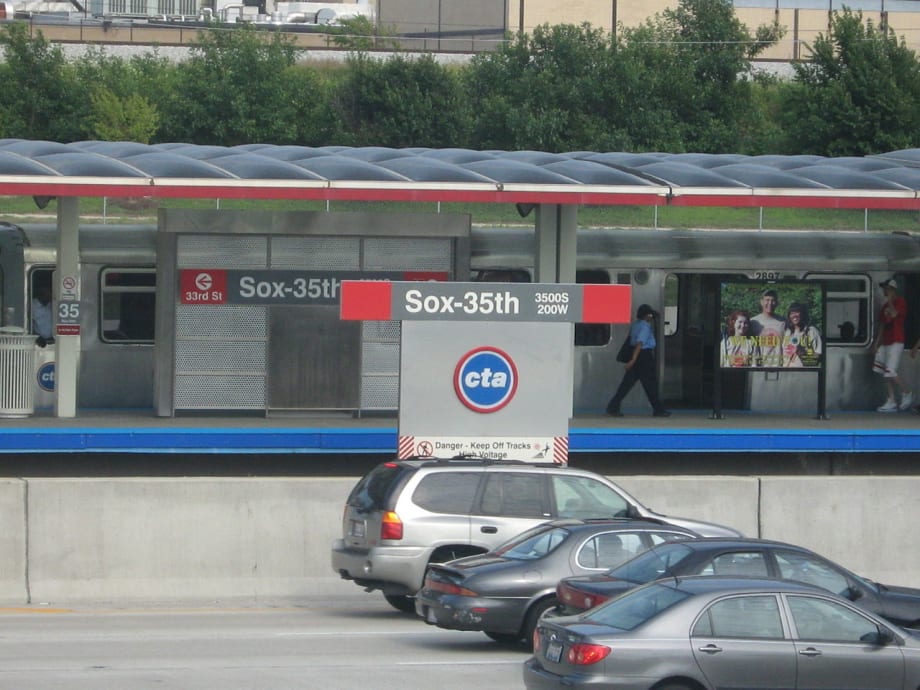
The Federal Transit Administration (FTA) is awarding the Chicago Transit Authority (CTA) a $35 million grant to help lay the groundwork to improve service and capacity on a heavily traveled segment of its aging North Red Line and Purple Line rail transit system.
The CTA is the first U.S. transit agency selected for funding through the FTA’s new Core Capacity Grant Program, which is designed to help rail transit providers increase the volume of passengers or trains without expanding the footprint of the system.
The FTA’s $35 million Core Capacity grant supports $43.7 million to plan the initial phase of the CTA’s comprehensive 9.6-mile, $4.7 billion Red-Purple Line Modernization Project.
The initial work will pave the way for constructing a track bypass immediately north of the CTA Belmont Station to reduce bottlenecks with the Brown Line; expanding and modernizing four rail stations between Leland and Ardmore Avenues, to make them ADA-compliant for the first time; upgrading rail corridor signals; and making other track and related infrastructure improvements.
The future enhancements are expected to result in faster, smoother service and increase passenger capacity by about 30%. Approximately 110,000 daily riders on this segment of the Red and Purple lines are expected to benefit from these investments, according to CTA.
More Management

RTD Launches NextRide App to Consolidate Trip Planning, Fares, Security Reporting
The app expands on RTD’s existing NextRide web application and allows customers to view real-time vehicle locations and service alerts, purchase and store digital fares, and access customer support.
Read More →
The Business Voice Behind Public Transportation
As chair of APTA’s Business Members Board of Governors, Ray Melleady explains how more than 850 business members are partnering with transit agencies to advance funding, innovation, and industry-wide collaboration.
Read More →
New York’s CDTA Service Rebalancing Boosts Productivity, On-Time Performance
Despite a slight dip in ridership, the agency’s FY2026 results show its service rebalancing strategy is helping the agency carry more riders per service hour while improving reliability.
Read More →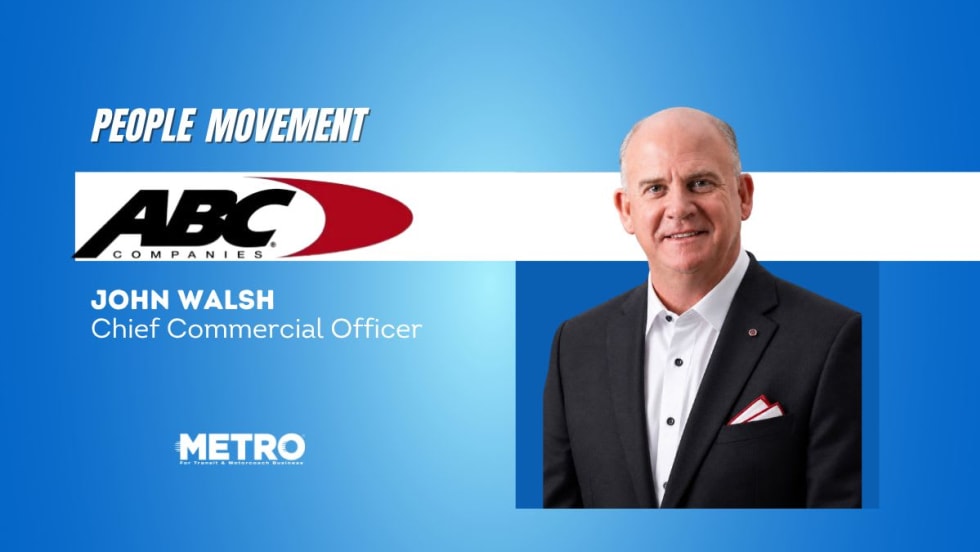
People Movement: ABC Names John Walsh as Chief Commercial Officer
In this edition, METRO also covers recent appointments and announcements at the DART, STV, and more, showcasing the individuals helping to shape the future of transportation.
Read More →
From Surviving to Thriving: Building Stronger Transportation Organizations
Bus Business Consultants founder Brian Dickson shares lessons on leadership, organizational health, and creating options for long-term success in a changing transportation industry.
Read More →
LA Metro Ridership Continues Growth as Rail Gains Accelerate
New rail connections and major events help drive continued ridership gains, with Metro recording its eighth consecutive month of year-over-year rail growth.
Read More →
TransDASH Summit Focuses on Measuring What Matters in Transit
Transit agencies unveil a national performance platform designed to benchmark customer experience, safety, community value, and other outcomes.
Read More →
Jacksonville’s NAVI Project Charts a New Course for Autonomous Public Transportation
Through its NAVI program, JTA is showing how autonomous vehicles, intelligent infrastructure, and coordinated operations can work together to deliver everyday public transportation.
Read More →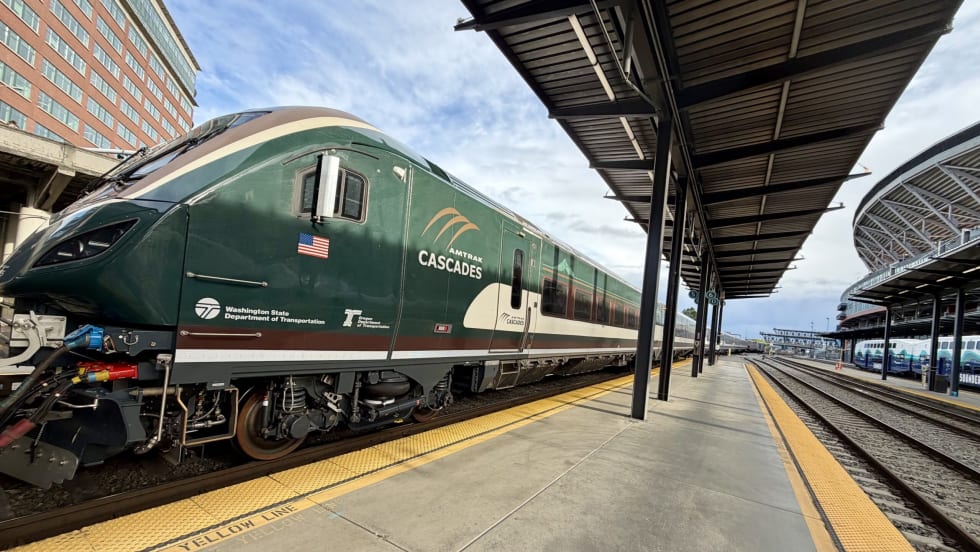
FRA Announces $5.3B in Rail Investments, Including $2B for Amtrak
Funding will support grade-crossing improvements, infrastructure upgrades, and new Amtrak equipment in 23 states.
Read More →
Finding the ‘Happy Medium’: Optimizing Maintenance Without Sacrificing Reliability
The key to maintenance optimization isn’t doing less work—it’s doing the right work at the right time on the right assets.
Read More →