



Chicago transit to reform supply chain system
The Chicago Transit Authority’s overhaul of its system for managing parts and materials includes more stringent reviews of large or non-routine orders, steps to implement an electronic bar-coding system to better track items, and seeking qualified companies that can provide market expertise and industry best practices related to supply-chain functions.

The Chicago Transit Authority (CTA) unveiled a host of improvements to the agency’s system for managing parts and materials — each designed to reduce costs, increase oversight and improve operations.
Appearing at the CTA’s central warehouse on Goose Island, CTA President Forrest Claypool spotlighted tens of millions of dollars’ worth of old parts and supplies that have sat unused for years and laid out plans to more effectively manage the purchase of thousands of items needed to maintain and repair CTA buses, trains and facilities.
The new initiatives include more stringent reviews of large or non-routine orders and steps to implement an electronic bar-coding system to better track items.
CTA will also seek qualified companies that can provide market expertise and industry best practices related to supply-chain functions.
The CTA will also hire an auction firm to sell off unused inventory, which the agency hopes will salvage millions of dollars to put back into some of the agency’s many pressing infrastructure needs.
Of the more than $70 million in current CTA parts and materials, about 47% has not been used or moved in the last 24 months, Claypool said.
About one-third of the 330,000-square-foot main warehouse is devoted to obsolete and unused inventory, including parts ordered for bus and rail equipment that subsequently went out of service, as well as orders of larger-than-needed quantities. These items, ranging from 120 spools of copper and communications wire to customized hand carts, have a value of nearly $6 million.
Among the examples Claypool highlighted were a large supply of window films designed to protect vandalism of railcar windows. The CTA ordered them over three years ago and currently has a stock of 1,500 pieces worth over $100,000. At current use rates, the supply will last another 25 years.
This initiative is the CTA’s latest effort, under Mayor Rahm Emanuel’s leadership, to target cost-savings and increased efficiency.
More Bus
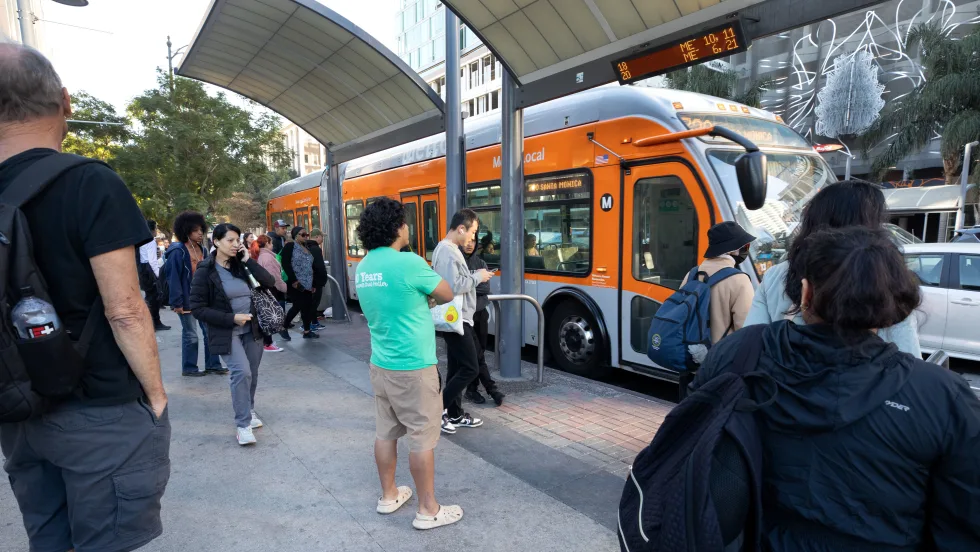
LA Metro September Ridership Climbs 3.9%, Led by Rail Growth
The agency recorded more than 27.2 million boardings, with rail ridership increasing 12.4% year over year and the D Line posting the largest gains.
Read More →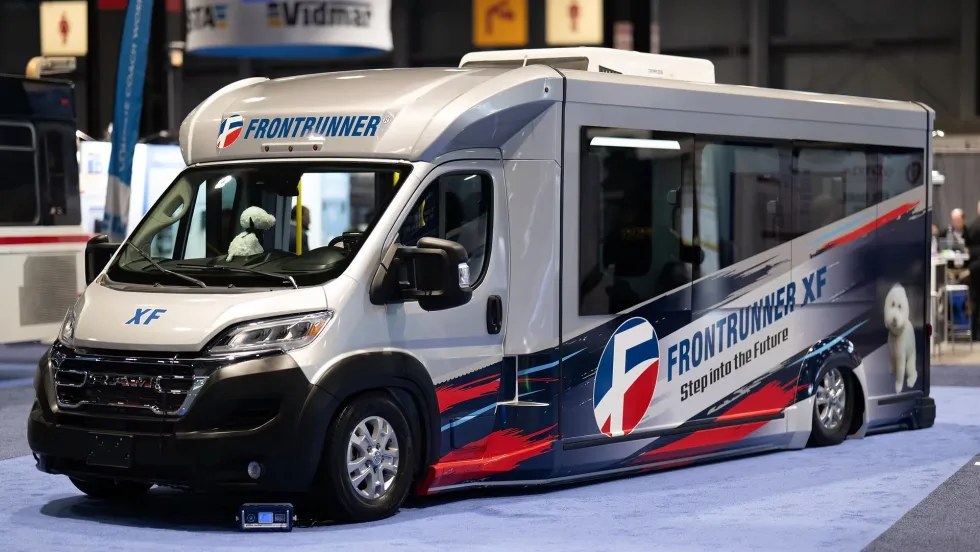
Frontrunner Bus Group Introduces XF Low-Floor Bus with Enhanced Accessibility
The new mid-sized bus features a full flat-floor design, eight-inch curbside step-in height, and zero-entry rear ramp to improve passenger access and operational flexibility.
Read More →
Scenes from APTA TRANSform & EXPO 2026
Transit leaders, manufacturers, and industry professionals gathered in Chicago to explore new technologies, share ideas, and discuss the future of public transportation.
Read More →
More Than a Summer Job: Building the Next Generation of Transit Talent
The Delaware River Port Authority and PATCO have transformed their internship program into a hands-on professional development experience that introduces students to the breadth of transportation careers — and creates a pipeline for future employees.
Read More →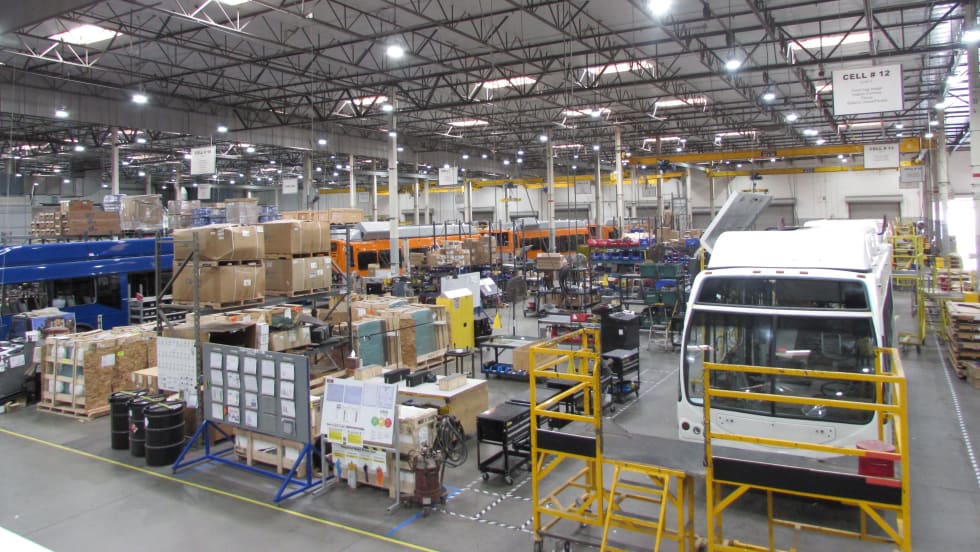
LA Metro Board Awards 220 Battery-Electric Bus Contract to ENC
The contract, which is the largest base award of battery-electric buses by a U.S. transit agency, will be built in Southern California, sustaining good jobs as LA prepares to welcome the world in 2028
Read More →
Public Transit Conference Returning to GFX in 2027, Call for Papers Now Open
The Call for Papers is now open, allowing transit agency professionals and industry experts to help shape the PTC educational program by submitting session ideas for consideration.
Read More →
Indian River Transit’s Community-Focused Approach Earns National Recognition
Named APTA’s 2026 Outstanding Public Transportation System in its size category, Florida’s Indian River County transit system continues to grow ridership through fare-free service and a focus on evolving community needs.
Read More →
ENC Lands MATA Contract and More in Biz Briefs
In this edition of Biz Briefs, we spotlight the latest developments shaping the future of mobility.
Read More →
From Surviving to Thriving: Building Stronger Transportation Organizations
Bus Business Consultants founder Brian Dickson shares lessons on leadership, organizational health, and creating options for long-term success in a changing transportation industry.
Read More →
Everett Transit, Community Transit Outline Consolidation Agreement
The proposed agreement calls for a 50% increase in bus service in Everett, a new microtransit zone, continued paratransit service, and the transfer of Everett Transit operations to Community Transit.
Read More →