



Cincinnati’s SORTA may take on streetcar operating costs
The decision is based upon assurances from the Cincinnati business and philanthropic communities that they will work with the agency in public-private partnership to secure the funds required. The FTA has also agreed to serve as a resource.

The Southwest Ohio Regional Transit Authority’s (SORTA) Board of Trustees expressed its willingness to assume responsibility for Cincinnati Streetcar operating costs.
SORTA’s willingness is based upon assurances from the Cincinnati business and philanthropic communities they will work with SORTA in public-private partnership to secure the funds required to cover the short- and long-term operating costs of the streetcar to the extent other sources of streetcar revenue, such as fares, advertising and sponsorships, are inadequate.
SORTA voted on Tuesday, at its regularly scheduled meeting, to “endorse the concept of assuming responsibility for the operating costs associated with the Cincinnati Streetcar.” SORTA emphasized that bus service will not be affected by this decision. In addition, several viable financial models have been identified by SORTA’s consultant to fund projected streetcar operations and were discussed at the board meeting.
According to SORTA officials, the Federal Transit Administration (FTA) has agreed to serve as a resource for assisting in the development of a viable operating funding model and sharing best practices for streetcar operations in other cities. The agency also announced that a $1 million commitment has been received from The Carol Ann and Ralph V. Haile Jr. US Bank Foundation to seed an operating reserve fund.
“For Greater Cincinnati to successfully develop a truly regional approach to public transportation it is imperative that the Cincinnati Streetcar project proceeds,” said Karl Schultz, vice chair of SORTA’s board. “SORTA is willing to explore assuming responsibility for the streetcar’s future operating costs and we ask the city get the project moving again and work with us and the business and philanthropic communities to quickly move to a viable solution.”
“We believe this is a viable solution for our region. The city will not be responsible for the future operating costs of the Cincinnati Streetcar,” Terry Garcia Crews, CEO and GM of Metro, said. “Our business and philanthropic leaders have demonstrated leadership, and we are confident they will deliver. Importantly, because of SORTA’s involvement, discussion of the Cincinnati Streetcar can now be considered in the context of this region’s comprehensive public transit needs.”
Speaking on behalf of the business and philanthropic communities, Eric Avner, VP of the Haile Foundation, said: “We are committed to seeing the streetcar through to completion and beyond. SORTA has stepped up and is more than qualified to serve in this role. This is another great example of community collaboration helping to move the region forward.”
The concept approved by SORTA at its board meeting requires further refinement and collaboration between the city, its business and philanthropic communities and SORTA. The essential elements include:
1. SORTA will not permit operation of the streetcar to adversely impact the existing Metro bus system.
2. The city will resume construction of the streetcar and will remain responsible for completion of the construction project as required under existing grants, plans and contracts; SORTA’s role in the construction phase will not change from the current status.
3. At a yet-to-be-identified trigger point (likely substantial completion of construction), SORTA will assume all responsibility for providing operating funds necessary to operate the streetcar; the city will not be responsible for any streetcar operating costs.
4. All streetcar assets will be conveyed to SORTA upon completion of construction or some other mutually-agreed upon date.
5. The city will remain a party to all utility relocation agreements and will remain liable for any related litigation.
6. The Cincinnati business and philanthropic communities will work with SORTA and the city to provide adequate and firm financial assurances and guarantees to fund operation of the streetcar to the extent other sources of streetcar revenue, such as fares, advertising, sponsorships, etc., are inadequate.
7. The Cincinnati business and philanthropic communities will work with SORTA to establish a “Streetcar Advisory Committee” or similar oversight group to assist SORTA in the implementation and operation of the streetcar.
RELATED: "Streetcar Projects Continue Breaking Ground Despite Uncertain Federal Future"
More Management

Finding the ‘Happy Medium’: Optimizing Maintenance Without Sacrificing Reliability
The key to maintenance optimization isn’t doing less work—it’s doing the right work at the right time on the right assets.
Read More →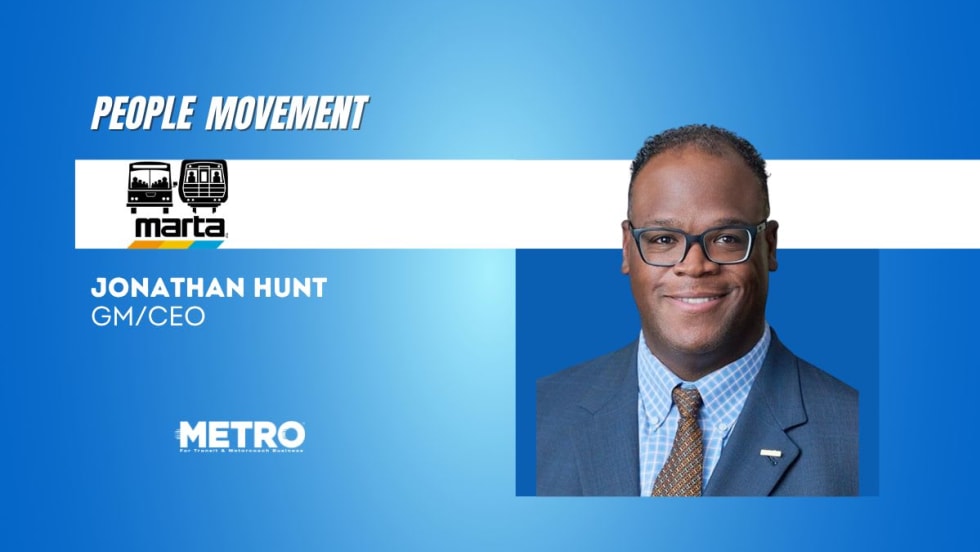
People Movement: MARTA Drops Interim Tag on GM/CEO Hunt and More
In this edition, METRO covers recent appointments and announcements at the FMCSA, HDR, SilverRide, and more, showcasing the individuals helping to shape the future of transportation.
Read More →
VIA Metropolitan Transit Reports 2 Million More Passenger Trips as Better Bus Plan Gains Momentum
San Antonio's transit agency said accelerated service improvements are driving ridership growth, offering another example of how increased frequency and workforce investments can translate into stronger transit performance.
Read More →
ABAF Study Reveals Growing Insurance Crisis for Motorcoach Operators
Preliminary findings show 98% of operators faced premium increases over the past five years, while shrinking insurer participation is putting added pressure on businesses and customers.
Read More →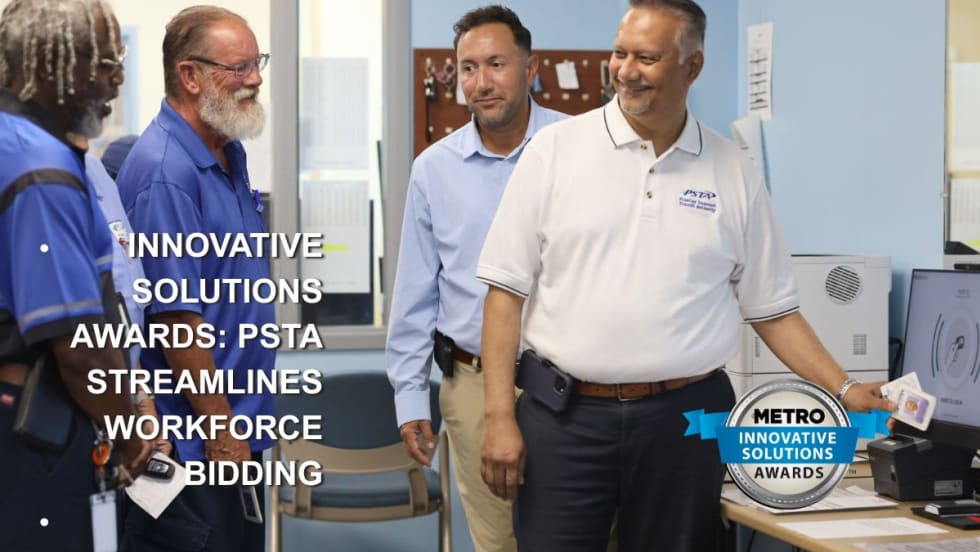
PSTA Modernizes Workforce Management with Digital Bidding System
The award-winning Workforce Transit Modernization project replaced paper bidding with a transparent digital platform, cutting administrative effort while improving access for operators.
Read More →
Chicago to Host Public Transportation's Biggest Gathering at APTA TRANSform & EXPO 2026
North America’s largest public transportation gathering returns to Chicago, connecting transit decision-makers with the technologies, ideas, and partnerships driving the industry forward.
Read More →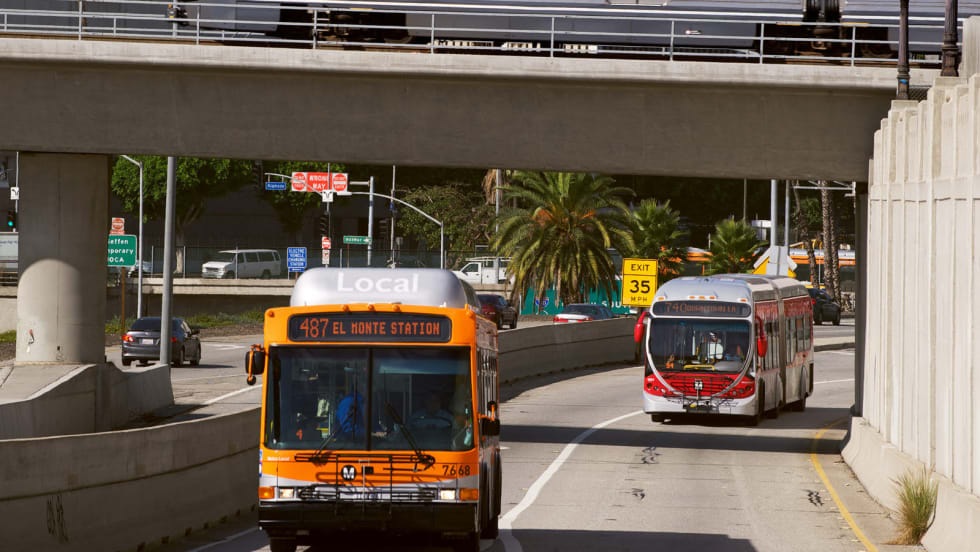
New Tricks for Old Bureaucracies: Joshua Schank on Making Transit Innovation Stick
Former LA Metro Chief Innovation Officer Joshua Schank discusses why good ideas aren't enough, how transit agencies can overcome resistance to change, and why today's challenges demand more innovation.
Read More →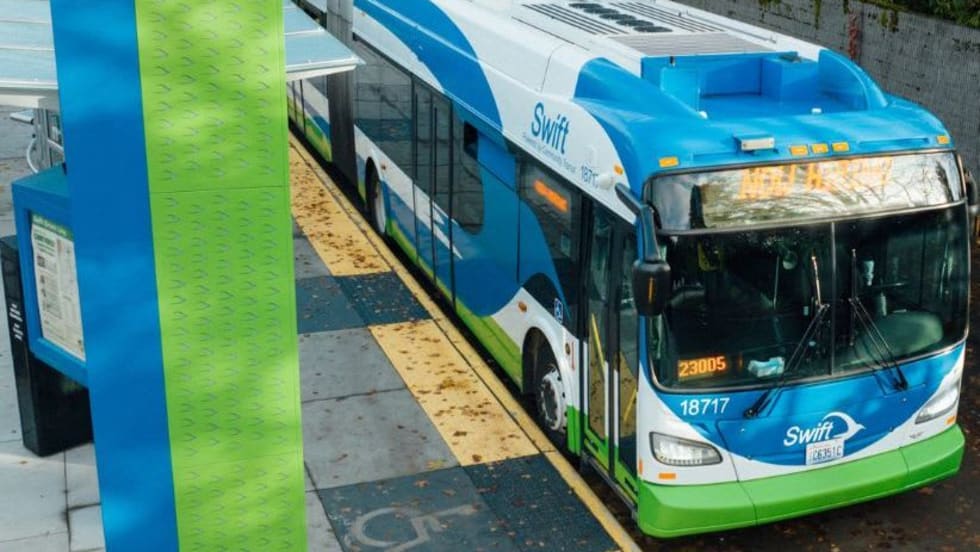
Washington's Community Transit Sets Six-Year Roadmap for Growth, Expansion
Approved TDP targets more bus service, new mobility options, Swift BRT expansion, and a potential Everett Transit annexation.
Read More →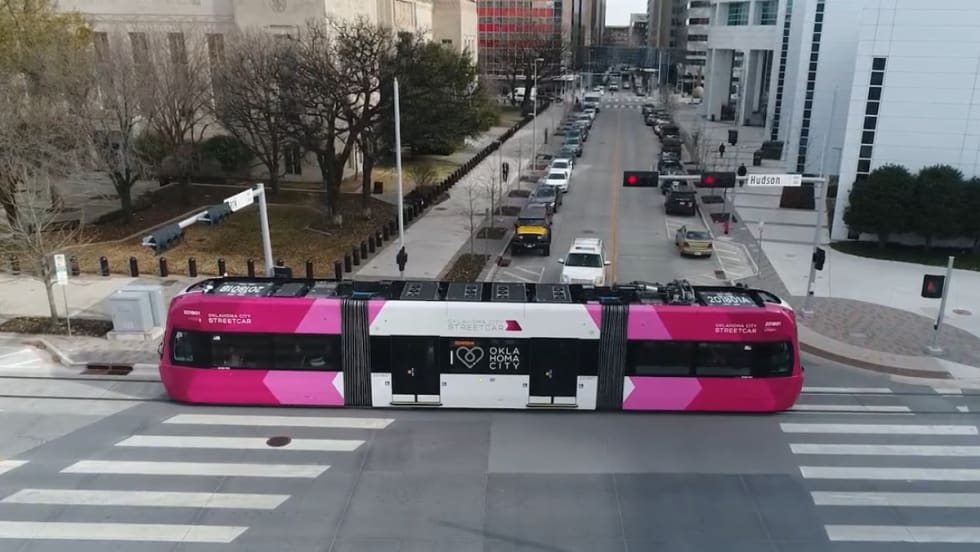
OKC Streetcar Makes Zero-Fare Service Permanent
Ridership increased an average of 71% compared with the same period a year earlier during the fare-free pilot.
Read More →
DART Customer Satisfaction Reaches Six-Year High
Overall satisfaction rose to 74.9%, while the agency’s Net Promoter Score reached a record 33.7.
Read More →