




RELATED: Bus Coalition asks President for bus funding in infrastructure plan
Congress launches bipartisan Congressional Bus Caucus
The Caucus seeks to highlight the benefits of investing in bus systems, the challenges accompanying aging bus fleets and facilities, and encourage innovation in a rapidly changing transportation climate.
December 1, 2017
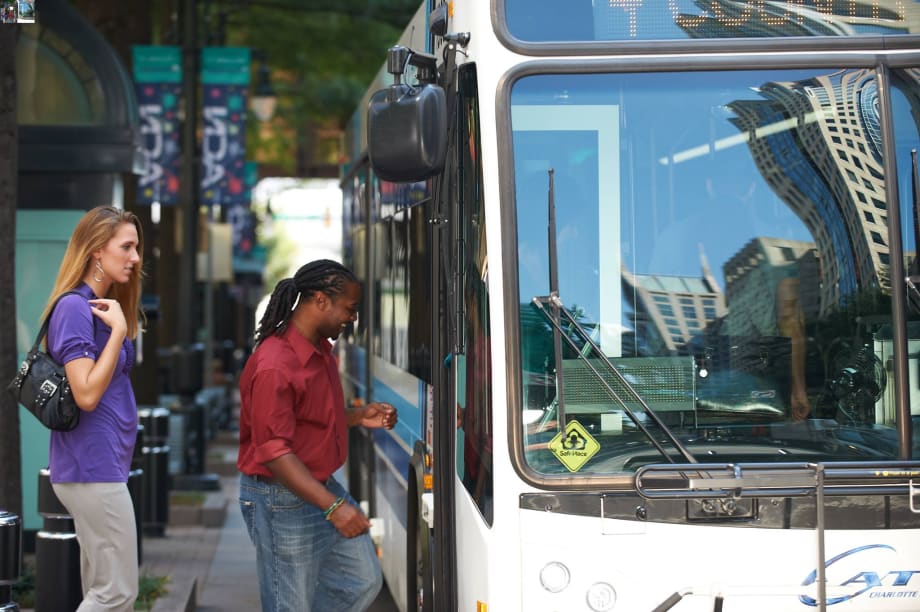
The Caucus will raise awareness on Capitol Hill by holding occasional events to highlight the importance of transit agencies striving to deliver reliable service and meet a state of good repair.
CATS
2 min to read
The Caucus will raise awareness on Capitol Hill by holding occasional events to highlight the importance of transit agencies striving to deliver reliable service and meet a state of good repair.
CATS
The Bus Coalition and Community Transportation Association of America joined Co-Chairs, Congressmen David Young (R-IA) and Rick Larsen (D-WA), to announce the official launch of the Bipartisan Congressional Bus Caucus (BCBC). The purpose of BCBC is to give a stronger voice to the over 1,100 bus transit systems across the country and highlight the need for adequate federal funding of bus transit programs.
“In Iowa, public transit relies almost entirely on busses. Whether bringing folks to and from their jobs or to visit family and friends, public transit is critical to these folks’ lives and helping our rural communities thrive. I recognize bus transit is an asset in my district and across the country with transit systems like DART in the Des Moines area providing a critical service to economy,” said Congressman Young. “I am happy to be a co-chair of this caucus and look forward to working with my colleagues to advance important issues related to bus transit.”
The Caucus seeks to highlight the benefits of investing in bus systems, the challenges accompanying aging bus fleets and facilities, and encourage innovation in a rapidly changing transportation climate. The Caucus will raise awareness on Capitol Hill by holding occasional events to highlight the importance of transit agencies striving to deliver reliable service and meet a state of good repair.
Buses are the unsung hero in our nation’s transportation network and provide over 51% of transit trips per year. Every day, 14.9 million passenger trips are made across the country on buses. Added together, 5.44 billion bus transit trips per year provide access for people with disabilities, cost-effective transportation for low income riders and help commuters get to work, students to school, and patients to see their doctor. While buses may not get the attention of larger, urban transit modes, they are the backbone of the transit ecosystem and provide critical service in communities of all sizes.
“As President of The Bus Coalition and CEO of Link Transit, I see how funding cuts at the federal, state, and local level are impacting bus systems of all sizes. Many agencies are struggling to keep up with aging fleets and crumbling transit facilities,” said Richard DeRock, president of The Bus Coalition. “We know when systems age and service is cut, the rider experience suffers and ridership declines. That’s why I’m so excited about the formation of a new Congressional Caucus that will shine light on the needs of the bus transit community and give voice to a transportation asset that is so important to our local and national economy.”
More Bus

New York MTA Plans Largest Bus Fleet Upgrade in More Than a Decade
The agency is seeking manufacturers for 650 new CNG buses to replace aging vehicles, improve reliability, and advance its broader fleet modernization strategy.
Read More →
Building a Flexible Path to Transit Electrification
John Hroncich discusses BAE Systems’ modular and scalable approach, lessons learned from decades of real-world operations, and how agencies can identify electrification strategies that fit their fleets.
Read More →
Bus Tech Talk: Keeping Transit Technicians Ahead of the Technology Curve
LA Metro’s Obed Mejia discusses technician training, evolving maintenance technology, fleet replacement, and strategies for getting the most out of today’s transit fleets.
Read More →
Biz Briefs: RIPTA Unveils New Frontrunners, Clevland RTA Adds New Siemens, and More
In METRO's latest installment, we take a look at recent news from Siemens, Prevost, Dodge, and more partnerships making headlines across the transportation sector.
Read More →
People Movement: Holly Arnold Joins Transdev and More
In this edition, we also cover recent appointments and announcements at Pace, CamTran, MCI, and more, showcasing the individuals helping to shape the future of transportation.
Read More →
The High Cost of Transit Buses: Industry Leaders Look to Procurement Reform
Transit leaders and policymakers examine how standardized bus designs, streamlined procurement, and predictable funding could help agencies stretch budgets and deliver better service.
Read More →
The Business Voice Behind Public Transportation
As chair of APTA’s Business Members Board of Governors, Ray Melleady explains how more than 850 business members are partnering with transit agencies to advance funding, innovation, and industry-wide collaboration.
Read More →
From Surviving to Thriving: Building Stronger Transportation Organizations
Bus Business Consultants founder Brian Dickson shares lessons on leadership, organizational health, and creating options for long-term success in a changing transportation industry.
Read More →
Finding the ‘Happy Medium’: Optimizing Maintenance Without Sacrificing Reliability
The key to maintenance optimization isn’t doing less work—it’s doing the right work at the right time on the right assets.
Read More →
LA Metro, City of West Hollywood, and Partners Advance Smarter Bus Lane Enforcement
The award-winning partnership combines AI-powered detection with human oversight to improve bus reliability, accessibility, and enforcement efficiency.
Read More →