



CTA begins testing of new railcars
The CTA is using capital funding from the Federal Transit Administration and Illinois Department of Transportation in addition to revenue bonds to purchase the rail cars. The total cost for the 406 rail cars is $603.6 million.

Last week, the Chicago Transit Authority (CTA) introduced prototypes of the agency's new 5000-series rail cars and announced that the cars will begin testing in passenger service starting this week.
These new additions to the rail fleet offer a number of customer amenities in addition to more safety features and technologies that will enhance operations and maintenance and provide a smoother, more comfortable ride.
Through a competitive RFP process, CTA selected Bombardier Transportation to manufacture the cars.
The CTA is using capital funding from the Federal Transit Administration and Illinois Department of Transportation in addition to revenue bonds to purchase the rail cars. The total cost for the 406 rail cars is $603.6 million.
The 5000-series prototypes, which have been undergoing testing by CTA engineers and representatives from the manufacturer for the last several months, will begin service on the Red Line and then will be tested on all eight rail lines through at least the end of the year. This in-service testing is the next step in the agency’s evaluation of the 10 rail car prototypes to determine how they perform when operating in the conditions that CTA's rail fleet is subject to throughout the year. The cars must successfully complete testing before the CTA will finalize the order of the remaining 396 rail cars.
The prototype rail cars are similar in exterior appearance to the CTA's 3200-series cars that operate on the Orange and Brown lines. The new rail cars will replace CTA's oldest rail cars, between 32 and 41 years old, such as the 2200-series Budd cars that were purchased in 1969-70 and currently run on the Blue Line, as well as the 2400-series Boeing-Vertol cars purchased in 1976-78 currently operating on the Green and Purple lines.
The rail cars offer a variety of new features and technologies to benefit CTA customers. Among them are networked security cameras; glow-in-the-dark safety signs and floor strips; an event recorder system; a new aisle-facing seating configuration that accommodates more customers per car; regenerative braking technology; and new heating, ventilation and air conditioning systems.
More Rail
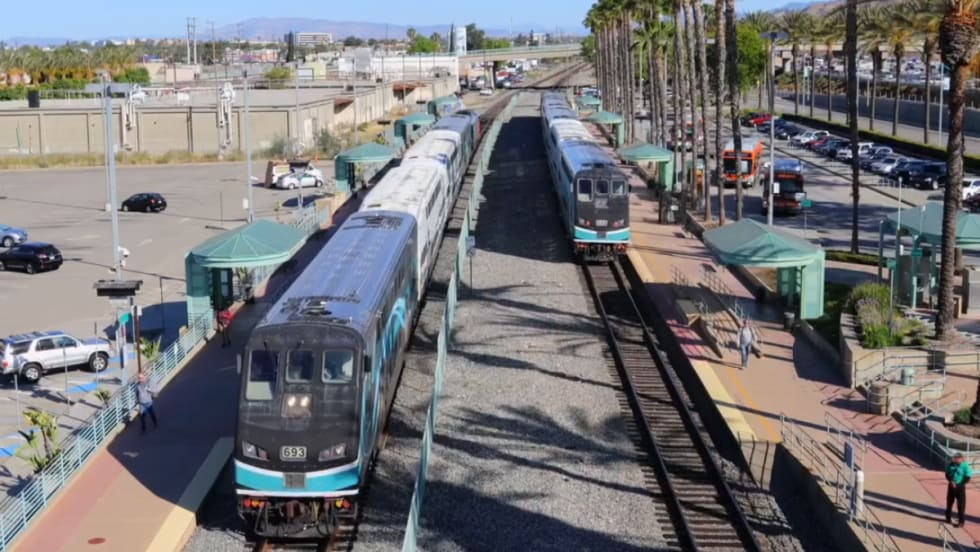
Southern California’s Metrolink Approves $508.8M Budget, Avoids Service Cuts
A $20 million state allocation allows the regional rail agency to maintain existing weekday and weekend service through fiscal year 2028, although longer-term funding challenges remain.
Read More →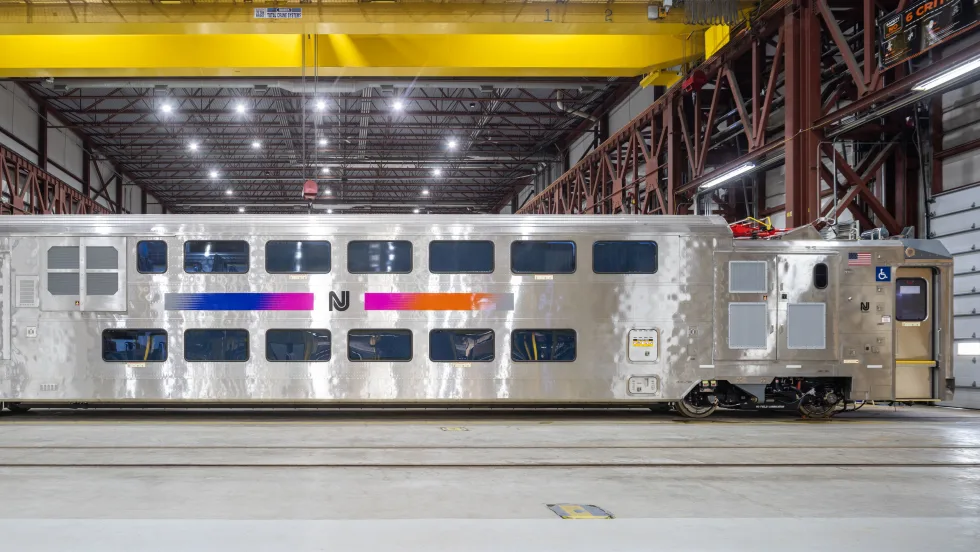
NJ TRANSIT Approves $65.6M for Hudson-Bergen Light Rail Improvements
The funding marks the first phase of a planned $250 million investment over five years to modernize stations, overhaul vehicles, and improve system reliability and passenger safety.
Read More →
STraffic Expands North American Presence with Fare Collection Technology
John Moon, Associate Director, Product Strategy at STraffic, discusses the company's growth in North America, its efforts to reduce fare evasion, and more.
Read More →
Study: Denver RTD Generates $2.1 Billion in Annual Economic Activity
An economic impact study finds the agency supports approximately 17,500 jobs, delivers $1.6 billion in annual community and mobility benefits, and generates $2.42 in economic value for every dollar invested.
Read More →
Mark Aesch Nominated to Lead Federal Transit Administration
The former Rochester transit chief and TransPro founder, who has also contributed to METRO Magazine, brings decades of industry experience and a focus on performance, accountability, and financial sustainability to the nomination.
Read More →
Transit Expands Agency Partnerships, Reaching 200 Official App Partners
COO Jake Sion discusses Transit’s growth, the success of its Transit Royale program, and how technology is helping agencies improve the rider experience.
Read More →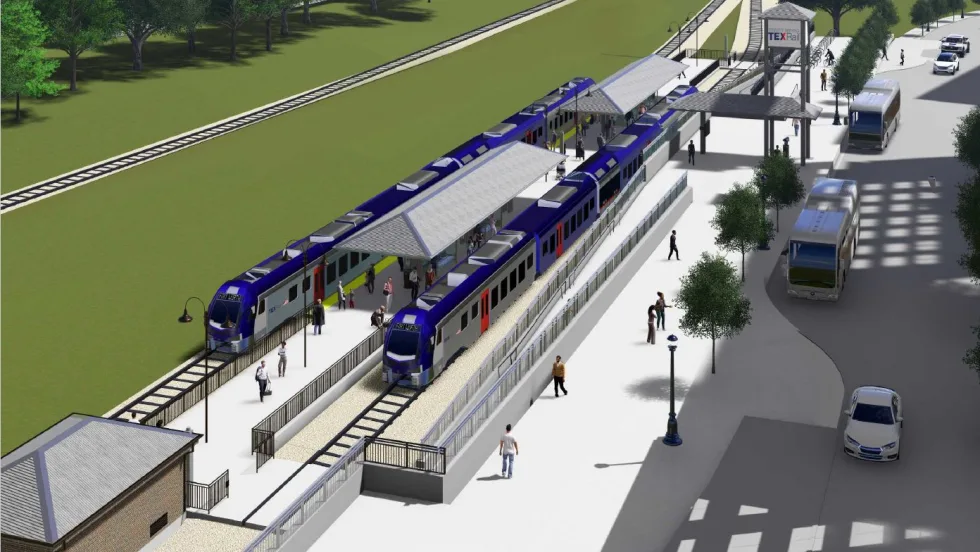
Trinity Metro Breaks Ground on $270M TEXRail Extension
The 2.1-mile extension will connect Fort Worth’s Medical District and Near Southside to downtown, surrounding communities, and Dallas-Fort Worth International Airport.
Read More →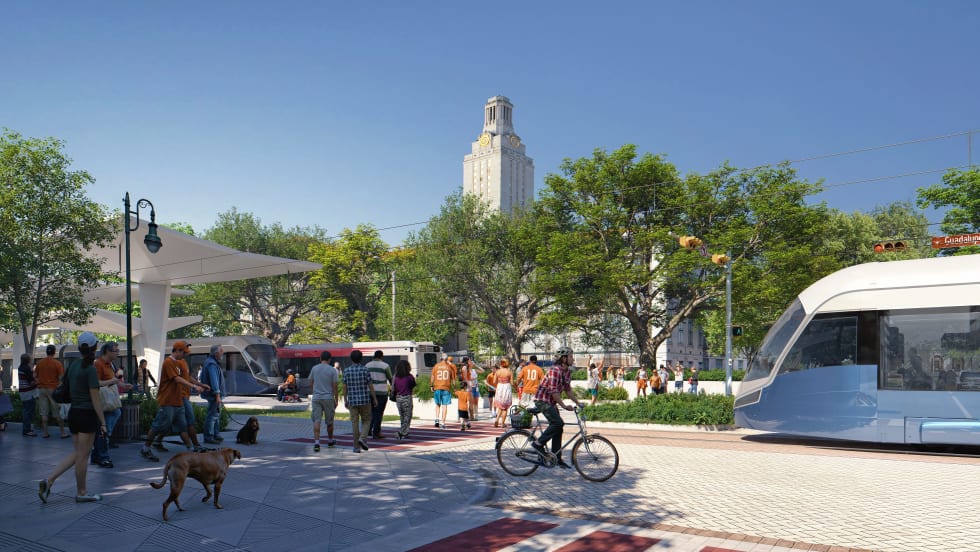
Bringing Austin’s First Light Rail System to Life
Austin Transit Partnership CEO Greg Canally discusses the city's nearly 10-mile light rail project, its collaborative approach to project delivery, the importance of community engagement, and the milestones ahead as construction approaches in 2027.
Read More →
Metra Draft Plan Outlines Costs, Service Improvements for Regional Rail
The Systemwide Network Plan identifies infrastructure needs and potential investments to expand all-day, bidirectional rail service across the Chicago region.
Read More →
Amtrak Completes First Street Tunnel Upgrades, Restores Service
The nine-day construction project included replacing aging track infrastructure and modernizing switch systems near Washington Union Station.
Read More →