



California's OCTA Proposes 2026-27 Balanced Budget to Advance Transportation
The proposed budget, totaling approximately $2 billion, advances key transportation initiatives while ensuring all services, programs, and projects can be delivered to residents not only next year but well into the future.

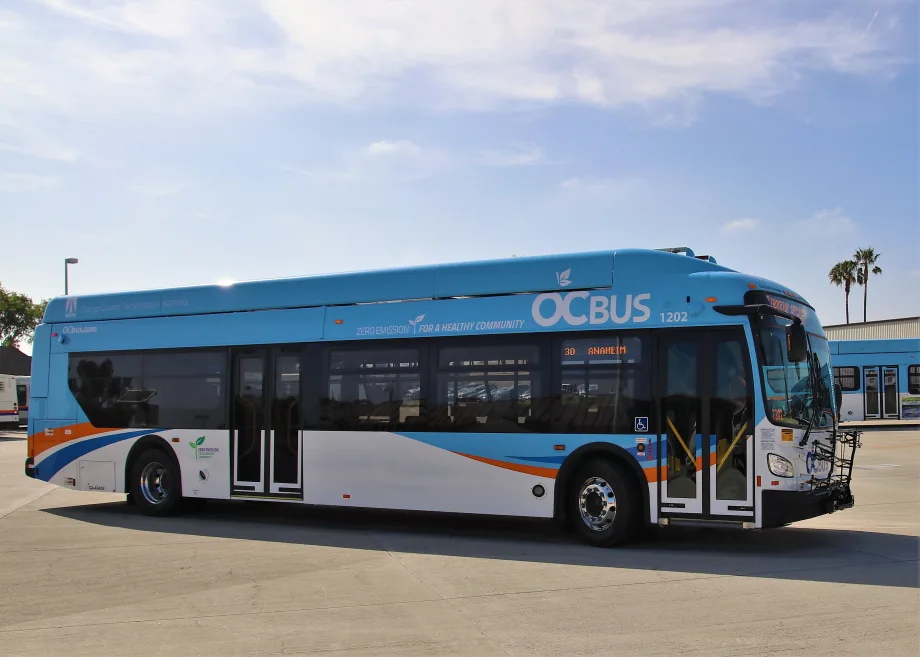
The annual budget continues to emphasize advancing transit initiatives, with more than half of the budget —approximately 52% — dedicated to transit such as OC Bus and OC Streetcar, regional rail, and Measure M transit services.
Credit: OCTA
- California's OCTA has proposed a balanced budget of approximately $2 billion for the 2026-27 fiscal year.
- The budget allocates resources to advance key transportation initiatives in the state.
- The proposal ensures the delivery of all services, programs, and projects to residents for the foreseeable future.
*Summarized by AI
The board at California’s Orange County Transportation Authority (OCTA) received its first comprehensive look at the agency’s proposed fiscal year 2026-27 budget during a public workshop, reviewing a proposed balanced budget that reflects the agency’s continued commitment to maintaining a safe, reliable, and balanced transportation network for Orange County.
The proposed budget, totaling approximately $2 billion, advances key transportation initiatives while ensuring all services, programs, and projects can be delivered to residents not only next year but well into the future.
A Closer Look
The board is expected to consider adoption of the final budget at a June 8 public hearing, which will provide community members with an opportunity to share input before final board consideration and a vote to adopt the budget.
The annual budget continues to emphasize advancing transit initiatives, with more than half of the budget —approximately 52% — dedicated to transit such as OC Bus and OC Streetcar, regional rail, and Measure M transit services.
Key budget themes include:
- A balanced budget with no unplanned use of reserves.
- Growing sales tax revenues to support core programs.
- Delivering Measure M as promised.
- Maintaining safe, reliable OC Bus service for riders.
- Aligning Metrolink service with demand to ensure long-term viability.
- Continuing to meet express lanes commitments.
- Prioritizing coastal rail resiliency and reliability.
- A History of Prudent Planning.
How OCTA Got Here
The proposed budget reflects decades of fiscally sound leadership, with a focus on aligning expenditures with available revenues, maintaining healthy reserves, and ensuring that investments are consistent with voter-approved Measure M funding, the local half-cent sales tax to fund transportation, said OCTA.
That approach has proven especially critical during times of economic uncertainty: During the COVID-19 pandemic, OCTA temporarily reduced bus service to reflect lower ridership demand and made the difficult decision to forgo staff raises. Those actions allowed the agency to preserve essential services for those who depend on public transit while safeguarding long-term financial health.
OCTA’s disciplined approach also recognizes that key revenue sources, including sales tax measures such as Measure M, can fluctuate over time, the agency said.
By carefully planning and avoiding overcommitment during strong economic periods, the agency is better positioned to navigate future uncertainties.
Building Long-term Sustainability with Metrolink
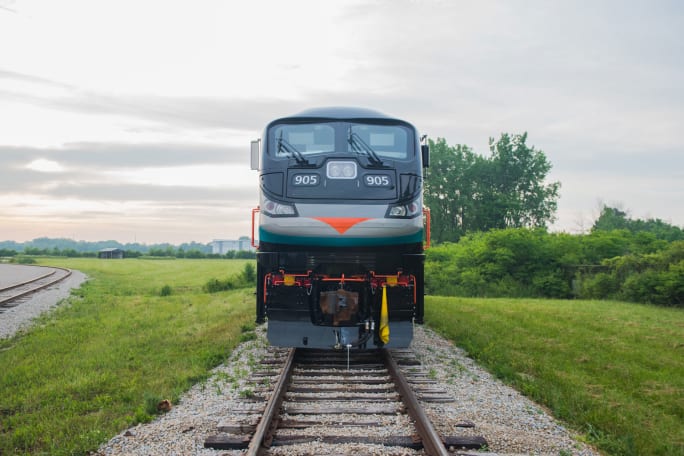
Metrolink continues to face structural funding challenges driven by struggling post-pandemic ridership and rising operating costs.
Photo: Metrolink
OCTA continues to work collaboratively with regional partners to address broader transportation challenges, including the long-term sustainability of Metrolink regional rail service.
Agency officials said the agency has long been a committed partner in supporting Metrolink, which plays a vital role in connecting Orange County to the greater Southern California region. The agency said it remains dedicated to ensuring the continued success of regional rail service.
At the same time, OCTA is applying the same measured, responsible approach to discussions about Metrolink’s financial future, emphasizing the importance of aligning service levels with ridership and available funding to ensure long-term sustainability.
Metrolink continues to face structural funding challenges driven by struggling post-pandemic ridership and rising operating costs.
As part of the proposed fiscal year 2026-27 budget, OCTA plans to contribute its share of funding to support continued rail operations while working with Metrolink to identify long-term solutions that ensure the system remains financially sustainable.
Quick Answers
The proposed budget by California's OCTA for the 2026-27 fiscal year is approximately $2 billion.
*Summarized by AI
More Management
7 Ways to Build a Better Transit Internship
Lessons from DRPA/PATCO’s approach to creating a meaningful internship experience—and developing the next generation of transportation professionals.
Read More →
Scenes from APTA TRANSform & EXPO 2026
Transit leaders, manufacturers, and industry professionals gathered in Chicago to explore new technologies, share ideas, and discuss the future of public transportation.
Read More →
Building Stronger Leaders, More Resilient Transit Teams
Dr. Carol Parker Walsh discusses leadership development, employee retention, workplace culture, and preparing transit’s workforce for AI and automation.
Read More →
APTA 2026 TRANSform & EXPO Kicks Off in Chicago
After 45 years, APTA returns to Chicago with a focus on next-generation fleets, AI, connected transit networks, and the funding strategies shaping public transportation’s future.
Read More →
New York MTA Warns Federal Tariffs Could Add $1 Billion to Rolling Stock Costs
The agency said tariffs on specialized imported components could reduce the purchasing power of its $23 billion investment in new subway cars, railcars, and buses.
Read More →
From the Show Floor: What Happened at APTA TRANSform & EXPO 2026
See the latest product launches, partnerships, technology updates, and transit industry announcements from APTA TRANSform & EXPO in Chicago.
Read More →
How Valley Metro Is Balancing Transit Growth With the Rider Experience
The APTA award-winning agency is pairing rapid system expansion with investments in workforce, safety, technology, and the fundamentals of transit service.
Read More →
Bus Tech Talk: Keeping Transit Technicians Ahead of the Technology Curve
In this episode of Bus Tech Talk, Complete Coach Works’ Business Development Manager Mark Hollenbeck and METRO’s Executive Editor Alex Roman sit down with Obed Mejia, Senior Technical Trainer for Bus Maintenance, at LA Metro to discuss how rapidly evolving bus technology is changing the maintenance shop — and the skills technicians need to keep pace.
Read More →
Michael Schneider Joins Paslay Group to Expand Transportation Practice
The longtime transportation executive will help Paslay Group grow its advisory and program management work across transit, highway, and other infrastructure sectors.
Read More →
People Movement: Connectpoint Expands Leadership Team, Stadler Names New Group CEO, and More
In this edition, we also spotlight recent personnel moves at Burns, UZURV, and more, highlighting the people taking on new roles across the transportation industry.
Read More →