




Miss This? How a Family-Run Company Built One of Atlantic Canada’s Most Trusted Transportation Providers
REM West Island Extension Opens, Expanding Montreal Automated Rail Network
The expansion adds four stations and extends Montreal’s automated REM network deeper into the region with a new all-electric transit service.
May 21, 2026

Charles Émond, president and chief executive officer of La Caisse, a major Canadian global investment group, at the inauguration of the REM in the West Island at Fairview–Pointe-Claire station on May 15.
Credit:
Réseau express métropolitain
2 min to read
- The REM West Island Extension has opened, expanding the Montreal automated rail network.
- The expansion includes four new stations, increasing accessibility within the region.
- The new service is fully electric, contributing to sustainable transportation.
*Summarized by AI
The Réseau express métropolitain (REM) officially opened its West Island extension on May 18, adding four stations and 14 kilometers of new track to Montreal’s growing automated transit network.
The new Anse-à-l'Orme branch extends service to Montreal’s West Island for the first time, providing what project officials described as a “structured public transit system” with frequent and reliable service.
The expansion brings the REM network to 64 kilometers and 23 stations, connecting Sainte-Anne-de-Bellevue to downtown Montreal through a fully electric automated rail system operating 20 hours a day. Trains run every four minutes on the central segment during peak periods.
CDPQ Infra marked the opening with an inauguration event at Fairview–Pointe-Claire station attended by more than 150 guests, including elected officials and project partners. Speakers included Charles Emond, president and CEO of La Caisse, Daniel Farina, president and CEO of CDPQ Infra, and Benoit Charette, Quebec’s minister of transport and sustainable mobility.
During public open house events May 16-17, the REM recorded 170,000 passenger trips across the network, including heavy traffic tied to a Montreal Canadiens playoff game at the Bell Centre.
Alstom, which supplied the REM’s driverless light metro system, also highlighted the opening as a major milestone for one of the world’s largest automated transit systems.
“We are extremely proud to contribute to the opening of this new branch, which significantly improves daily mobility for residents across the metropolitan region,” said Michael Keroullé, president of Alstom Americas. “This project demonstrates our ability to deliver complex, large-scale turnkey transportation systems equipped with the best available technologies.”
Alstom supplied 212 driverless Metropolis railcars, Urbalis signaling technology with Grade of Automation 4 (GoA4), platform screen doors, onboard Wi-Fi, and cybersecurity systems. The company has been participating in the network's operation and maintenance for 30 years through its joint venture, Pulsar.
The REM maintenance program uses Alstom’s HealthHub predictive maintenance platform, which monitors trains and infrastructure in real time using artificial intelligence-driven analytics.
Once fully completed, the REM system will include 67 kilometers of track and 26 stations connecting downtown Montreal with the South Shore, North Shore, West Island, and Montreal-Trudeau International Airport.
More Rail
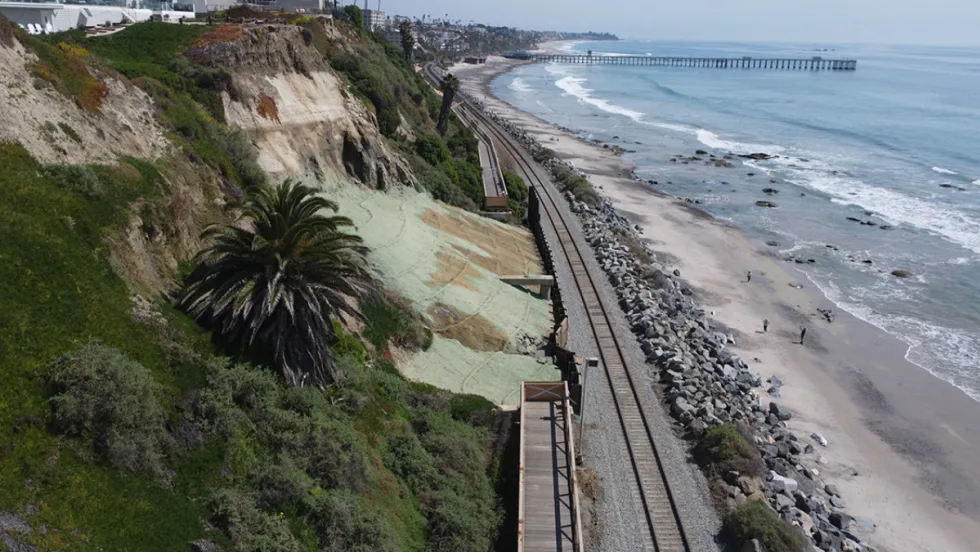
OCTA Declares Emergency to Protect Rail Corridor From Coastal Erosion
The California agency is accelerating shoreline protection and plans to place approximately 690,000 cubic yards of sand along the San Clemente coast to protect a key passenger and freight rail link.
Read More →
More Than a Summer Job: Building the Next Generation of Transit Talent
The Delaware River Port Authority and PATCO have transformed their internship program into a hands-on professional development experience that introduces students to the breadth of transportation careers — and creates a pipeline for future employees.
Read More →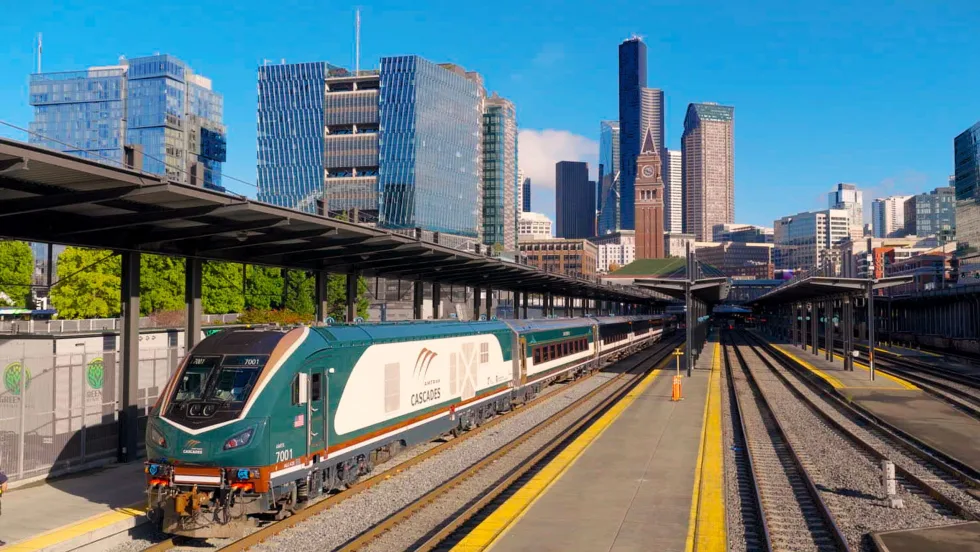
Airo Trains Make Their Amtrak Cascades Debut in the Pacific Northwest
Effective immediately, two cutting-edge Airo trainsets will join the Amtrak Cascades route, operating four daily trips between Vancouver, B.C., Seattle, Portland, and Eugene, Oregon, marking the first introduction of Airo trains into passenger service anywhere in the country.
Read More →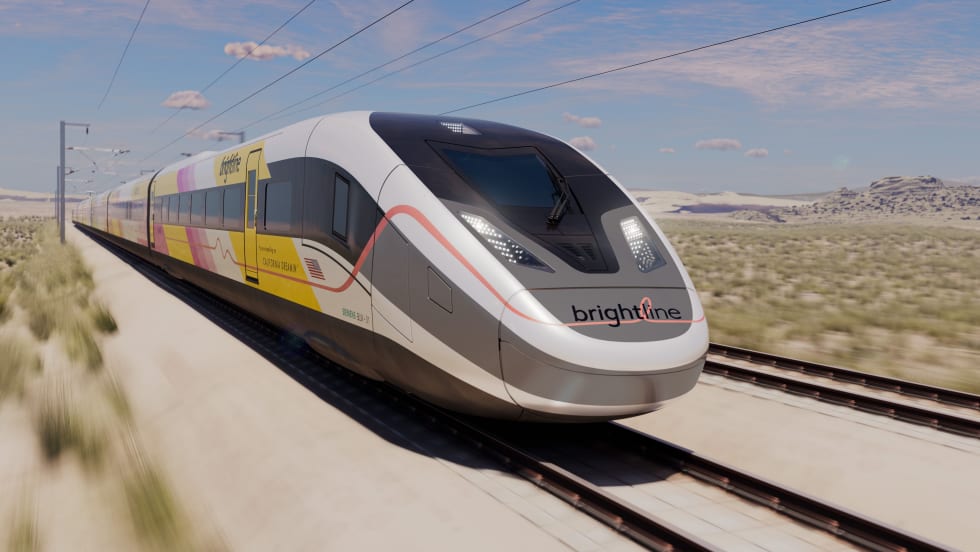
Florida's Brightline Announces Financial Restructuring
Brightline Florida says train operations will continue as normal as certain parent entities enter Chapter 11 and financial stakeholders provide $490 million in new long-term capital.
Read More →
ENC Lands MATA Contract and More in Biz Briefs
In this edition of Biz Briefs, we spotlight the latest developments shaping the future of mobility.
Read More →
Strada360’s Steve Lassey on Turning Transit Data Into Better Decisions
From breaking down data silos to preparing for AI, Strada360 CEO Steve Lassey discusses how transit agencies can use technology to improve operations, customer information, and long-term decision-making.
Read More →
SEPTA Details Accelerate Vision for Transit System
The plan outlines investments in trolley modernization, new Metro and Regional Rail vehicles, accessible stations, and more frequent bus and rail service.
Read More →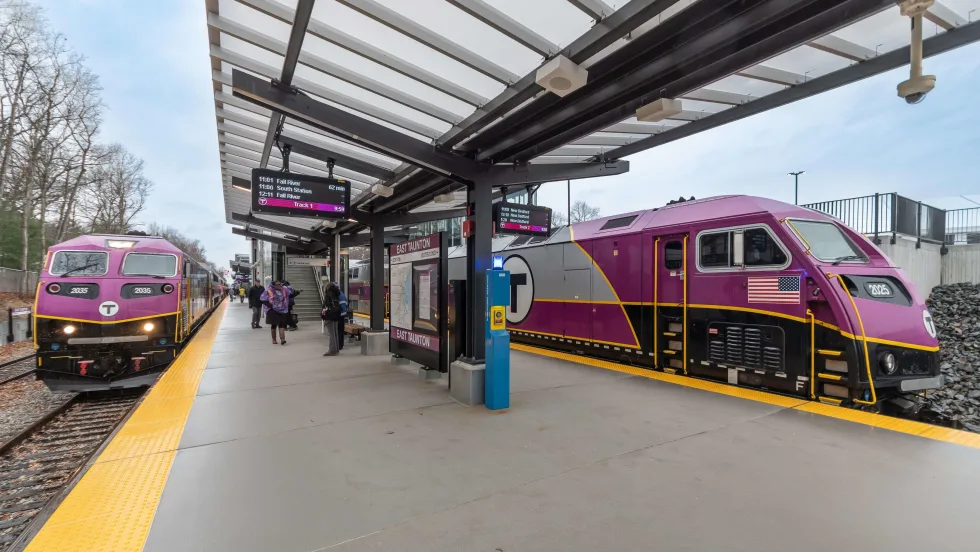
FTA Ends Direct Oversight of MBTA Safety Actions
The federal agency closed its remaining special directive to the Massachusetts Department of Public Utilities following a safety review that began in 2022.
Read More →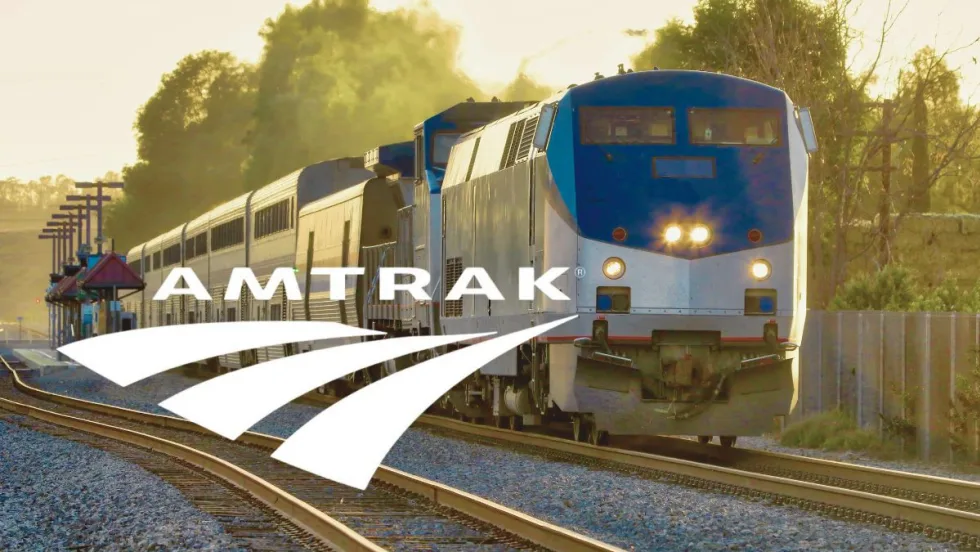
Amtrak, CN Reach Agreements to Strengthen Passenger Rail Service, Safety
The agreement resolves a more than decade-long proceeding before the Surface Transportation Board concerning the terms and conditions for Amtrak services, such as the City of New Orleans, Illini/Saluki, and Wolverine.
Read More →
New York MTA Advances Final Contract for Second Avenue Subway Expansion
Contract Four is the largest in the Second Avenue Subway Phase 2 project and includes construction of station infrastructure, tracks, and signals for the subway expansion, MTA officials said. Work on Contract Four will begin in 2027.
Read More →