



Watch: The Future of Transit Safety with AXIS Communications’ Anthony Incorvati
Major Rail Projects Don’t Have to Mean Major Security Gaps
Crowded platforms. Temporary routes. New risks. Discover why video tech is critical during rail upgrades.
by Anthony Incorvati, Axis Communications
May 22, 2026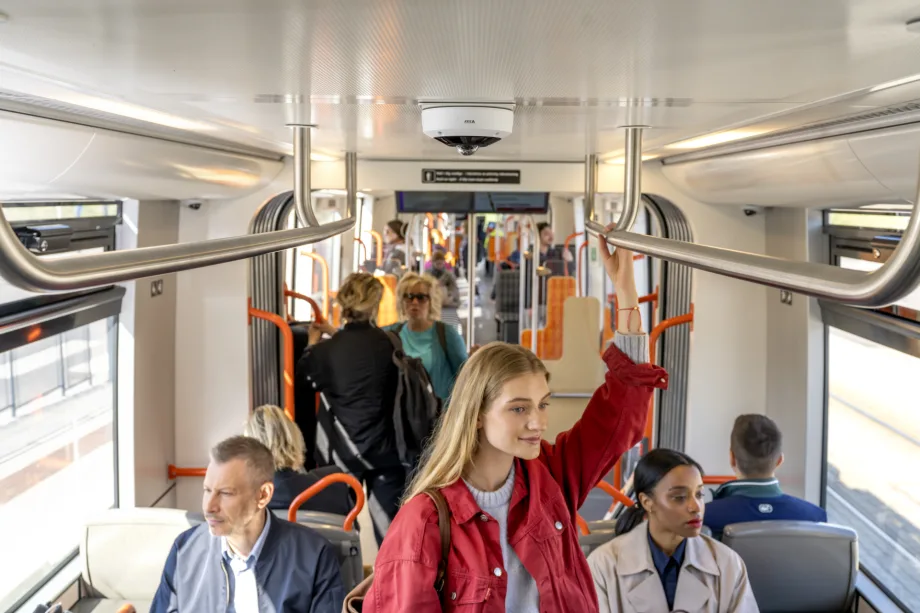
The most forward-thinking transit agencies have stopped treating video surveillance as a static security asset and started treating it as a dynamic project delivery tool.
Credit:
Axis Communications
6 min to read
- Rail upgrades can lead to crowded platforms and temporary routes, increasing security concerns.
- Video technology plays a crucial role in managing and mitigating new risks during rail construction projects.
- Implementing video tech enhances surveillance capabilities, ensuring passenger safety and efficient operation.
*Summarized by AI
When NJ Transit recently urged commuters to work from home for up to a month during major railroad upgrades, it put a spotlight on a challenge that transit agencies across the country face on a recurring basis: how do you keep a system safe, operational, and a trusted resource while taking on major infrastructure projects during normal operations?
Station reconstructions, signal overhauls, tunnel rehabilitations, and fleet rollouts are among the most complex undertakings in public infrastructure, and they all share one unavoidable reality. Much of this work is done while the trains are still running and passengers are still boarding.
This is precisely when video technology — both existing infrastructure and strategically deployed supplemental systems — can play, perhaps, its most powerful role, extending well beyond traditional security functions to support the full lifecycle of a capital project.
Security Risk Considerations
When transit agencies prepare for major infrastructure work, security strategies can sometimes receive less advance planning than operational planning, such as service alternatives, bus bridges, and passenger communications. That gap is where the risks tend to accumulate.
Capital projects fundamentally alter the physical and operational environment of transit systems. Barriers come down, cable pathways get exposed, temporary power routing creates new vulnerabilities, and access points that were secure one week may be wide open the next to allow contractor ingress. Existing camera infrastructure designed for normal operations can develop significant blind spots almost overnight.
Passenger behavior compounds these challenges. Reduced train frequency leads to platform overcrowding at unexpected times, while temporary walkways and detour routes push passengers into areas with little or no surveillance coverage. Frustrations run high, and incidents that rarely surface under normal conditions, such as altercations, fare evasion spikes, and slip-and-fall events, become more common. Security teams are asked to manage additional complexity without additional resources.
Video as a Project Delivery Tool
The most forward-thinking transit agencies have stopped treating video surveillance as a static security asset and started treating it as a dynamic project delivery tool, one that serves construction safety, contractor accountability, and operational continuity.
In active rail environments where live track, energized infrastructure, and contractor crews coexist with passenger operations, the margin for error is razor-thin. Camera systems can:
- Monitor contractor compliance with safety procedures
- Flag unauthorized access to restricted areas
- Verify proper use of protective equipment
- Document hazardous conditions near live infrastructure
This coverage does more than prevent incidents in real time; it creates a timestamped, evidentiary record that is invaluable when injuries, disputes, or insurance claims arise.
Supplemental camera deployments, including mobile units and video trailers, allow agencies to extend coverage. Temporary entrances and exits, bus-to-rail transfer points, and detour routes often emerge during a project. These systems can monitor crowd density, ADA compliance, passenger flow conflicts, and slip-and-trip hazards in areas unserved by fixed infrastructure. Agencies that plan for this coverage from the start are in a far stronger position than those that scramble to respond after an incident.
Video systems also provide a critical layer of contractor oversight and quality assurance. They can monitor work progress against schedule, verify compliance with staging plans, confirm proper installation sequencing, and track equipment delivery.
In large projects with many contractors and tight coordination, a clear, time-stamped visual record of project activity can eliminate disputes and reduce administration costs.
Data-Driven Decisions for Disrupted Operations
Beyond the construction site itself, video technology’s most powerful contribution during a major infrastructure project may be its role in real-time operational decision-making. Transit agencies that pair camera infrastructure with AI-enabled analytics gain visibility into passenger behavior that was simply unavailable to previous generations of operators.
Passenger flow analytics allow agencies to monitor congestion patterns, queue formation, and dwell-time impacts as conditions develop, not just in after-the-fact reviews. When a platform is overcrowded ahead of an arriving train, the system can generate an alert before conditions become dangerous. When a temporary transfer point is developing a queue that will spill into a pedestrian thoroughfare, operations staff can be notified and resources redeployed before the situation escalates.
Fare evasion also tends to spike during disruptions, when station configurations change, and staffing is stretched thin. Video analytics monitoring fare gates and controlled access points can help agencies identify high-risk times and locations and deploy enforcement resources more strategically. Queue management analytics, an approach airports have refined extensively, can optimize passenger flow through ticketing, boarding, and transfer zones, even when the normal station layout has been temporarily reconfigured.
Communication as a Security Strategy
Informed passengers are less likely to panic, crowd, or take unsafe shortcuts. For transit security teams, that makes clear and consistent communication an essential security tool.
During major infrastructure projects, the communication strategy needs to be integrated with the security and operations plan from the outset.
Digital signage connected to live operational data can push real-time updates on service changes, platform closures, and expected wait times, drawing on the same video analytics and dashboards that security and operations staff monitor. When a platform nears capacity, signage can redirect passengers to other platforms. When a delay is confirmed, information displays can update in seconds rather than minutes.
From an incident response perspective, an integrated video and communications infrastructure shortens the loop between detection and action.
When analytics flag an unusual event, the ability to immediately alert nearby staff, trigger audio deterrents, or coordinate through a centralized operations center is what converts awareness into effective response. Rail Operations Control Centers and Security Operations Centers with unified video access across a disrupted service area are simply better equipped to manage these moments.
Building a Foundation for What Comes Next
There is one more dimension of video technology’s role in capital projects that deserves attention: its long-term value after the project concludes. Video systems deployed for construction projects don’t have to be temporary. The documentation generated, meaning construction timelines, safety compliance records, and operational continuity evidence, becomes an asset for future projects, insurance claims, and regulatory review.
Video captured during construction and commissioning phases can also support system testing, operational readiness demonstrations, safety certification documentation, and training for new staff. The investment in surveillance during a project becomes a foundation for the next phase of operations.
As NJ Transit and other transportation agencies face the challenging months ahead, the real opportunity is to treat video not as a reactive tool used after problems emerge, but as a proactive platform that supports every dimension of a complex project. Agencies that get this right emerge from major infrastructure transitions better equipped for the ones that follow.

Source:
Axis Communications
About the Author: Anthony Incorvati has 25 years of experience in the transportation industry and, during that time, has seen the increasing influence that technology has had in transforming the ways that road, rail, air, and sea transport are managed, monitored, and monetized. In common with anyone who ever has reason to use it, Incorvati’s primary aim is to help deliver solutions for safe, secure, clean, efficient, and cost-effective transportation modes.
This article was authored and edited according to METRO's editorial standards and style. Opinions expressed do not necessarily reflect that of METRO or Bobit Business Media.
Subscribe to Our Newsletter
More Rail
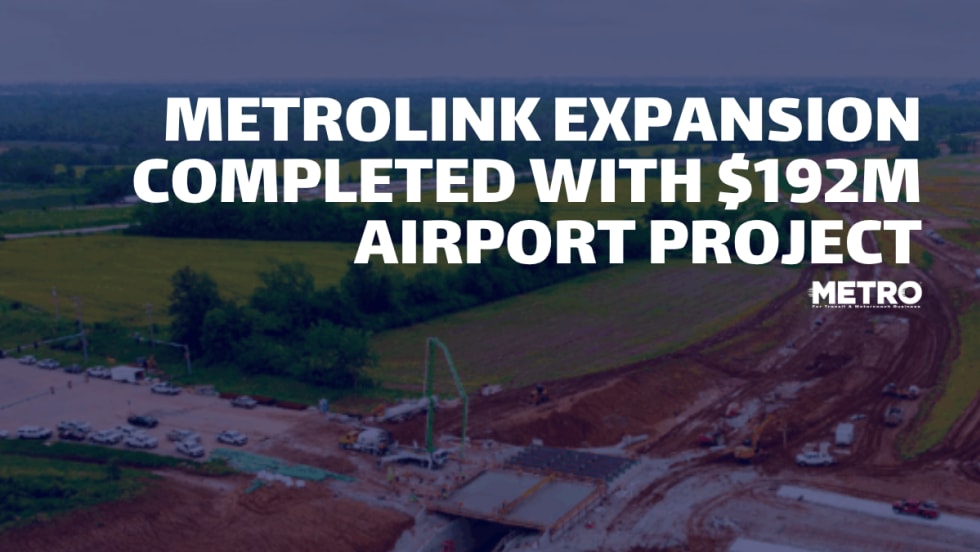
First Full MetroLink Rail Expansion Completed in 20 Years with $192M Airport Project
The project links two St. Louis-area airports by light rail while adding roadway and bike trail connections to improve regional access and mobility.
Read More →
Utilimarc Launches SmartReplace to Optimize Fleet Replacement Decisions
AI-powered SmartReplace helps fleets prioritize vehicle replacements, model budget scenarios, and build more defensible long-term strategies.
Read More →
Scenes from APTA TRANSform & EXPO 2026
Transit leaders, manufacturers, and industry professionals gathered in Chicago to explore new technologies, share ideas, and discuss the future of public transportation.
Read More →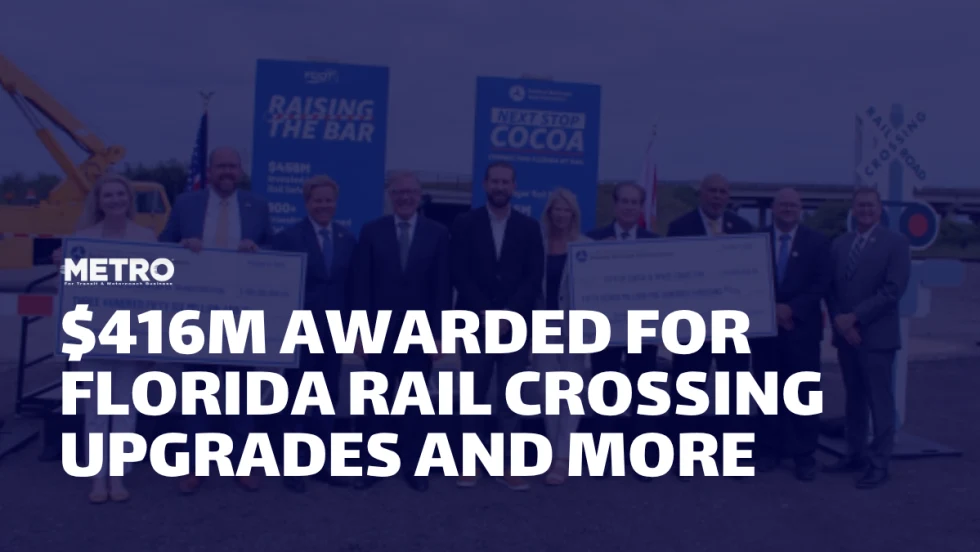
USDOT Awards $416 Million for Florida Rail Crossing Safety Upgrades, New Brightline Station
The projects aim to reduce risks for motorists and pedestrians at rail crossings while expanding passenger rail access along Florida’s Space Coast.
Read More →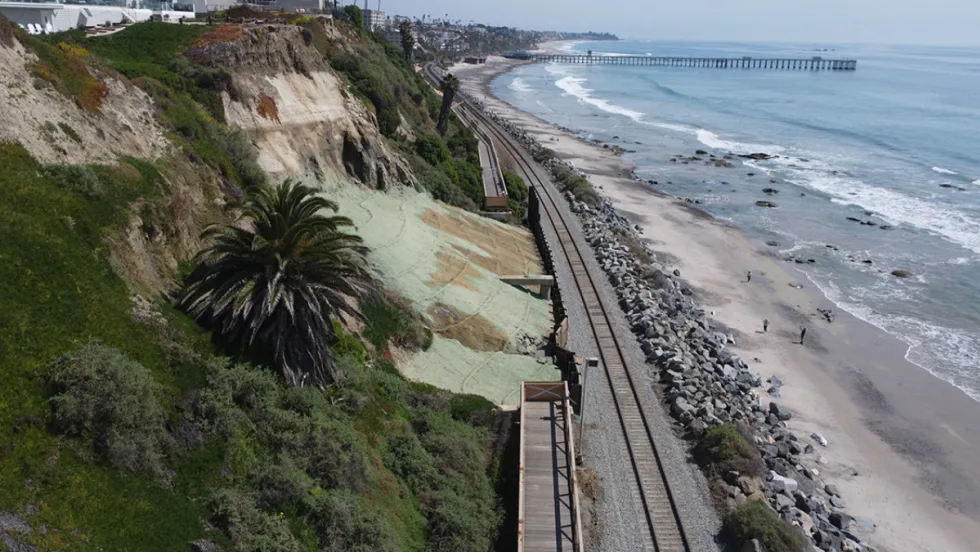
OCTA Declares Emergency to Protect Rail Corridor From Coastal Erosion
The California agency is accelerating shoreline protection and plans to place approximately 690,000 cubic yards of sand along the San Clemente coast to protect a key passenger and freight rail link.
Read More →
More Than a Summer Job: Building the Next Generation of Transit Talent
The Delaware River Port Authority and PATCO have transformed their internship program into a hands-on professional development experience that introduces students to the breadth of transportation careers — and creates a pipeline for future employees.
Read More →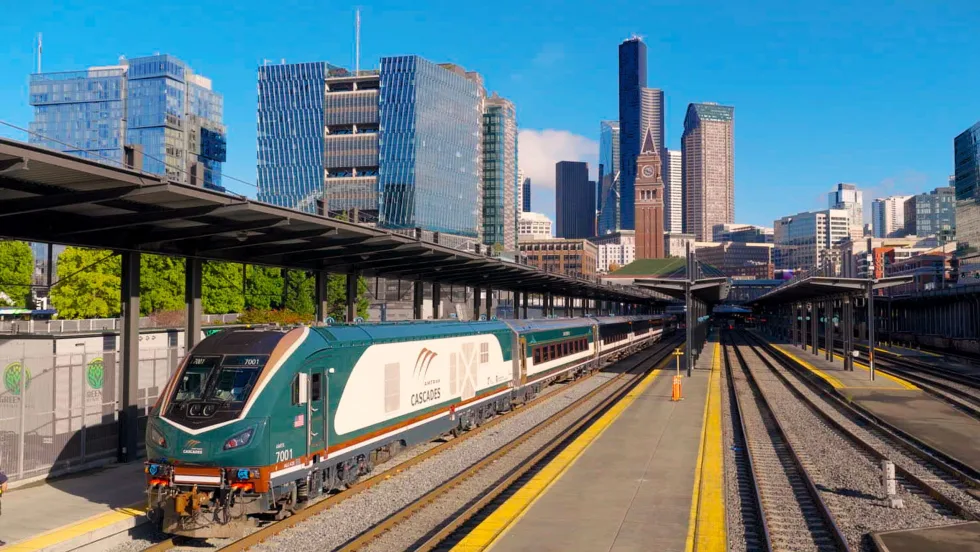
Airo Trains Make Their Amtrak Cascades Debut in the Pacific Northwest
Effective immediately, two cutting-edge Airo trainsets will join the Amtrak Cascades route, operating four daily trips between Vancouver, B.C., Seattle, Portland, and Eugene, Oregon, marking the first introduction of Airo trains into passenger service anywhere in the country.
Read More →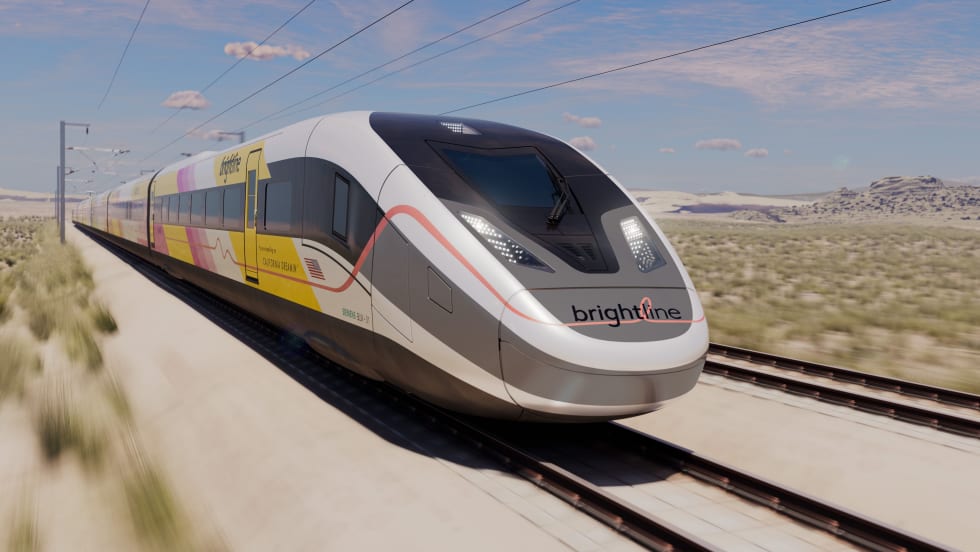
Florida's Brightline Announces Financial Restructuring
Brightline Florida says train operations will continue as normal as certain parent entities enter Chapter 11 and financial stakeholders provide $490 million in new long-term capital.
Read More →
ENC Lands MATA Contract and More in Biz Briefs
In this edition of Biz Briefs, we spotlight the latest developments shaping the future of mobility.
Read More →
Strada360’s Steve Lassey on Turning Transit Data Into Better Decisions
From breaking down data silos to preparing for AI, Strada360 CEO Steve Lassey discusses how transit agencies can use technology to improve operations, customer information, and long-term decision-making.
Read More →