



New York MTA Issues RFP for 252 Metro-North Passenger Cars
The competitive RFP includes an option to purchase an additional 377 cars, reserved for future expansions of the Metro-North service area.

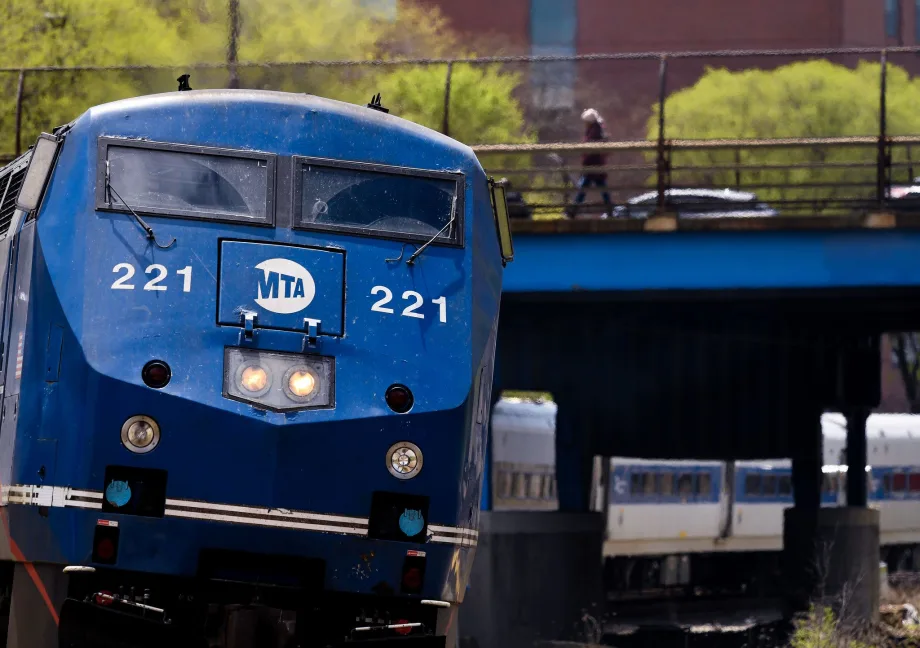
The base order would replace coaches from the 1980s and 1990s that run on the Hudson and Harlem lines and represent 23% of Metro-North’s active passenger fleet.
Marc A. Hermann
- The New York MTA has issued a Request for Proposal (RFP) for 252 new Metro-North passenger cars.
- The RFP is competitive and includes a provision to purchase an additional 377 cars.
- The additional cars are intended for future expansions of the Metro-North service area.
*Summarized by AI
New York’s Metropolitan Transportation Authority (MTA) is seeking proposals from railcar manufacturers to build 252 new single-level passenger coaches for the Metro-North Railroad.
The competitive Request for Proposal (RFP) includes an option to purchase an additional 377 cars, reserved for future expansions of the Metro-North service area.
New Metro-North Railcars
The base order would replace coaches from the 1980s and 1990s that run on the Hudson and Harlem lines and represent 23% of Metro-North’s active passenger fleet. This is the MTA’s first new Metro-North rolling stock coach purchase in decades.
“It’s time to upgrade the Metro-North passenger experience, with more modern, more reliable railcars,” said MTA Chair/CEO Janno Lieber. “And this RFP is designed to get manufacturers and suppliers to think outside the box so they can deliver faster, better, and cheaper than in the past.”
The new passenger railcars are being funded by the MTA’s 2025-29 Capital Plan, which received $68 billion in funding from Governor Hochul and the State Legislature in the FY26 Enacted State Budget.
The Capital Plan features a $12 billion investment in new rolling stock across the MTA system and includes $6 billion earmarked specifically for Metro-North to upgrade passenger railcars and infrastructure.
The MTA’s RFP
The RFP is part of the MTA’s new Rolling Stock Program, which directs the MTA’s rolling stock strategy and ensures dedicated attention to the acquisition and lifetime costs for the agency’s most strategic assets, including buses, subway cars, and commuter rail trains.
The contract gives manufacturers room to innovate within the parameters of accepted design practices while delivering the best value for riders' tax dollars. There are three types of cabs in this order: cab cars with toilets, cab cars without toilets, and trailer cars with toilets. Each seat can accommodate approximately 100 riders, according to the agency.
The RFP outlines technical specifications that are designed to enhance reliability, accessibility, service, security, performance, and the overall customer experience, said the MTA. This includes two ADA-designated wheelchair areas per train car, ADA-compliant toilet access, higher-quality announcement systems featuring an audio inductive loop for deaf people, high-resolution digital information screens, passenger Wi-Fi, device charging outlets, bike and luggage racks, and enhanced safety measures, including onboard security cameras.
The new cars are also compatible with Metro-North locomotives and are designed to operate throughout the current and future Metro-North service territory.
The new coaches will also improve reliability by achieving a higher mean distance between failures (MDBF) — a measure of how long a car can operate without issues, repairs, or maintenance.
Current cars have an average MDBF rate of 430,000 miles, compared to the new coaches, which will have an MDBF rate of 570,000 miles. This translates to a faster, smoother ride for more than 250,000 daily Metro-North customers.
Proposals will be accepted through October 2026. The contract will be awarded in early 2027, with new passenger cars anticipated to enter service in 2029.
Quick Answers
The RFP aims to procure 252 new passenger cars for the Metro-North service to enhance and expand its operations.
*Summarized by AI
More Rail
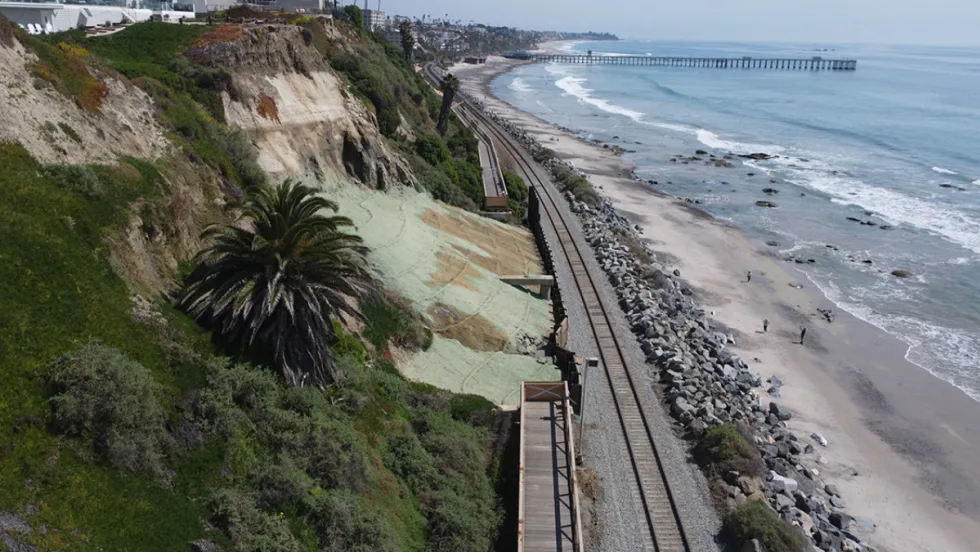
OCTA Declares Emergency to Protect Rail Corridor From Coastal Erosion
The California agency is accelerating shoreline protection and plans to place approximately 690,000 cubic yards of sand along the San Clemente coast to protect a key passenger and freight rail link.
Read More →
More Than a Summer Job: Building the Next Generation of Transit Talent
The Delaware River Port Authority and PATCO have transformed their internship program into a hands-on professional development experience that introduces students to the breadth of transportation careers — and creates a pipeline for future employees.
Read More →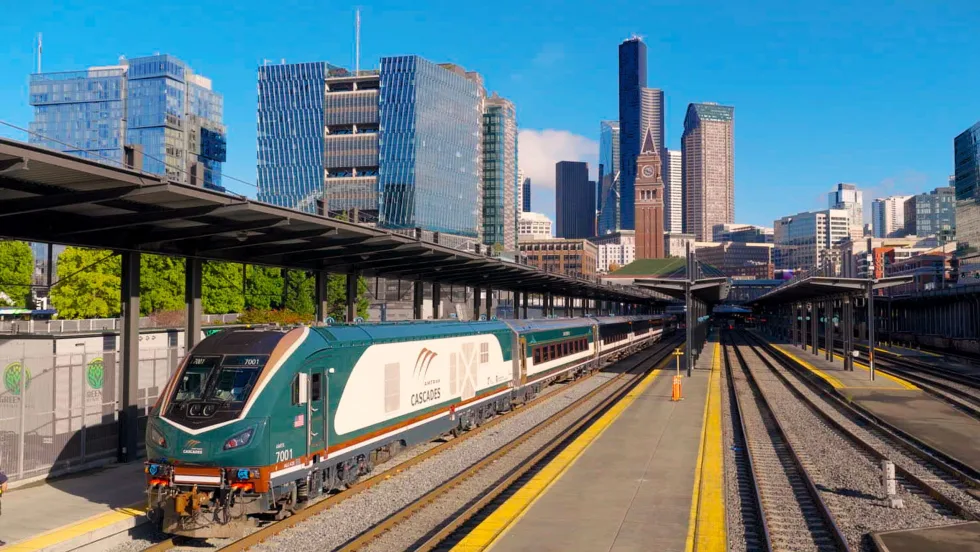
Airo Trains Make Their Amtrak Cascades Debut in the Pacific Northwest
Effective immediately, two cutting-edge Airo trainsets will join the Amtrak Cascades route, operating four daily trips between Vancouver, B.C., Seattle, Portland, and Eugene, Oregon, marking the first introduction of Airo trains into passenger service anywhere in the country.
Read More →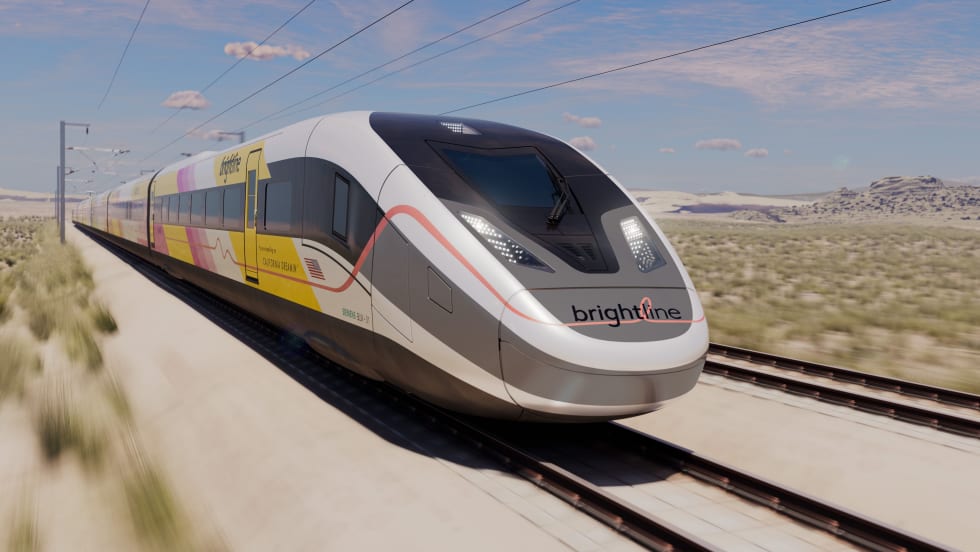
Florida's Brightline Announces Financial Restructuring
Brightline Florida says train operations will continue as normal as certain parent entities enter Chapter 11 and financial stakeholders provide $490 million in new long-term capital.
Read More →
ENC Lands MATA Contract and More in Biz Briefs
In this edition of Biz Briefs, we spotlight the latest developments shaping the future of mobility.
Read More →
Strada360’s Steve Lassey on Turning Transit Data Into Better Decisions
From breaking down data silos to preparing for AI, Strada360 CEO Steve Lassey discusses how transit agencies can use technology to improve operations, customer information, and long-term decision-making.
Read More →
SEPTA Details Accelerate Vision for Transit System
The plan outlines investments in trolley modernization, new Metro and Regional Rail vehicles, accessible stations, and more frequent bus and rail service.
Read More →
FTA Ends Direct Oversight of MBTA Safety Actions
The federal agency closed its remaining special directive to the Massachusetts Department of Public Utilities following a safety review that began in 2022.
Read More →
Amtrak, CN Reach Agreements to Strengthen Passenger Rail Service, Safety
The agreement resolves a more than decade-long proceeding before the Surface Transportation Board concerning the terms and conditions for Amtrak services, such as the City of New Orleans, Illini/Saluki, and Wolverine.
Read More →
New York MTA Advances Final Contract for Second Avenue Subway Expansion
Contract Four is the largest in the Second Avenue Subway Phase 2 project and includes construction of station infrastructure, tracks, and signals for the subway expansion, MTA officials said. Work on Contract Four will begin in 2027.
Read More →