




RELATED: Amtrak engineer in crash tested positive for marijuana, opioids
CUTA calls for random drug testing rules for transit after pot legalized
To date, Canada has declined to follow the lead of other countries, including the U.S., U.K., and Australia, which permit or require this practice.
October 17, 2018

On October 17, 2018, Canada legalized marijuana sales nationwide. Photo: Public Domain
2 min to read

On October 17, 2018, Canada legalized marijuana sales nationwide. Photo: Public Domain
As cannabis becomes legal for recreational consumption in Canada, the Canadian Urban Transit Association (CUTA) calls on the federal government to establish clear rules to permit transit systems to randomly test employees who work in safety-sensitive positions for substance impairment, where necessary. Random testing would serve as an additional tool for transit systems to reinforce safety in public transport and urban mobility across the country, according to the association.
CUTA, its members and other Canadian stakeholder organizations have raised awareness of the potential safety risks inherent to cannabis legalization with the federal government, and have advocated for federal rules to permit random testing. To date, Canada has declined to follow the lead of other countries, including the U.S., U.K., and Australia, which permit or require this practice in the interests of public safety.
CUTA provided evidence to the House of Commons Standing Committee on Justice1 in late September 2017, calling on the federal government to work with the provinces and territories to establish clear mechanisms to promote security in public transport post-legalization.
“Canada lags behind other jurisdictions on this important issue,” stressed Marco D’Angelo, President and CEO of CUTA. “We believe that the federal government should take a leadership role in establishing mechanisms to permit random drug and alcohol testing for safety critical industries such as transit. The government should work with the provinces and territories to facilitate regional solutions to protect public safety. Our members will closely monitor the impacts of cannabis legalization on operations and continue to work with employees to ensure a safe transition to this new regulatory reality.”

Some CUTA members have prepared for the cannabis legalization news by introducing their own policies to randomly check and/or test for cannabis consumption among all employees in safety-sensitive positions. The objective of random testing is to deter impairment in the workplace, and to identify those rare situations where an employee’s faculties and judgment are impaired, according to officials.
“There is no doubt that the vast majority of Canadian transit employees, including operators, mechanics, supervisors, engineers and managers, would never carry out their professional duties while under the influence of cannabis,” said Marco D’Angelo. “Though this situation would be the exception to the norm, our philosophy is that one incident is one too many. CUTA calls on governments to cooperate closely and establish rules that empower transit systems to continue to operate safe public transport in our communities.”
More Security and Safety

Transit Agencies Highlight Safety Gains at National Summit
Leaders from 15 major transit systems shared crime-reduction results and safety initiatives while discussing the role of continued federal support.
Read More →
DART Launches Major Security, Fare Enforcement Initiative
The 90-day demonstration will deploy coordinated security teams at five light rail stations while testing controlled access and gathering data to guide future investments.
Read More →
RTD Launches NextRide App to Consolidate Trip Planning, Fares, Security Reporting
The app expands on RTD’s existing NextRide web application and allows customers to view real-time vehicle locations and service alerts, purchase and store digital fares, and access customer support.
Read More →

TAPTCO Updates OSHA Compliance Training for Transit Maintenance Operations
The revamped program addresses 26 OSHA standards for maintenance facilities, with TAPTCO pointing to training, documentation, and everyday shop hazards as continuing challenges for transit operations.
Read More →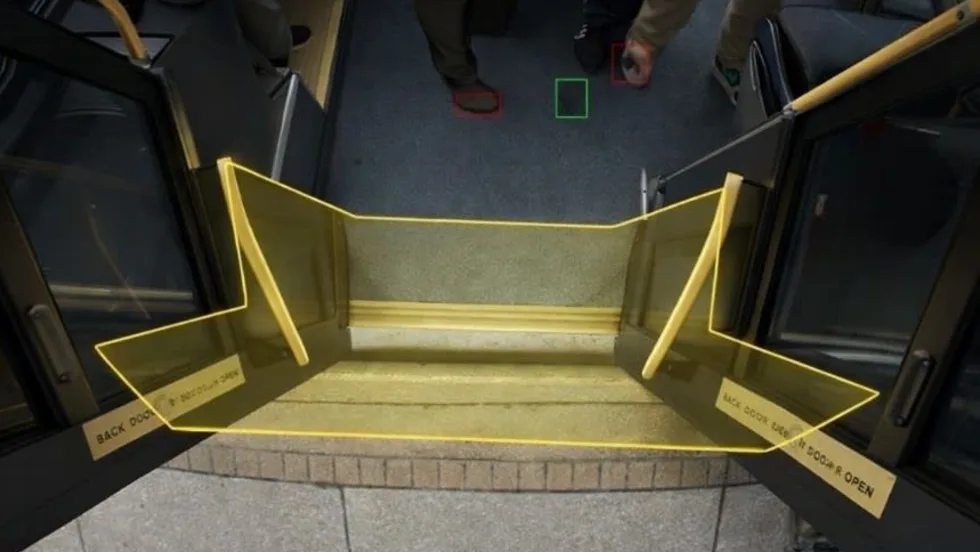
Sponsored•August 18, 2026
How VaporVision Adds Value to Transit Door Systems
Wabtec engineers explain how the system improves doorway detection, strengthens diagnostics and gives transit agencies and OEMs greater operating flexibility.
Read More →
FRA Announces $5.3B in Rail Investments, Including $2B for Amtrak
Funding will support grade-crossing improvements, infrastructure upgrades, and new Amtrak equipment in 23 states.
Read More →
Chicago, Maryland Expand Non-Law-Enforcement Safety, Rider Support
The CTA and MTA are launching new programs aimed at de-escalation, crisis response, rider assistance, and greater transparency.
Read More →
LA Metro, City of West Hollywood, and Partners Advance Smarter Bus Lane Enforcement
The award-winning partnership combines AI-powered detection with human oversight to improve bus reliability, accessibility, and enforcement efficiency.
Read More →
LA Metro Reports 57% Decline in Homelessness on Transit System Since 2024
The agency's latest homelessness count offers new data on how care-based services and cross-sector partnerships can complement traditional transit security strategies.
Read More →
FTA Launches 'Transit Moves America' Dashboard to Highlight Agency Safety and Performance
The online dashboard transforms National Transit Database information into a public-facing resource that allows users to compare transit agencies on key operational and safety metrics.
Read More →