



D.C. Metro announces new, fire liaison post at its Rail Control Center
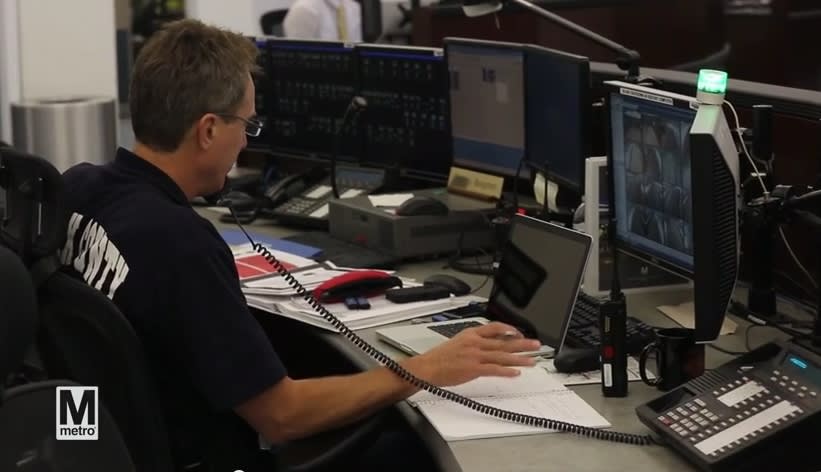
This addition will provide a uniformed fire officer in the “nerve center” of the Metrorail system 40 hours a week to help coordinate emergency communication between Metro and first responders.

Washington Metropolitan Area Transit Authority
Washington Metropolitan Area Transit Authority
The Washington Metropolitan Area Transit Authority (Metro) announced the addition of a full-time fire/rescue liaison in its Rail Operations Control Center. This addition will provide a uniformed fire officer in the “nerve center” of the Metrorail system 40 hours a week to help coordinate emergency communication between Metro and first responders.
"The new fire/rescue liaison at the Rail Operations Control Center gives first responders 'eyes and ears' on Metrorail operations and will serve to further strengthen the coordination between our operations staff and emergency personnel," said Metro Transit Police Chief Ron Pavlik. "I want to thank MWCOG Fire Chiefs Chair Marc Bashoor for his leadership and look forward to continuing our productive relationship."
The newly created position is the result of ongoing discussions between Metro and the region’s fire chiefs. In addition to coordinating emergency response, the fire official will also develop policy recommendations and provide supplemental emergency training for rail controllers.
Launched on July 1, 2015, the position is part of an agreement with the Metropolitan Washington Council of Governments Fire Chiefs Committee, chaired by Prince George’s County Fire Chief Marc Bashoor.
“The fire/rescue liaison position in the ROCC has already provided crucial support to WMATA and Fire Department incident commanders,” said Bashoor. “In the first couple of days, the liaison provided support for more than two dozen fire and EMS related incidents affecting multiple jurisdictions 911 centers and emergency response operations.”
The COG Fire Chiefs and Metro are committed to ensuring WMATA and Fire/EMS personnel across the National Capital Region continue forming a closer training and operational relationship.
In response to the January 12 incident that occurred in a tunnel near L’Enfant Plaza Station earlier this year, Metro has implemented a number of additional safety measures to improve emergency response, including increased training, emergency drills and enhanced radio testing protocols that provide a real time outage map for controllers and first responders.
View video of MTPD Chief Ronald Pavlik and MWCOG Fire Chiefs Committee Chairman Marc Bashoor inside the ROCC discussing the new fire/rescue liaison position.
More Security and Safety

Transit Agencies Highlight Safety Gains at National Summit
Leaders from 15 major transit systems shared crime-reduction results and safety initiatives while discussing the role of continued federal support.
Read More →
DART Launches Major Security, Fare Enforcement Initiative
The 90-day demonstration will deploy coordinated security teams at five light rail stations while testing controlled access and gathering data to guide future investments.
Read More →
RTD Launches NextRide App to Consolidate Trip Planning, Fares, Security Reporting
The app expands on RTD’s existing NextRide web application and allows customers to view real-time vehicle locations and service alerts, purchase and store digital fares, and access customer support.
Read More →
TAPTCO Updates OSHA Compliance Training for Transit Maintenance Operations
The revamped program addresses 26 OSHA standards for maintenance facilities, with TAPTCO pointing to training, documentation, and everyday shop hazards as continuing challenges for transit operations.
Read More →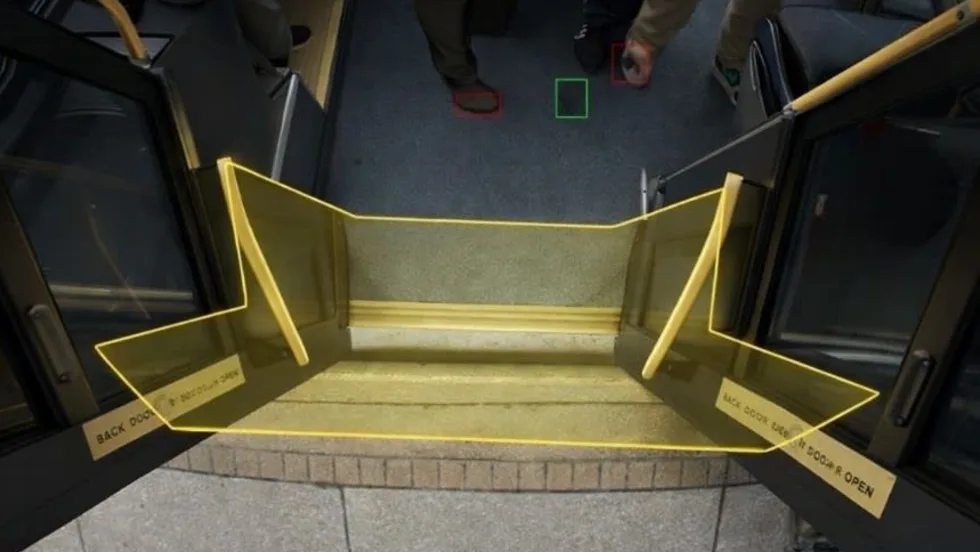
How VaporVision Adds Value to Transit Door Systems
Wabtec engineers explain how the system improves doorway detection, strengthens diagnostics and gives transit agencies and OEMs greater operating flexibility.
Read More →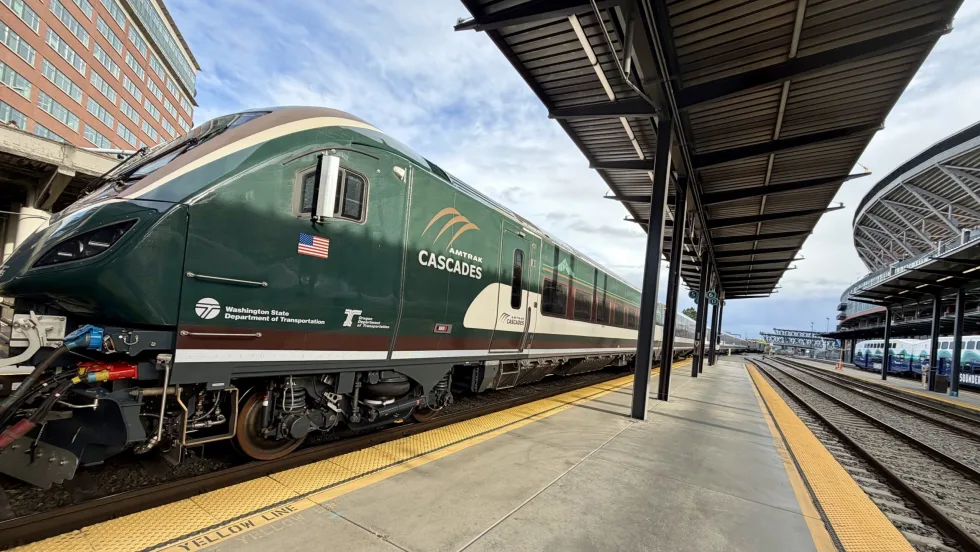
FRA Announces $5.3B in Rail Investments, Including $2B for Amtrak
Funding will support grade-crossing improvements, infrastructure upgrades, and new Amtrak equipment in 23 states.
Read More →
Chicago, Maryland Expand Non-Law-Enforcement Safety, Rider Support
The CTA and MTA are launching new programs aimed at de-escalation, crisis response, rider assistance, and greater transparency.
Read More →
LA Metro, City of West Hollywood, and Partners Advance Smarter Bus Lane Enforcement
The award-winning partnership combines AI-powered detection with human oversight to improve bus reliability, accessibility, and enforcement efficiency.
Read More →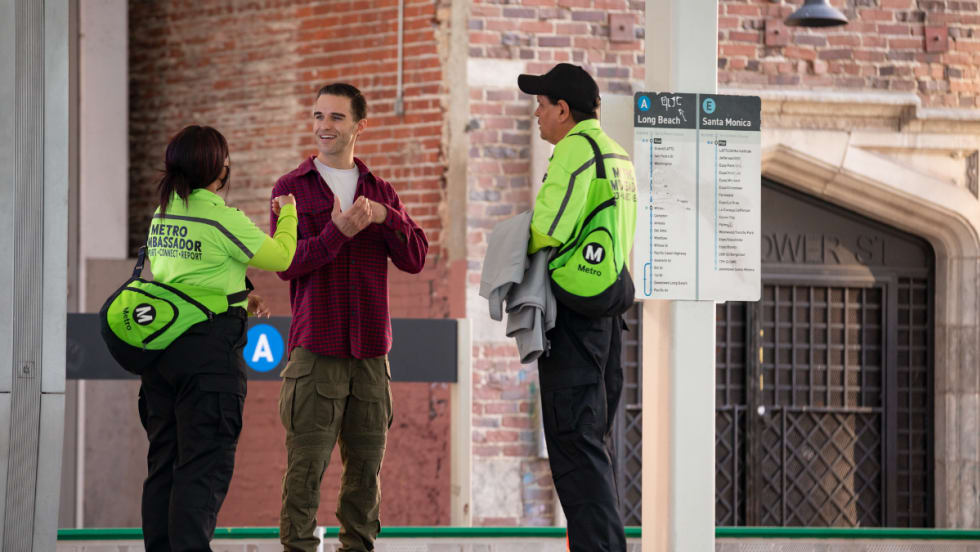
LA Metro Reports 57% Decline in Homelessness on Transit System Since 2024
The agency's latest homelessness count offers new data on how care-based services and cross-sector partnerships can complement traditional transit security strategies.
Read More →
FTA Launches 'Transit Moves America' Dashboard to Highlight Agency Safety and Performance
The online dashboard transforms National Transit Database information into a public-facing resource that allows users to compare transit agencies on key operational and safety metrics.
Read More →