



D.C. Metro briefs safety groups on rail yard accident
Operator of train 902 has been a Metro employee since May 2007 and a train operator since November 2008. He is currently on paid administrative leave.

Washington Metropolitan Area Transit Authority (Metro) officials met with members of the Federal Transit Administration (FTA), National Transportation Safety Board (NTSB) and the Tri-State Oversight Committee (TOC) and walked them through preliminary information related to Sunday's collision of two trains in the West Falls Church Rail Yard.
The meeting was called by Metro and served as a follow-up to personal contact that Metro's GM John Catoe and safety officials made in reaching out to inform officials of the FTA, NTSB and TOC about the accident, according to the agency. Catoe also briefed members of the Metro Board of Directors about the accident yesterday.
At least three of Metro's railcars were damaged beyond repair during the early morning collision between two six-car trains in the rail yard. Two of those three railcars derailed during the accident. All 12 cars sustained some level of damage and Metro's railcar maintenance officials are continuing to assess the condition of the remaining nine cars to determine if repairs are possible. New railcars cost about $3 million each. A total estimate of damages has not been completed.
Three employees sustained minor, non life-threatening injuries and were taken to a nearby hospital where they were treated and released a few hours after a six-car train struck the rear of another six-car train parked inside the West Falls Church Rail Yard at 4:27 a.m. Sunday. The employees included the railcar operator and two railcar cleaners who were on the parked train.
Train number 902 was the final train of the night to pull into the rail yard when it struck the last car of a six-car train that was parked in the yard. It was being operated in manual mode; however a train that is operated manually inside a rail yard differs from a train that is operated manually on a "main line" track that is used to provide service to customers.
Trains that are in service along main line track use an automatic train protection system, something that is not available inside Metro's nine rail yards. Automatic train protection regulates train speeds on Metro's 106-mile main line tracks.
The operator of train 902 has been a Metro employee since May 2007 and a train operator since November 2008. He is currently on paid administrative leave.
More Rail
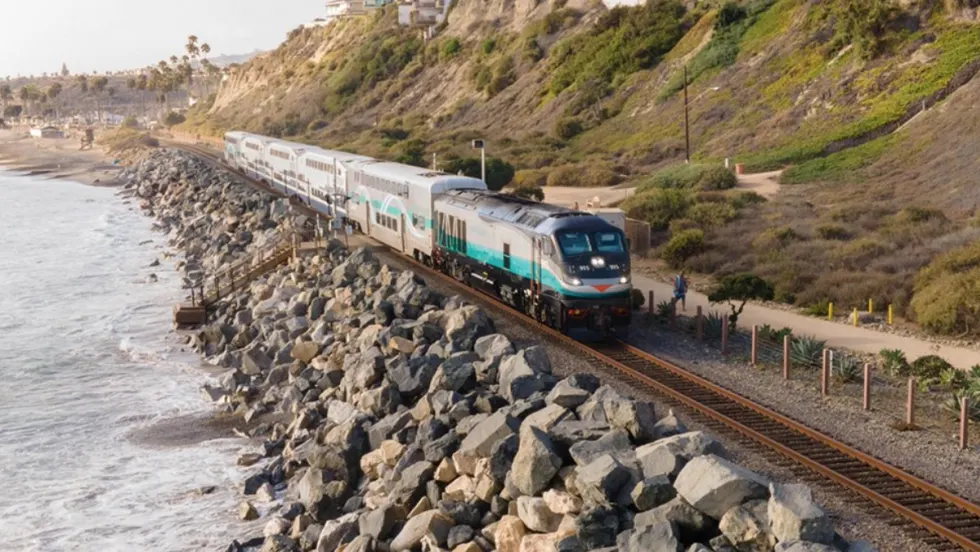
OCTA Finalizes 30-Year Strategy to Protect Coastal Rail Corridor
The agency approved its coastal rail resiliency study and will begin developing projects to protect seven miles of railroad as emergency stabilization efforts continue.
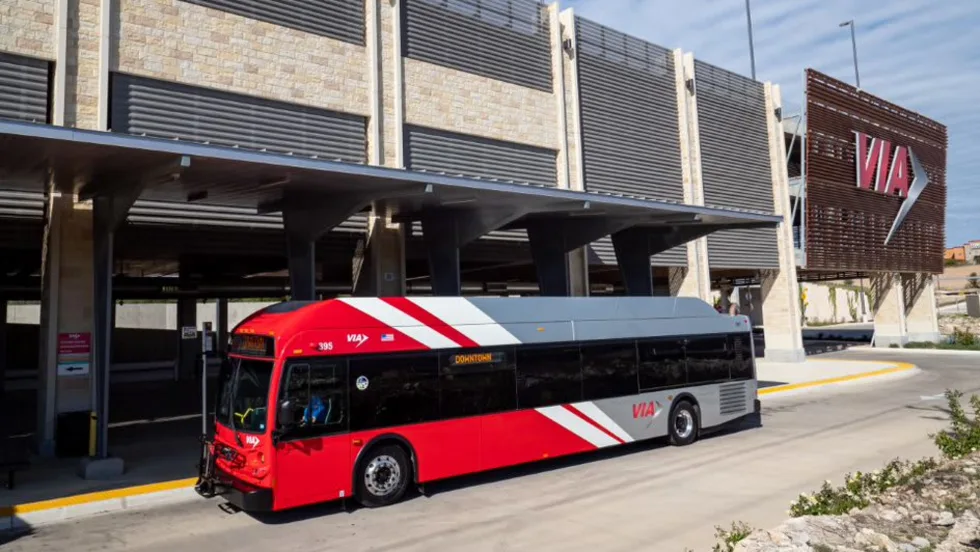
VIA, MBTA Reach Pre-Pandemic Ridership Milestones as Transit Use Climbs
VIA surpasses three million monthly trips for the first time since 2020, while the MBTA tops one million average weekday trips as both agencies report continued ridership growth.

People Movement: Metrolink's Kettle Announces Retirement, Feakins to CEO at UZURV, and More
In this edition, we also cover recent appointments and announcements at King County Metro, SilverRide, and more, showcasing the individuals helping to shape the future of transportation.
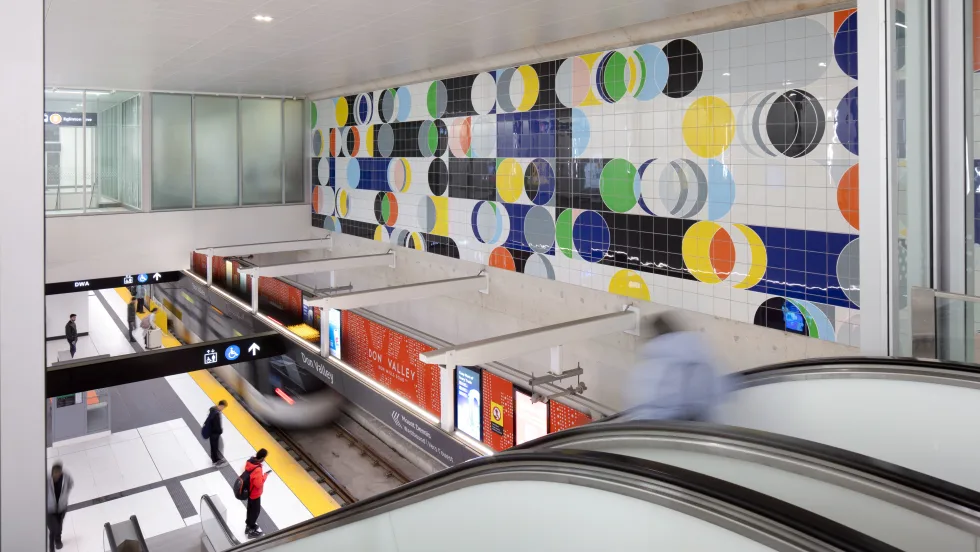
How Gen Z's Changing Mobility Habits Are Reshaping Public Transit
As younger generations embrace multimodal mobility over private vehicles, transit agencies can rethink station design, the passenger experience, and public transportation's role in building connected communities.
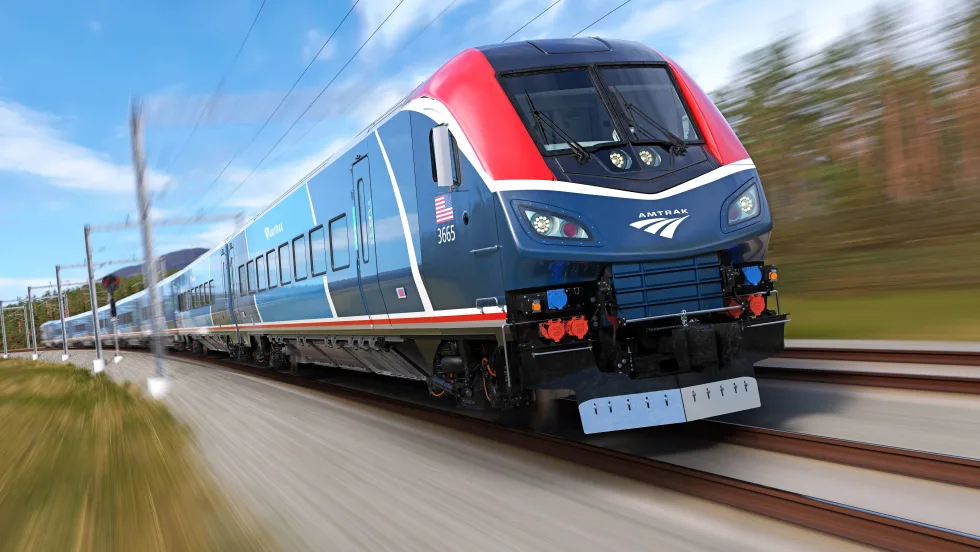
Amtrak Expands Airo Fleet with Eight Higher-Capacity Trainsets
The new 10-car trains, expected to enter service in 2031, will provide about 34% more seating capacity to meet growing demand on the Northeast Corridor.
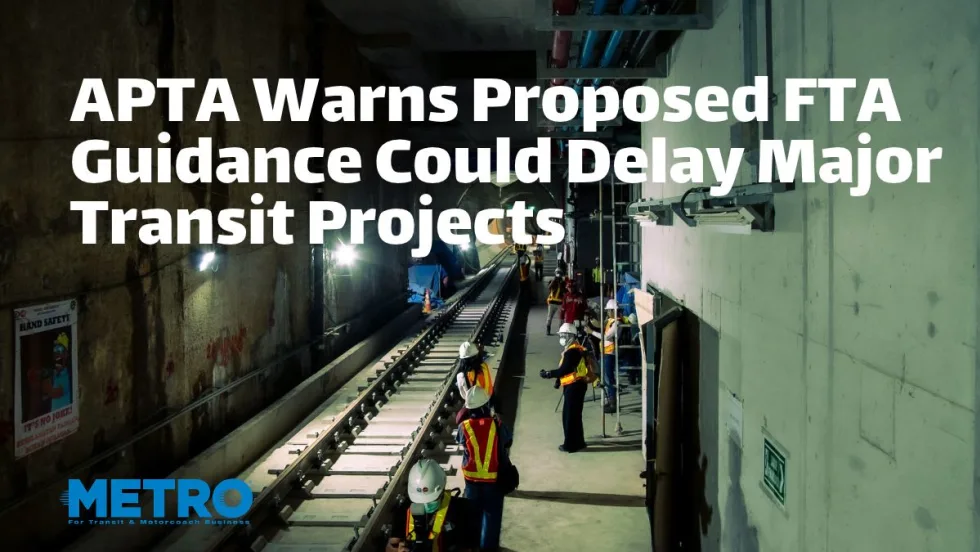
APTA Urges FTA to Withdraw Proposed Capital Investment Grants Guidance
The association warns that proposed changes could delay transit projects, reduce federal funding, and create new hurdles for 47 projects currently in the CIG pipeline.
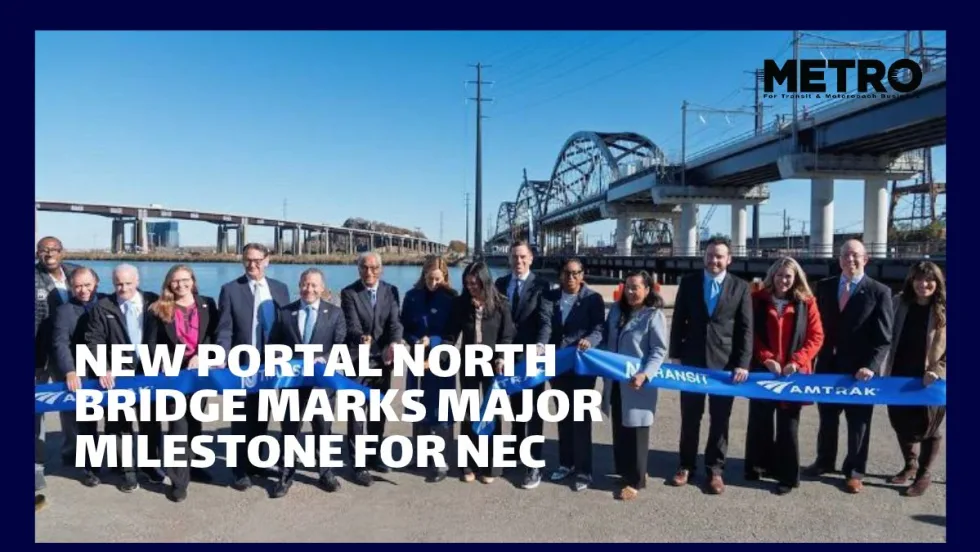
Amtrak, NJ TRANSIT Launch Full Service on New Portal North Bridge
The completion of the two-track bridge over the Hackensack River eliminates a longstanding source of delays for NJ TRANSIT and Amtrak customers. It marks a major milestone for the Gateway Program.
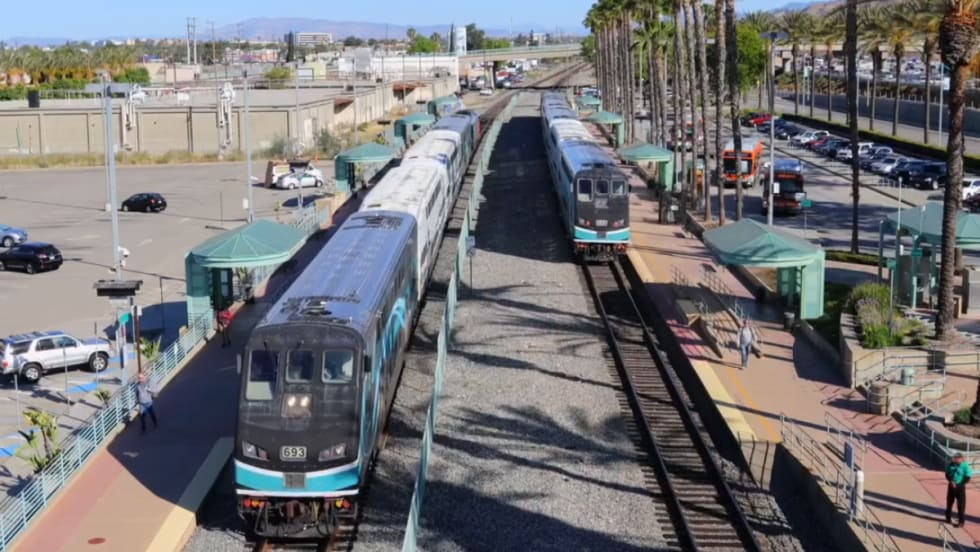
Southern California’s Metrolink Approves $508.8M Budget, Avoids Service Cuts
A $20 million state allocation allows the regional rail agency to maintain existing weekday and weekend service through fiscal year 2028, although longer-term funding challenges remain.
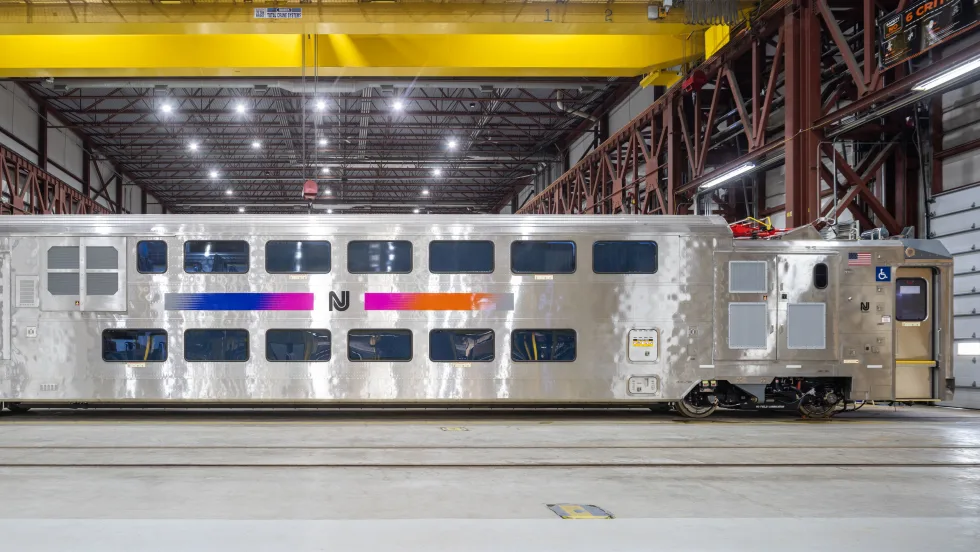
NJ TRANSIT Approves $65.6M for Hudson-Bergen Light Rail Improvements
The funding marks the first phase of a planned $250 million investment over five years to modernize stations, overhaul vehicles, and improve system reliability and passenger safety.

STraffic Expands North American Presence with Fare Collection Technology
John Moon, Associate Director, Product Strategy at STraffic, discusses the company's growth in North America, its efforts to reduce fare evasion, and more.