



D.C. Metro investigates train collision cause
Contacted experts in the field of track signaling to conduct an independent review. Other actions include staff realignment; shifting the position of the 1000-series cars; and operating all trains manually.

External experts in track signaling and circuitry from across the country are in discussions with Washington Metropolitan Area Transit Authority (Metro) officials in an effort to help determine what may have caused last week’s train collision.
The experts were contacted by Metro to assist with the transit agency’s investigation into what caused two trains to collide on the Red Line at the start of the afternoon rush hour on June 22.
“We have been talking with subject-matter experts in the field of track signaling for the past few days. We have contacted the American Public Transportation Association to be part of this effort,” Metro GM John Catoe said. "The effort will include an independent review of critical components such as signals and circuitry. Final findings will be important to Metro, but also may eventually impact the rest of the transit industry as well."
Signals, circuits, relays and other components are located in the track bed and in special train control booths that enable trains and the Operations Control Center to communicate with each other to move trains and passengers safely.
In an effort to facilitate the internal review, Catoe also announced an immediate realignment of some staff from Metro’s Rail Department and Infrastructure and Renewal Dept., while the investigation is under way so that all staff who are affiliated with signal and track responsibilities, whether they are engineers or maintenance staff, are housed together in the Operations Department.
In addition, Metro has already implemented several other actions since last week’s accident, including inspections of all 3,000 track circuits; shifting the position of the 1000-series cars; restricting speeds on the Red Line and operating all trains manually.
Catoe said he would not consider returning trains to automatic mode until officials have evaluated the recommendations made by the team of outside experts.
Metro officials are in the process of shifting the 1000-series cars, — the oldest in the fleet — which were involved in last week’s accident, between the newer series of cars when a train is put into service. This is because the first car of the striking train in last Monday’s accident sustained the most damage, and officials believe that if those cars are relocated to the center of six- and eight-car trains the newer cars may absorb the majority of impact in the event of a collision.
A consequence of mixing 1000-series cars with newer models, such as the 6000-series cars, will mean that the interior next station stop signs, which are featured in the 6000-series vehicles, will not function. However all critical railcar operations and safety mechanisms will work.
“These railcars are safe,” Catoe said. There are no plans to remove the nearly 300 old rail cars from service. “We have no evidence that these 1000-series cars contributed to the cause of the accident. But I understand that the public perception may be different. Removing them from service is not practical, nor is it necessary,” Catoe explained.
Metro also has reduced speeds to a maximum of 35 mph throughout the Red Line while the investigation continues between the Fort Totten and Takoma Metrorail stations.
Metro’s Board of Directors voted last week on June 23 to establish an emergency hardship relief fund of $250,000 to provide financial relief to the families of the victims of the collision to assist with medical, funeral and other immediate expenses.
More Rail
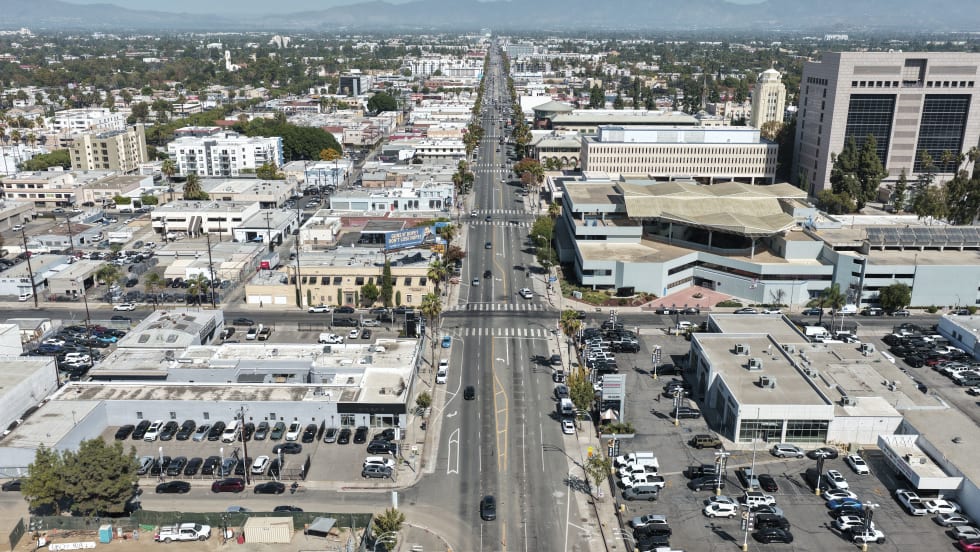
LA Metro Breaks Ground on East San Fernando Valley Light Rail Project
The 6.7-mile line will add 11 stations along Van Nuys Boulevard, expand access to jobs and regional transit connections, and support Metro’s broader efforts to improve mobility as rail ridership grows.
Read More →
CSA Group Releases Climate Resilience Standard for Transit, Passenger Rail
Developed with support from the Standards Council of Canada, CSA D700 guides assessing climate-related risks and planning adaptation measures for transit and passenger rail systems.
Read More →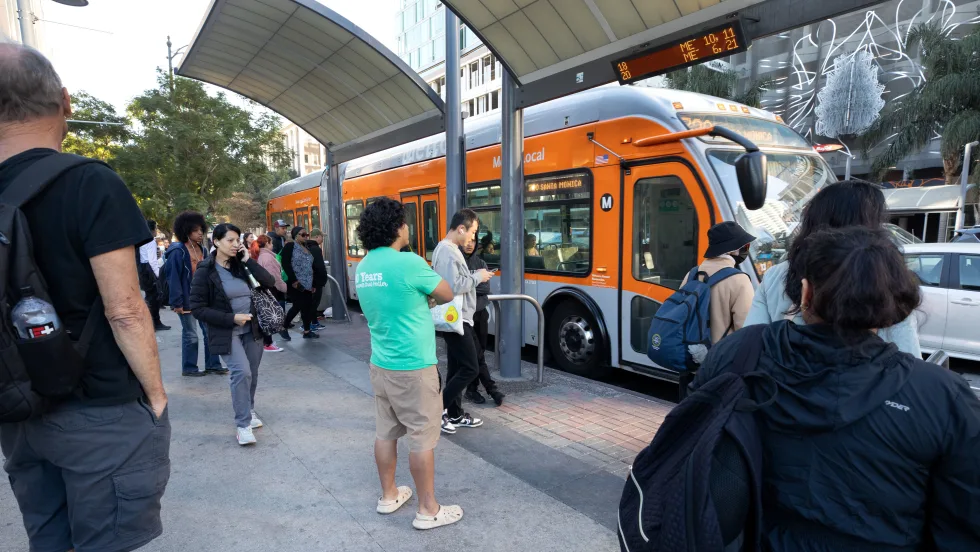
LA Metro September Ridership Climbs 3.9%, Led by Rail Growth
The agency recorded more than 27.2 million boardings, with rail ridership increasing 12.4% year over year and the D Line posting the largest gains.
Read More →
First Full MetroLink Rail Expansion Completed in 20 Years with $192M Airport Project
The project links two St. Louis-area airports by light rail while adding roadway and bike trail connections to improve regional access and mobility.
Read More →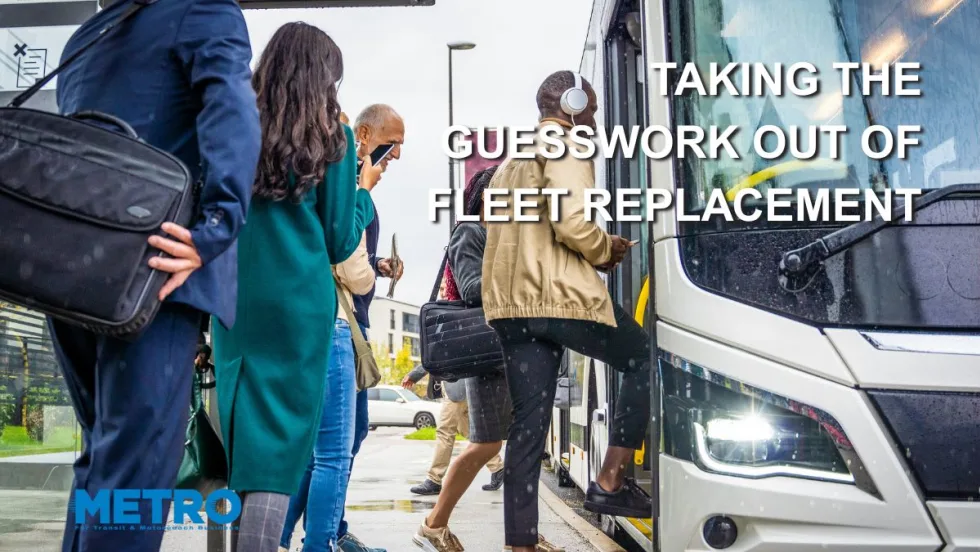
Utilimarc Launches SmartReplace to Optimize Fleet Replacement Decisions
AI-powered SmartReplace helps fleets prioritize vehicle replacements, model budget scenarios, and build more defensible long-term strategies.
Read More →
Scenes from APTA TRANSform & EXPO 2026
Transit leaders, manufacturers, and industry professionals gathered in Chicago to explore new technologies, share ideas, and discuss the future of public transportation.
Read More →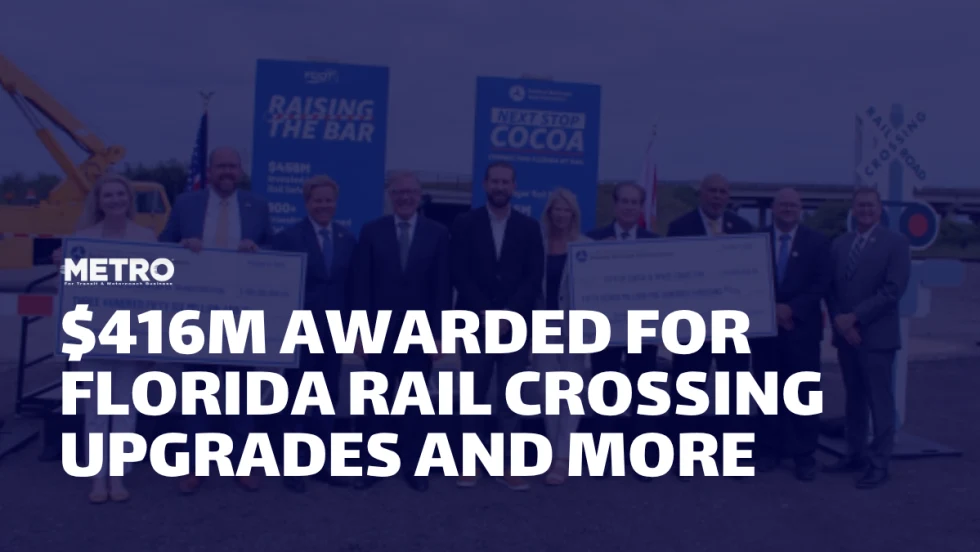
USDOT Awards $416 Million for Florida Rail Crossing Safety Upgrades, New Brightline Station
The projects aim to reduce risks for motorists and pedestrians at rail crossings while expanding passenger rail access along Florida’s Space Coast.
Read More →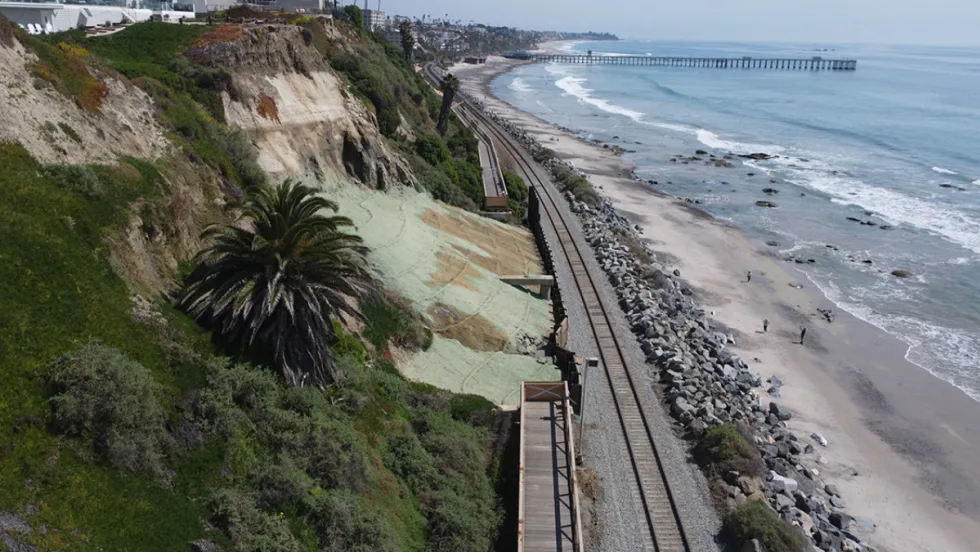
OCTA Declares Emergency to Protect Rail Corridor From Coastal Erosion
The California agency is accelerating shoreline protection and plans to place approximately 690,000 cubic yards of sand along the San Clemente coast to protect a key passenger and freight rail link.
Read More →
More Than a Summer Job: Building the Next Generation of Transit Talent
The Delaware River Port Authority and PATCO have transformed their internship program into a hands-on professional development experience that introduces students to the breadth of transportation careers — and creates a pipeline for future employees.
Read More →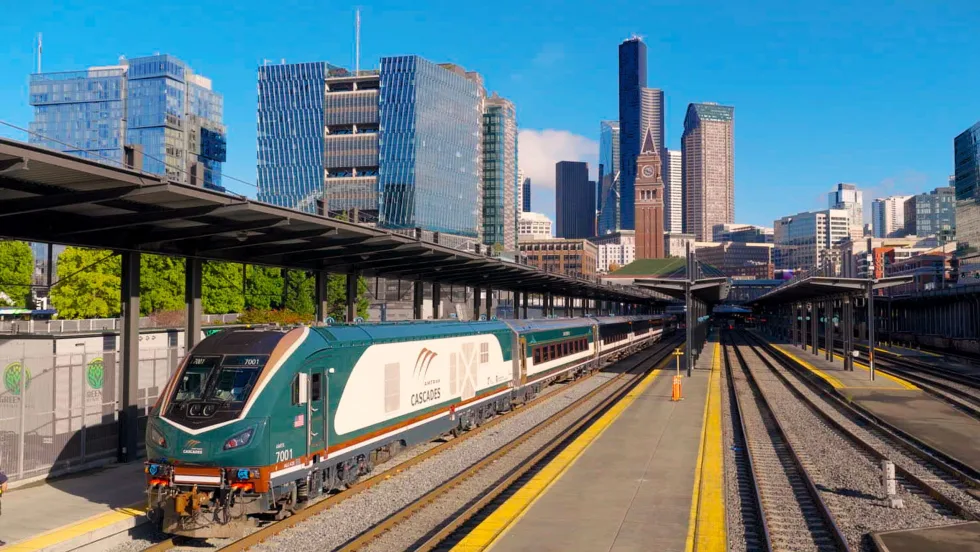
Airo Trains Make Their Amtrak Cascades Debut in the Pacific Northwest
Effective immediately, two cutting-edge Airo trainsets will join the Amtrak Cascades route, operating four daily trips between Vancouver, B.C., Seattle, Portland, and Eugene, Oregon, marking the first introduction of Airo trains into passenger service anywhere in the country.
Read More →