



D.C. Metro opens new bus facility
The Shepherd Parkway Metrobus Division sits on 16 acres of land with space for up to 250 buses. Initially, it will house 114 Metrobuses that operate on 50 routes mainly in Southeast and Southwest Washington, D.C., providing better service for thousands of customers.


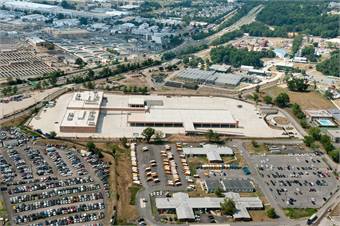
Washington Metropolitan Area Transit Authority (Metro), local and federal officials opened the new Shepherd Parkway Metrobus Division, a modern, spacious and environmentally-friendly bus facility in Southwest Washington, D.C.
The state-of-the-art facility sits on 16 acres of land with space for up to 250 buses. Initially, it will house 114 Metrobuses that operate on 50 routes mainly in Southeast and Southwest Washington, D.C., providing better bus service for thousands of customers in the District of Columbia.
The Shepherd Parkway facility consists of a maintenance and administration building, maintenance bays for repairs, inspections and servicing, bus wash, fueling station, and parking and storage for up to 250 buses. A compressed natural gas fueling station will be added next spring. Approximately 400 employees will work at the new Shepherd Parkway Metrobus Division.
Shepherd Parkway will be Metro’s first building with US Green Building Council LEED Silver certification. While in its initial stages, Metro committed to incorporating features to reduce energy and water consumption from the design and construction phases through to the ways the facility will be operated and maintained. Of note, Shepherd Parkway features a storm water filtration system, white roof, drought-tolerant landscaping, low-flow plumbing fixtures and lighting system with occupancy sensors. Additional environmentally-friendly attributes include being within ¼-mile walking distance from a bus stop, bicycle parking and priority parking spaces for fuel efficient vehicles.
“Better maintenance on our vehicles, improved employee working conditions and improved operating efficiency equals better service to the thousands of people who ride Metrobuses in Southwest and Southeast Washington every day,” said Metro GM and CEO Richard Sarles.
Shepherd Parkway replaces the former Southeastern Metrobus Division, which was more than 70 years old when it closed in March 2008 because of its proximity to Nationals Park. Metro broke ground on the $97 million facility in September 2009, using proceeds from the sale of the former Southeastern Metrobus garage and funds from the Federal American Recovery and Reinvestment Act of 2009.
“This state-of-the-art bus facility has been years in the making and we’d like to thank our local and federal partners, including the District of Columbia and US Department of Transportation, and the local community for their continued support. The investment in and dedication to Metro will be returned to the community with better bus service here in the nation’s capital and throughout the region,” Sarles said.
The Shepherd Parkway facility also features public art by sculptor, Ann Gardner. “North Star” consists of one large star and six small stars connected by dots that outline the image of the Ursa Minor constellation. The large-scale sculpture covers the north wall of the main building and is constructed of glass tiles, stainless steel and concrete.
More Bus
Castro to Lead RTC of Southern Nevada and More in People Movement
In this edition, we also cover recent appointments and announcements at the STV, MCI, and more, showcasing the individuals helping to shape the future of transportation.
Read More →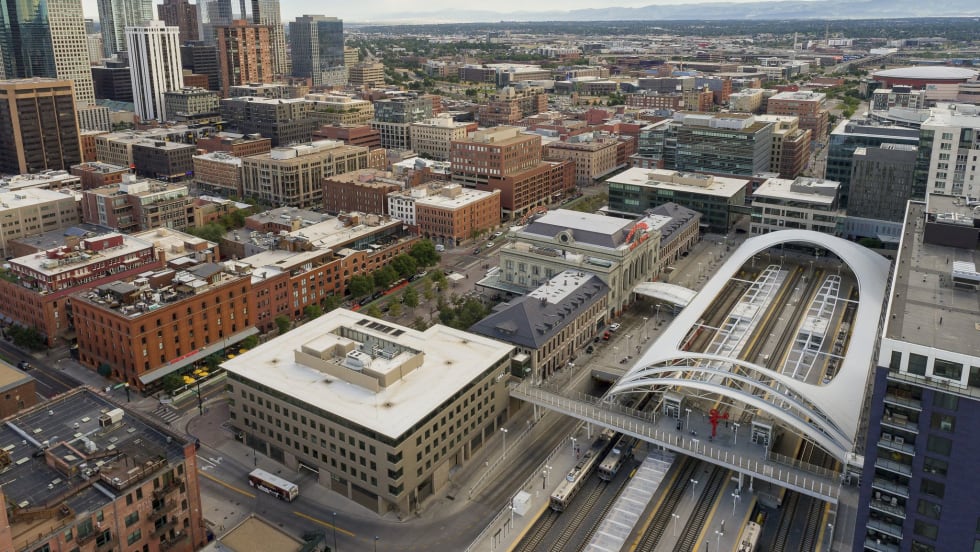
Study: Denver RTD Generates $2.1 Billion in Annual Economic Activity
An economic impact study finds the agency supports approximately 17,500 jobs, delivers $1.6 billion in annual community and mobility benefits, and generates $2.42 in economic value for every dollar invested.
Read More →
Mark Aesch Nominated to Lead Federal Transit Administration
The former Rochester transit chief and TransPro founder, who has also contributed to METRO Magazine, brings decades of industry experience and a focus on performance, accountability, and financial sustainability to the nomination.
Read More →
Pierce Transit Moves to Expand Fleet Following Proposition 1 Approval
The agency authorized the purchase or refurbishment of up to 60 buses to support a 47% service expansion, as voters nationwide approved billions in new transit funding.
Read More →
Transit Expands Agency Partnerships, Reaching 200 Official App Partners
COO Jake Sion discusses Transit’s growth, the success of its Transit Royale program, and how technology is helping agencies improve the rider experience.
Read More →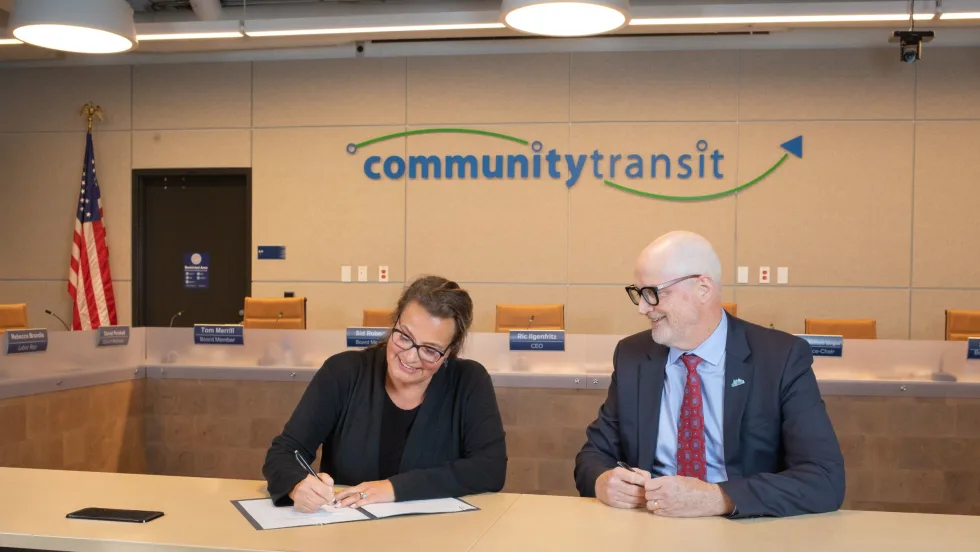
Everett Transit, Community Transit Approve Consolidation of Services
The agreement will bring Everett Transit into Community Transit’s network in April 2027, with plans to increase bus service by 50% by 2031 and expand regional connections.
Read More →
Brian Dickson on Building Stronger, More Resilient Transportation Organizations
Bus Business Consultants Founder Brian Dickson discusses the leadership principles, operational discipline, and strategic planning that separate transportation companies positioned for long-term success from those stuck in survival mode.
Read More →
LA Metro Breaks Ground on Vermont BRT Project
The 12.4-mile corridor is projected to serve 66,200 daily riders, reduce travel times by up to 24%, and create the nation's busiest bus rapid transit corridor.
Read More →
Roman Cornell on ABC Companies’ Evolution and the Future of Passenger Transportation
The company’s CEO discusses carrying forward a third-generation family legacy, ABC’s continued evolution in passenger transportation, support for increasingly complex fleets, and how technology and continued investment could help operators improve uptime.
Read More →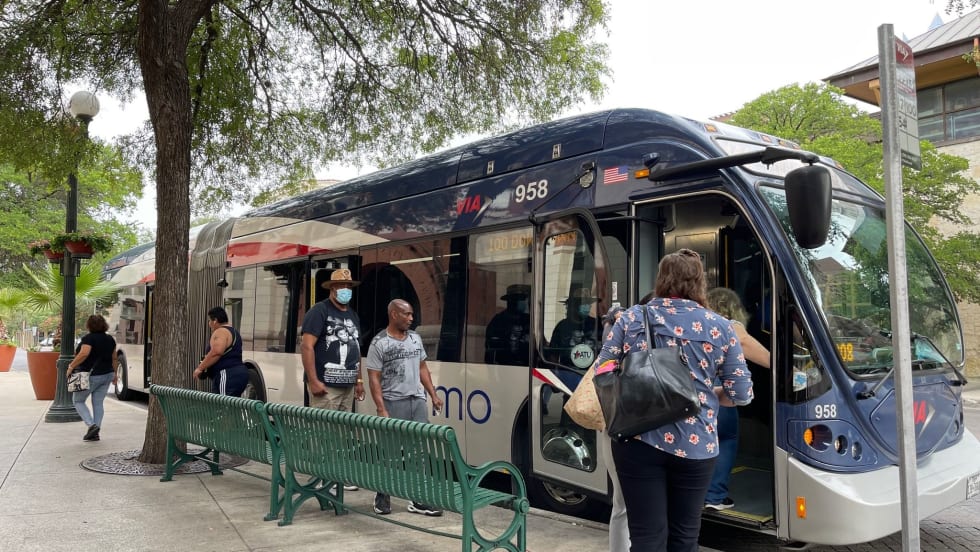
VIA Bus Ridership Grows 10.1% Through August 2026
San Antonio's VIA Metropolitan Transit reported the highest bus ridership growth among major Texas transit systems. Federal Transit Administration data ranked it second among the nation's 50 largest transit systems.
Read More →