



D.C. Metro police patrol garages with 3-wheeled vehicles
Two new, motorized T3 vehicles will be used to patrol large areas, such as multi-level parking garages, to help deter auto thefts and thefts from autos, some of the most common types of crimes committed on Metro property. T3s are electric, three-wheeled vehicles that are driven by a police officer who stands between the rear wheels.

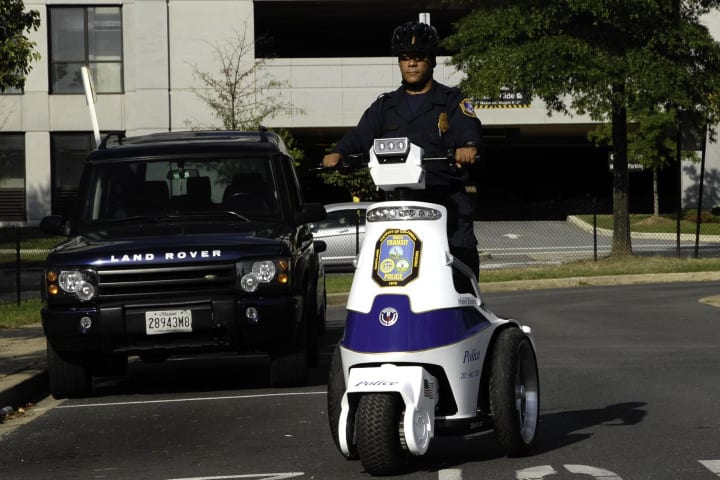
MTPD Officer Ramon Sanchez tests the new T3 vehicle. Photo courtesy Washington Metropolitan Area Transit Authority (Metro).
[IMAGE]T3scooters-full.jpg[/IMAGE]The Washington Metropolitan Area Transit Authority (Metro) Transit Police Department (MTPD) is fighting crime in Metro’s expansive network of parking facilities with new technology and old-fashioned community policing efforts to combat vehicle-related crimes.
During October, Crime Prevention Month, MTPD is taking the opportunity to offer tips and tools to customers who park in Metro’s parking lots, and is introducing new police T3 vehicles, which will add to the department’s efforts to patrol the Metro system’s 50 parking lots.
The police department has two new, motorized T3 vehicles for officers who patrol large areas, such as multi-level parking garages, to help deter auto thefts and thefts from autos, some of the most common types of crimes committed on Metro property. T3s are electric, three-wheeled vehicles that are driven by a police officer who stands between the rear wheels.
To further enhance efforts to reduce vehicle-related crime, MTPD’s Auto Theft Unit will be reaching out to riders who park in Metro facilities with tips about preventing thefts from autos and auto thefts, such as always locking car doors and keeping valuables out of sight. MTPD also has outreach events planned to distribute a limited number of free steering wheel lock devices during the month.
“While the crime rate in Metro remains low, one crime is one too many. We will try a combination of new tools and tactics, and tried and true methods to reduce crime throughout our system, including our parking lots,” said Metro Transit Police Chief Michael A. Taborn.
Typical crimes in Metro parking lots include motor vehicle thefts and thefts from vehicles. Crime in the agency's parking lots has been on the rise since 2005 when there were 717 Part 1 crimes reported. In 2008, MTPD reported 966 Part 1 crimes in Metro parking lots. Part 1 crimes include motor vehicle theft, attempted motor vehicle theft, robbery, larceny and aggravated assault. Part II offenses in parking lots increased from 849 in 2005 to 1,206 in 2008.
So far this year, (January through July), Metro's transit police have responded to 466 Part 1 parking lot crimes, including 105 vehicle thefts. The parking lot at the New Carrollton Metrorail station has experience the most vehicle-related crimes this year. In the first seven months of the year, there were 58 vehicle crimes at New Carrollton, which has three surface lots and one multi-level garage with spaces for 3,519 vehicles.
MTPD has focused on crime in parking facilities and has a dedicated Auto Theft Unit as well as patrol officers who survey roughly 60,000 parking spaces throughout 50 parking lots at 42 Metrorail stations in Maryland, Virginia and the District of Columbia.
MTPD patrol officers will use the T3s, which can travel up to 25 miles per hour, to cover large areas, such as a multi-level parking garage in less time. The officers will also have greater visibility because officers stand 10 inches above the ground when driving the T3. The additional height gives officer greater visibility above the crowd and also makes the officer more visible to the public.
“We think the new T3s will help our officers cover more ground in a shorter period of time, respond to calls quicker and increase visibility in our parking facilities where crimes take place,” Taborn said.
The T3s also are clean energy vehicles that produce zero gas emissions. They have rechargeable batteries that run for four to six hours. These vehicles have lights and sirens similar to a police sedan. In addition, headlights, brake lights and emergency lights are LED lighting.
Each MTPD district is testing one of the new police vehicles for 60 days, mainly in parking facilities. If the officers in District 1 and District 2 find the T3s beneficial to their police work, the department will purchase additional units.
METRO TV: To watch video of the new T3 vehicles in action, click here.
More New Mobility
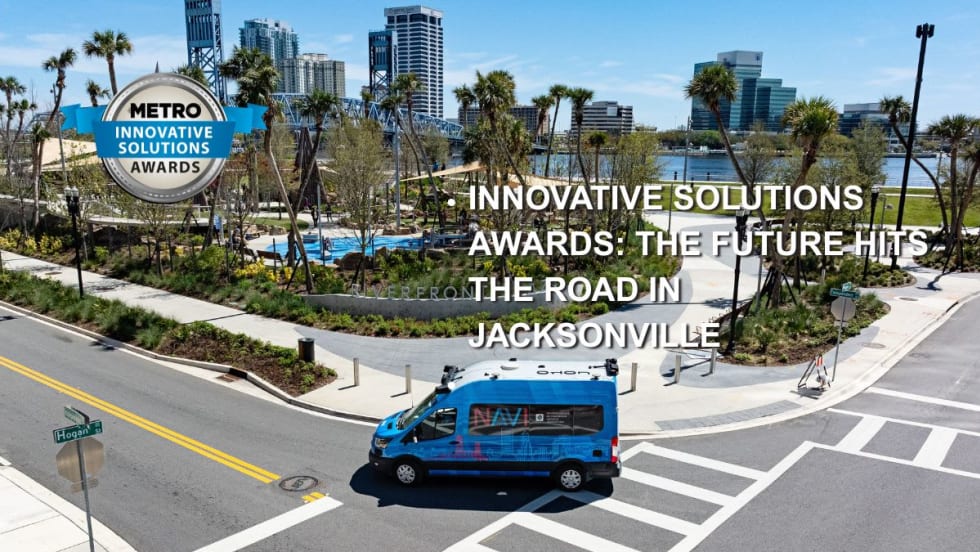
Jacksonville’s NAVI Project Charts a New Course for Autonomous Public Transportation
Through its NAVI program, JTA is showing how autonomous vehicles, intelligent infrastructure, and coordinated operations can work together to deliver everyday public transportation.
Read More →
Biz Briefs: Luminator Marks Milestone and More
From manufacturers and suppliers to transit agencies and motorcoach operators, these updates offer a snapshot of the projects, partnerships and business moves driving the industry forward.
Read More →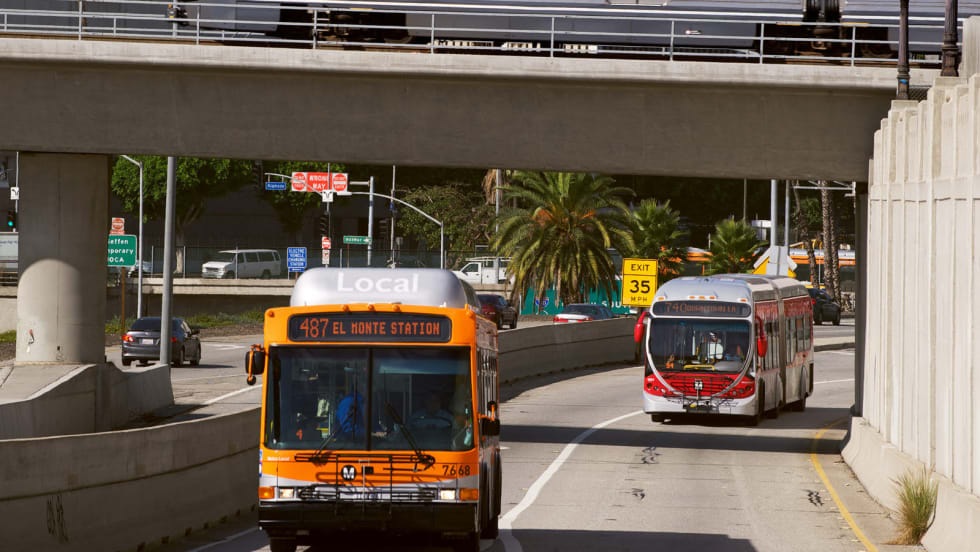
New Tricks for Old Bureaucracies: Joshua Schank on Making Transit Innovation Stick
Former LA Metro Chief Innovation Officer Joshua Schank discusses why good ideas aren't enough, how transit agencies can overcome resistance to change, and why today's challenges demand more innovation.
Read More →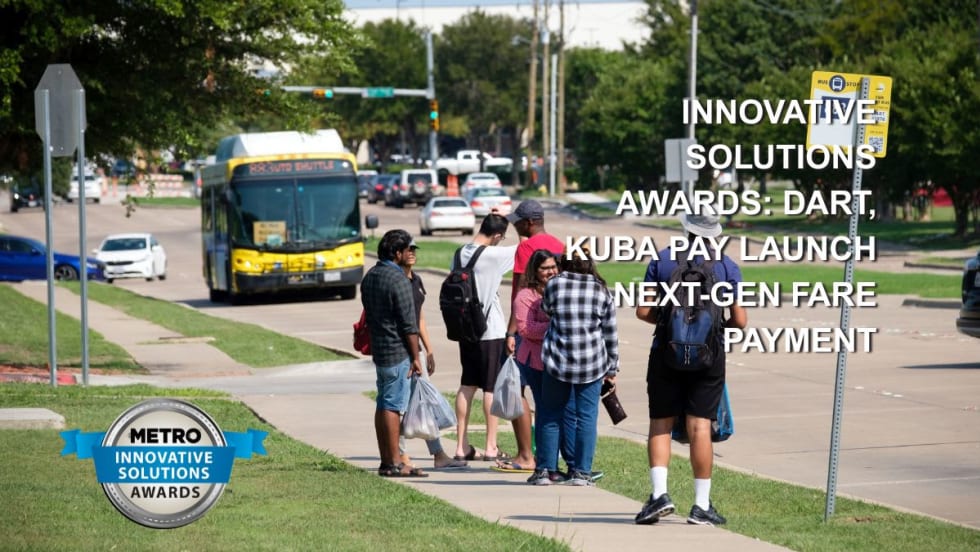
How DART's GoPass Is Redefining Regional Mobility
Serving 14 transit agencies, GoPass simplifies multimodal travel by allowing riders to plan, pay for, and manage an entire trip through one app.
Read More →
Biz Briefs: OCTA Taps Clean Energy for Hydrogen Station, Stadler to Supply Via Rail Vehicles, and More
From manufacturers and suppliers to transit agencies and motorcoach operators, these updates offer a snapshot of the projects, partnerships and business moves driving the industry forward.
Read More →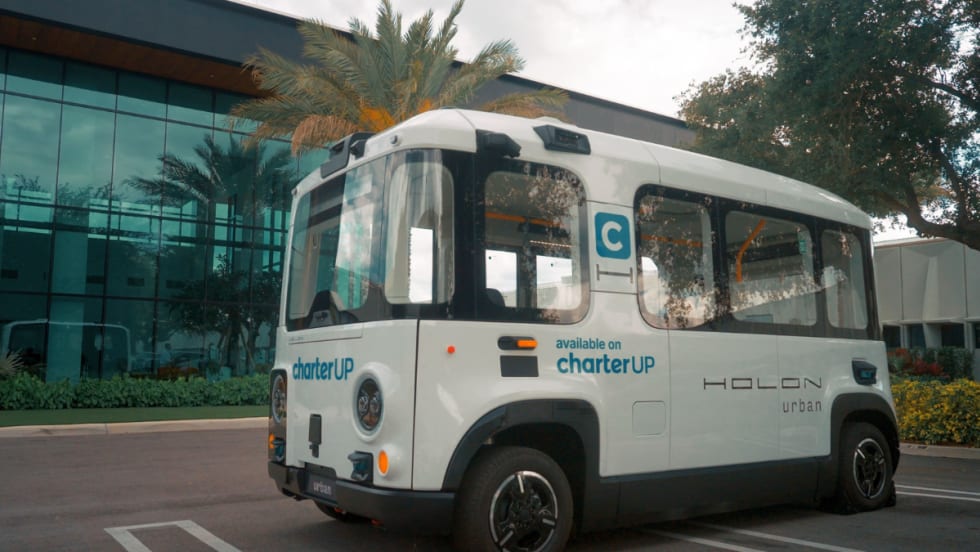
CharterUP Expands Into New Mobility and Autonomous Transportation
Vice President of New Mobility Stephen Joos discusses how CharterUP is leveraging its nationwide transportation network, technology platform, and autonomous vehicle partnerships to expand into workforce mobility, campus shuttles, and transit solutions.
Read More →
METRO Magazine Announces 2026 Innovative Solutions Awards Winners
Projects Recognized for Advancing Mobility Through Technology, Accessibility, Workforce Innovation, and Operational Excellence
Read More →
Biz Briefs: STV teams with Amtrak, Motorcoach Operators Boost Fleet and Land Contracts, and More
From manufacturers and suppliers to transit agencies and motorcoach operators, these updates offer a snapshot of the projects, partnerships and business moves driving the industry forward.
Read More →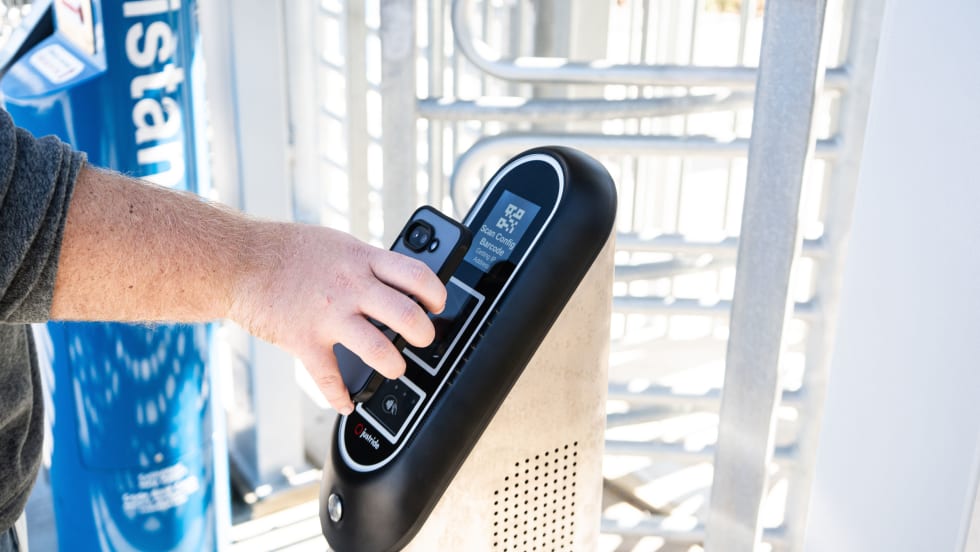
Biz Briefs: Masabi Teams with St. Louis Metro and More
In METRO's latest installment, we take a look at recent news from Transdev, Hitachi, and more partnerships making headlines across the transportation sector.
Read More →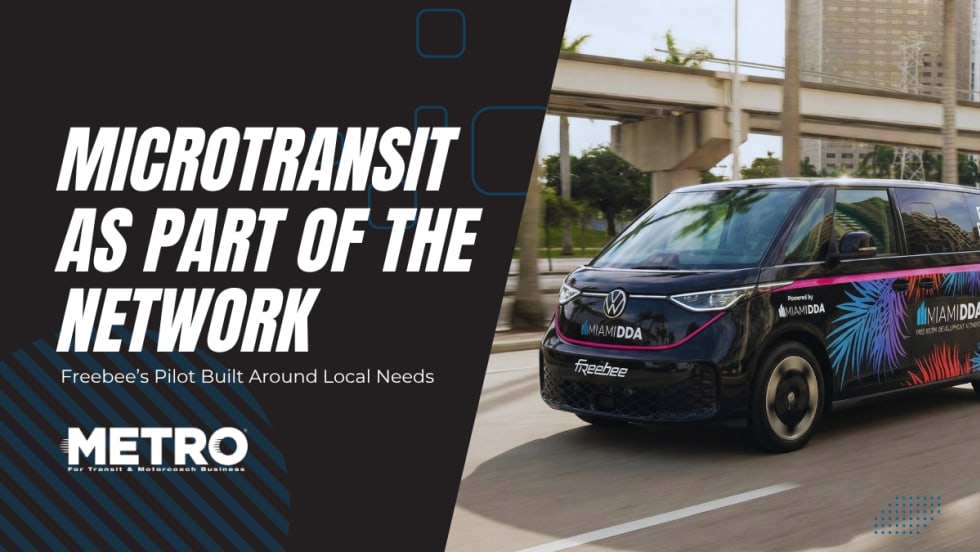
Microtransit's Next Test: Becoming Part of the Network
Freebee shows how electric microtransit is moving beyond pilots to fill network gaps, connect riders to transit, and prove lasting value.
Read More →