




RELATED: D.C. Metro chief presents agenda for 'critical change at all levels'
D.C. Metro shuts down rail service for emergency inspections
The unprecedented action follows the early Monday morning electrical fire involving a cable in the tunnel outside McPherson Square Station.
March 16, 2016
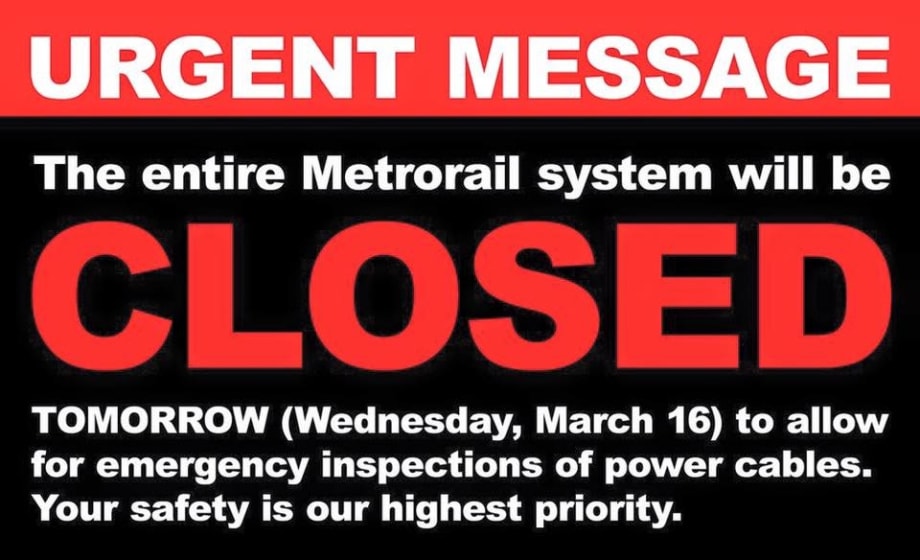
D.C. Metro's shutdown notification posted to its Facebook page.
2 min to read
D.C. Metro's shutdown notification posted to its Facebook page.
The Washington Metropolitan Area Transit Authority (D.C. Metro) suspended Metrorail service beginning Wednesday, March 16, for emergency inspections.
Metro General Manager/CEO Paul J. Wiedefeld announced full closure of the Metrorail system for so inspections of the system's third-rail power cables could be conducted following an early morning tunnel fire Monday, March 14.
The inspections of approximately 600 "jumper cables" will occur along all tunnel segments on the Metrorail system. At the conclusion of the inspection process, there may be a need for additional rail service outages, D.C. Metro officials announced.
"While the risk to the public is very low, I cannot rule out a potential life safety issue here, and that is why we must take this action immediately," Wiedefeld said. "When I say safety is our highest priority, I mean it. That sometimes means making tough, unpopular decisions, and this is one of those times. I fully recognize the hardship this will cause."
The Metrorail system, which closed at midnight on Tuesday will remain closed until 5 a.m. Thursday. All six Metrorail lines and all 91 stations will be closed on Wednesday.
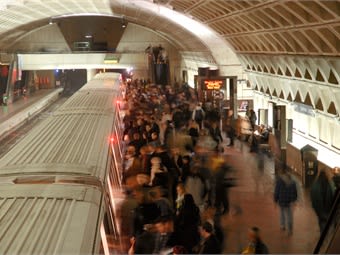
Photo: WMATA/Larry Levine
The unprecedented action follows the early Monday morning electrical fire involving a cable in the tunnel outside McPherson Square Station. There were no injuries; however, service was disrupted along the Blue, Orange and Silver lines throughout the day.
The investigation into Monday’s cable fire at McPherson Square is ongoing, according to Wiedefeld. “As a preliminary matter, the conditions appear disturbingly similar to those in the L’Enfant incident of a year ago, and our focus is squarely on mitigating any risk of a fire elsewhere on the system,” he said.
Metrobus and MetroAccess service will continue to operate on a regular schedule. Limited, supplemental Metrobus service will be provided between Pentagon and Downtown DC (Franklin Square). Parking will be free in all Metro-owned lots and garages for customers who wish to take bus or carpool.
More Security and Safety

Transit Agencies Highlight Safety Gains at National Summit
Leaders from 15 major transit systems shared crime-reduction results and safety initiatives while discussing the role of continued federal support.
Read More →
DART Launches Major Security, Fare Enforcement Initiative
The 90-day demonstration will deploy coordinated security teams at five light rail stations while testing controlled access and gathering data to guide future investments.
Read More →
RTD Launches NextRide App to Consolidate Trip Planning, Fares, Security Reporting
The app expands on RTD’s existing NextRide web application and allows customers to view real-time vehicle locations and service alerts, purchase and store digital fares, and access customer support.
Read More →

TAPTCO Updates OSHA Compliance Training for Transit Maintenance Operations
The revamped program addresses 26 OSHA standards for maintenance facilities, with TAPTCO pointing to training, documentation, and everyday shop hazards as continuing challenges for transit operations.
Read More →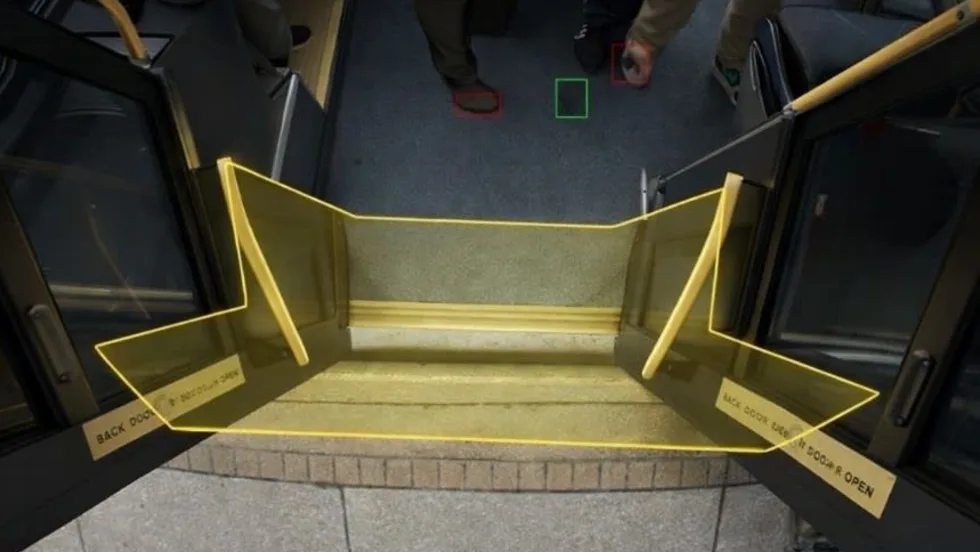
Sponsored•August 18, 2026
How VaporVision Adds Value to Transit Door Systems
Wabtec engineers explain how the system improves doorway detection, strengthens diagnostics and gives transit agencies and OEMs greater operating flexibility.
Read More →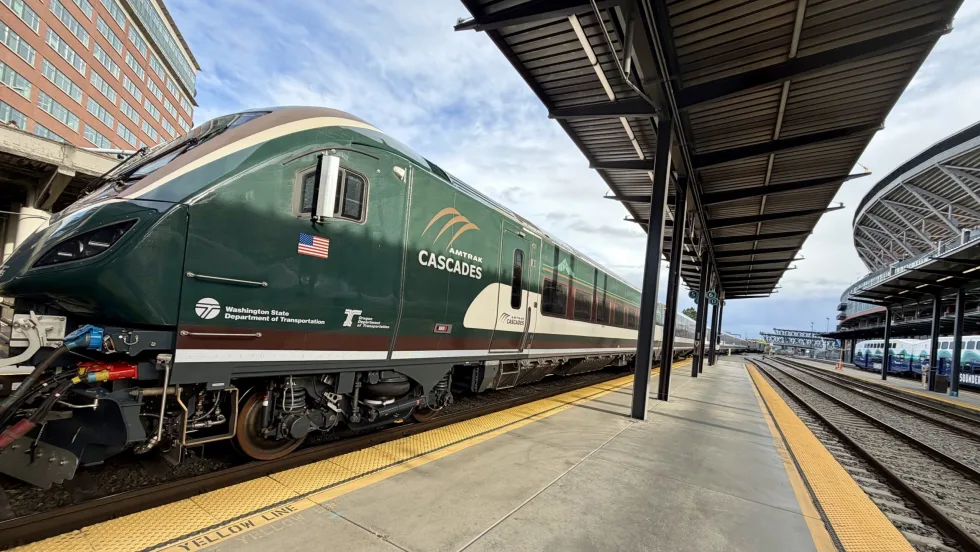
FRA Announces $5.3B in Rail Investments, Including $2B for Amtrak
Funding will support grade-crossing improvements, infrastructure upgrades, and new Amtrak equipment in 23 states.
Read More →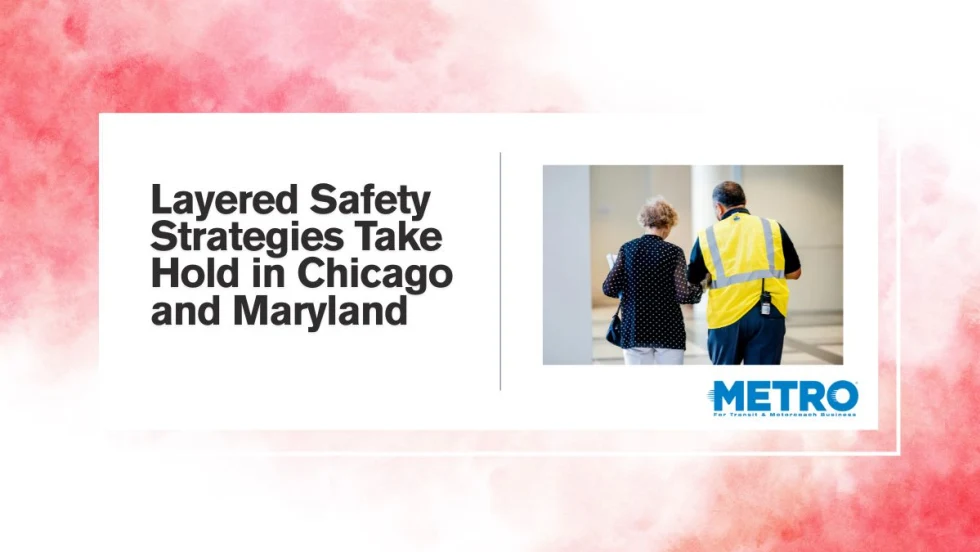
Chicago, Maryland Expand Non-Law-Enforcement Safety, Rider Support
The CTA and MTA are launching new programs aimed at de-escalation, crisis response, rider assistance, and greater transparency.
Read More →
LA Metro, City of West Hollywood, and Partners Advance Smarter Bus Lane Enforcement
The award-winning partnership combines AI-powered detection with human oversight to improve bus reliability, accessibility, and enforcement efficiency.
Read More →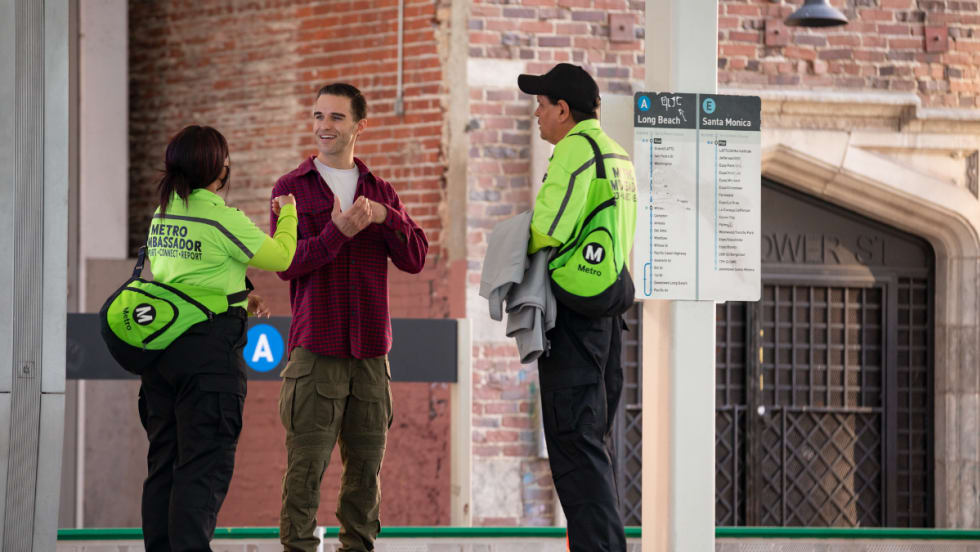
LA Metro Reports 57% Decline in Homelessness on Transit System Since 2024
The agency's latest homelessness count offers new data on how care-based services and cross-sector partnerships can complement traditional transit security strategies.
Read More →
FTA Launches 'Transit Moves America' Dashboard to Highlight Agency Safety and Performance
The online dashboard transforms National Transit Database information into a public-facing resource that allows users to compare transit agencies on key operational and safety metrics.
Read More →