




RELATED: Staff join effort to communicate new safety initiatives
DART's 'Go' services reimagining public transit
Powered by technology, these new services include app based trip-planning and ticketing, microtransit, and dynamic carpooling.
May 24, 2018
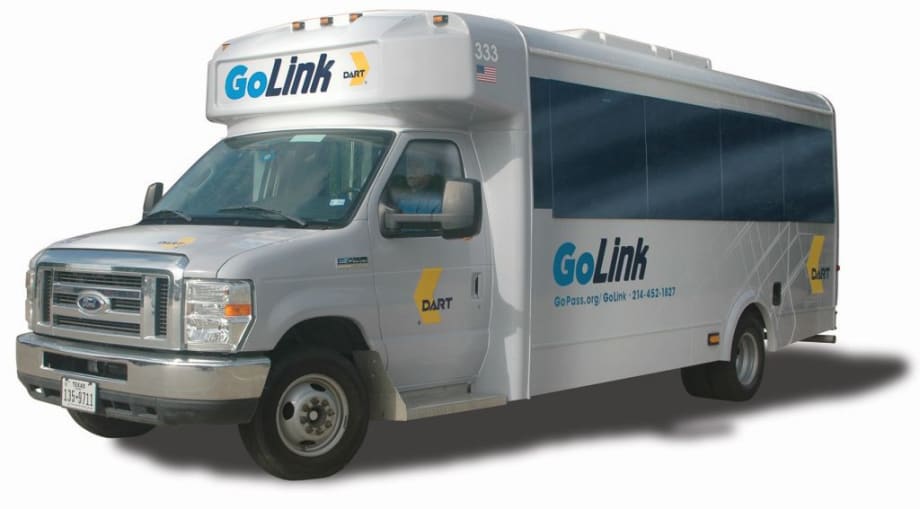
GoLink provides customers personalized curb-to-curb service anywhere within a zone.
DART
2 min to read
GoLink provides customers personalized curb-to-curb service anywhere within a zone.
DART
Dallas Area Rapid Transit (DART) is introducing new “Go” services designed to offer riders flexible transit options. Powered by technology, these new services include app based trip-planning and ticketing, microtransit, and dynamic carpooling.
“DART is focused on evolving public transportation to a more customized experience,” said Chief Marketing Officer Nevin Grinnell. “Our new Go services are aimed at improving the customer experience by making it easier for our riders to get where they need to go on DART.”
In May 2018, DART rolled out a more robust version of its GoPass mobile ticketing application. A major new feature is the cash-to-mobile option for buying tickets. At hundreds of DFW area retail locations, customers can load value onto their GoPass app account using cash. Customers then used that stored value, held in a digital wallet within the app, to purchase tickets for DART, Trinity Railway Express, Trinity Metro, or Denton County Transportation Authority.
The enhanced app also offers more robust travel tools, including real-time trip planning.
Future enhancements to the app will also include more seamless integration with ride-sharing services, including bikes and shared vehicles.
The agency is currently testing a new shared-ride service known as GoLink. This microshuttle combines the low cost of public transportation with the convenience and technology of ride-sourcing. GoLink provides customers personalized curb-to-curb service anywhere within a zone. There are currently three zones in Plano, a suburb of Dallas, and three zones in southern Dallas.
Customers request a GoLink ride through the TapRide mobile app and can track the location of the shuttle bus, like they can with private ride-sharing services.
DART hopes to reach new customers who live or work in areas that aren’t served by public transit by introducing a dynamic carpooling service: GoPool. Unlike static carpooling, where commuters must find people in advance to share a trip, dynamic carpooling uses technology to arrange one-time shared rides on short notice through a mobile app. Commuters who want to reduce travel costs but don’t have access to DART service can use GoPool to find the ideal ride companion — someone who lives and works nearby and shares a similar work schedule.
The agency is in the early stages of a pilot test of GoPool. DART is working with companies in target areas to assess if it is a viable mobility solution for their employees.
More New Mobility

From Hardware to Digital Partner: Luminator Charts Its Next Chapter
CEO Magnus Friberg discusses Luminator’s shift toward becoming a digital partner, the growing importance of software and interoperability, and how AI can help agencies improve operations and passenger experience.
Read More →
Biz Briefs: Alstom Lands Canadian Contract, LYT to Supply California TSP, and More
In METRO's latest installment, we take a look at recent news from Complete Coach Works, Beep, FlixBus, and more partnerships making headlines across the transportation sector.
Read More →
CharterUP’s Armir Harris on Technology, AI, and the Future of Group Mobility
In a recent episode of METROspectives, CharterUP Founder/CEO Armir Harris discussed the company’s evolution from an online charter bus marketplace into a technology platform supporting public- and private-sector mobility and much more.
Read More →
Jacksonville’s NAVI Project Charts a New Course for Autonomous Public Transportation
Through its NAVI program, JTA is showing how autonomous vehicles, intelligent infrastructure, and coordinated operations can work together to deliver everyday public transportation.
Read More →
Biz Briefs: Luminator Marks Milestone and More
From manufacturers and suppliers to transit agencies and motorcoach operators, these updates offer a snapshot of the projects, partnerships and business moves driving the industry forward.
Read More →
New Tricks for Old Bureaucracies: Joshua Schank on Making Transit Innovation Stick
Former LA Metro Chief Innovation Officer Joshua Schank discusses why good ideas aren't enough, how transit agencies can overcome resistance to change, and why today's challenges demand more innovation.
Read More →
How DART's GoPass Is Redefining Regional Mobility
Serving 14 transit agencies, GoPass simplifies multimodal travel by allowing riders to plan, pay for, and manage an entire trip through one app.
Read More →
Biz Briefs: OCTA Taps Clean Energy for Hydrogen Station, Stadler to Supply Via Rail Vehicles, and More
From manufacturers and suppliers to transit agencies and motorcoach operators, these updates offer a snapshot of the projects, partnerships and business moves driving the industry forward.
Read More →CharterUP Expands Into New Mobility and Autonomous Transportation
Vice President of New Mobility Stephen Joos discusses how CharterUP is leveraging its nationwide transportation network, technology platform, and autonomous vehicle partnerships to expand into workforce mobility, campus shuttles, and transit solutions.
Read More →
METRO Magazine Announces 2026 Innovative Solutions Awards Winners
Projects Recognized for Advancing Mobility Through Technology, Accessibility, Workforce Innovation, and Operational Excellence
Read More →