



DC Metro GM outlines additional safety actions
Following the derailment at East Falls Church, Wiedefeld ordered a new round of inspections for all interlockings conducted by rail maintenance supervisors with track engineers participating.


DC Metro GM/CEO Paul J. Wiedefeld today announced that additional weekend closures may be included in the SafeTrack schedule to address issues identified following the East Falls Church derailment, and provided an update on steps taken to improve Metro’s track inspection program.
“Safety trumps service, now more than ever at Metro. The SafeTrack program is intended to make our tracks safe and reliable, and I have reinstructed the team to ensure we are addressing every issue out there, including interlockings,” Wiedefeld said. “I will continue to notify our riders of any service changes as quickly as possible, but we are not backing off of safety over service.”
Following the derailment at East Falls Church, Wiedefeld ordered a new round of inspections for all interlockings conducted by rail maintenance supervisors with track engineers participating. Those inspections have identified several interlockings that require work. As a result, SafeTrack Surge #7 now includes a complete shutdown this weekend between Grosvenor and Shady Grove Stations so the interlocking at Twinbrook can be repaired. The track maintenance team is reviewing the remaining SafeTrack schedule and will consider additional weekend shutdowns during Surges 8 -15 to address conditions identified by the latest inspections.
In addition, Metro is taking several steps to improve track safety, specifically in the areas of inspection and training of personnel:
Awarded contract in July 2016 for engineering consultants to conduct a complete asset inventory – essentially examine the entire rail system and have an outside expert review all track conditions.
Awarded contract in August 2016 for outside experts will rewrite the track inspection manual.
Contract to be awarded soon for a complete overhaul of the track inspection training program. Over the next 10 months the curriculum will be rewritten, Metro trainers will receive instruction, and then Metro’s program will be audited by the experts.
Next month, while this larger training overhaul is underway, expert trainers from the University of Tennessee’s Center of Transportation Research will visit Metro to conduct two weeks of intensive training for track inspectors to improve their ability to identify and categorize track defects. The University of Tennessee has 25 years of experience in railroad training and its courses meet Federal Railroad Administration (FRA) standards.
More Security and Safety
FTA Launches 'Transit Moves America' Dashboard to Highlight Agency Safety and Performance
The online dashboard transforms National Transit Database information into a public-facing resource that allows users to compare transit agencies on key operational and safety metrics.
Read More →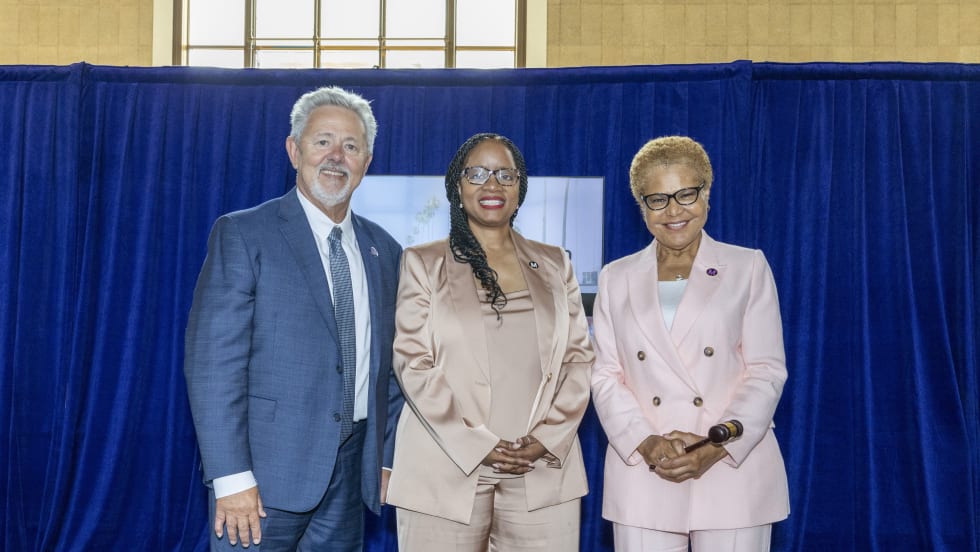
LA Metro Marks Banner Year, Sets Ambitious Goals for New Fiscal Year
Incoming LA Metro Board Chair and Los Angeles Mayor Karen Bass joined outgoing Board Chair Fernando Dutra and LA Metro CEO Stephanie Wiggins to review accomplishments from fiscal year 2026, which included the opening of new rail extensions, advancement of major transit projects, expanded safety programs, and new rider amenities.
Read More →
Building the Next Generation of Transit Technology
In this edition of METROspectives, Luminator CEO Magnus Friberg discusses the company's transformation, the growing role of AI and software, and what's next for transit technology.
Read More →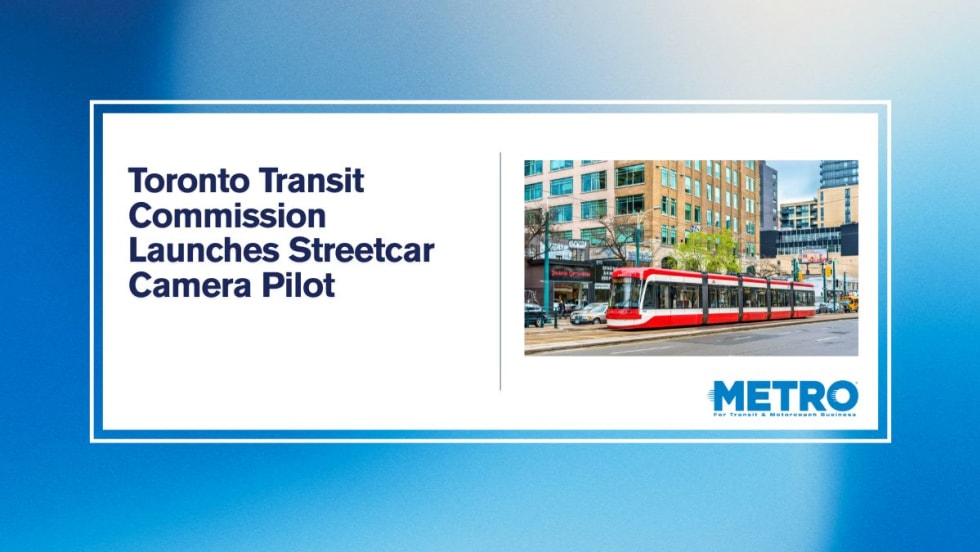
TTC Launches Camera Pilot to Curb Illegal Passing of Streetcars
During the pilot, the cameras will measure how often illegal streetcar passing occurs and test the technology's reliability for future automated enforcement.
Read More →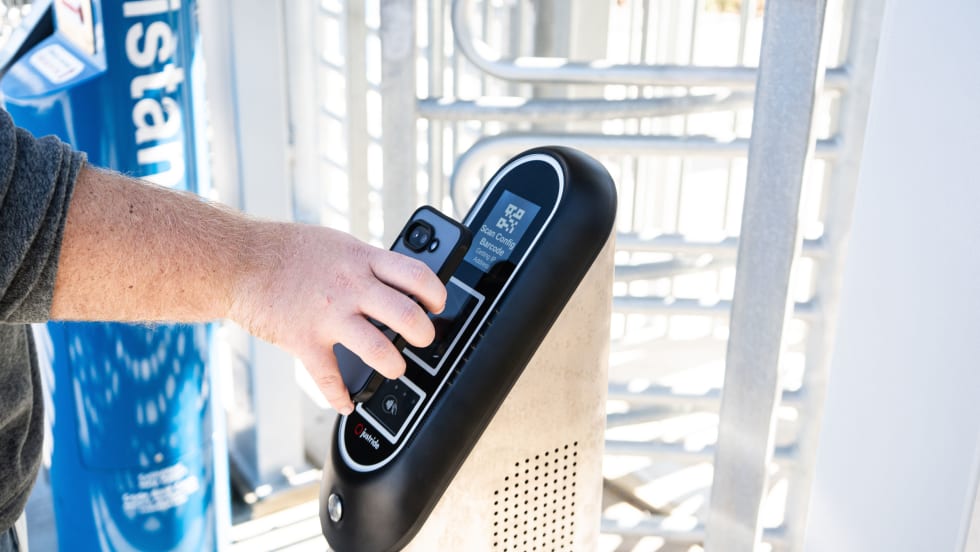
Biz Briefs: Masabi Teams with St. Louis Metro and More
In METRO's latest installment, we take a look at recent news from Transdev, Hitachi, and more partnerships making headlines across the transportation sector.
Read More →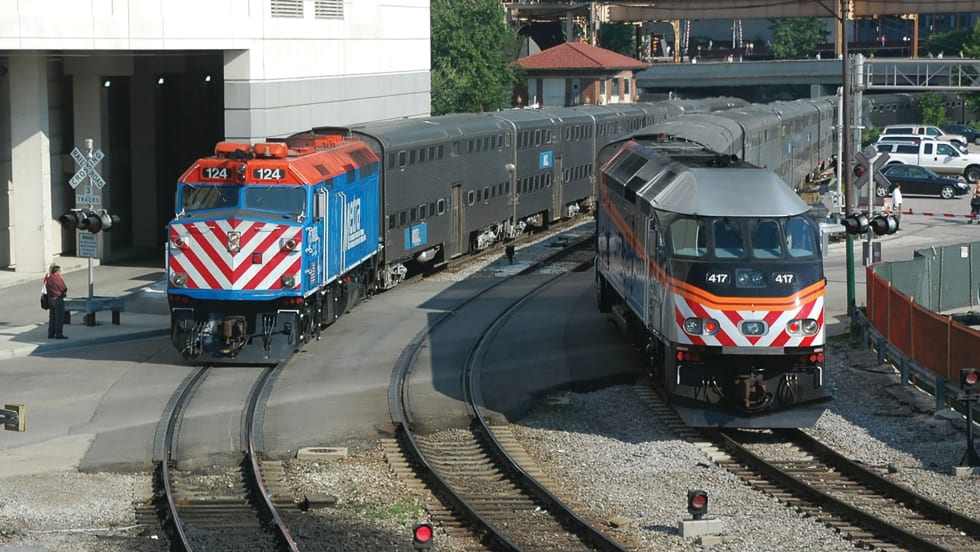
Metra Begins Drone Pilot Project to Boost Safety and Security
The project is funded through a $620,000 grant from FEMA’s Transit Security Grant Program, which provides transit agencies with funding for projects intended to protect critical transportation infrastructure and the traveling public.
Read More →
Building the Next Generation of Transit Technology
In this edition of METROspectives, Luminator CEO Magnus Friberg discusses the company's transformation, the growing role of AI and software, and what's next for transit technology.
Read More →
APTA Recognizes Excellence in Rail Safety and Security at 2026 Rail Conference
Nominations are evaluated on four criteria: effectiveness, benefit level, innovation, and transferability.
Read More →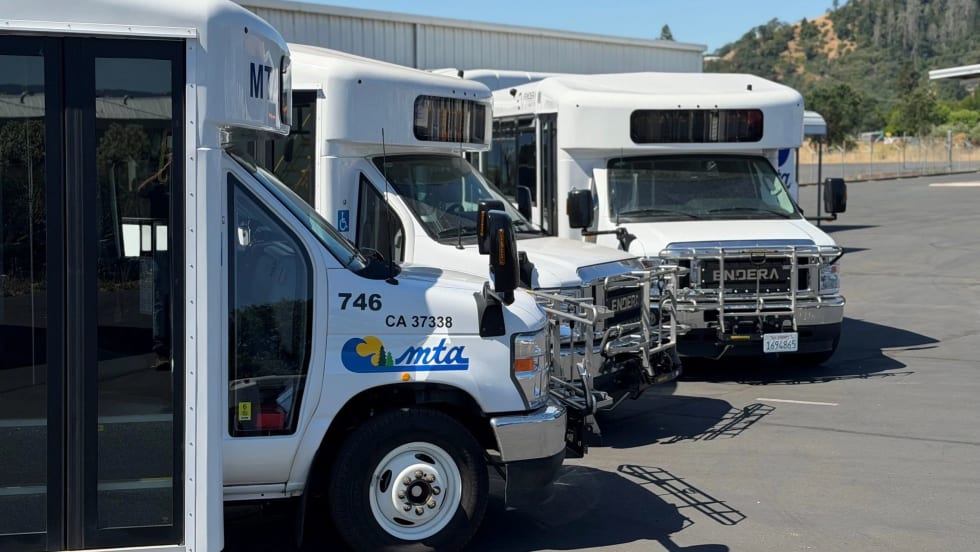
Biz Briefs: Endera Delivers to California, Safety Vision Teams with San Antonio's VIA, and More
From manufacturers and suppliers to transit agencies and motorcoach operators, these updates offer a snapshot of the projects, partnerships and business moves driving the industry forward.
Read More →
The Role of AI in Public Safety for Smart Transit Systems
As transit systems generate more data than ever, AI-powered safety tools are helping agencies detect incidents faster, improve response times and enhance situational awareness.
Read More →