



Denver RTD, Lyft and Zipcar launch 'Ditch Your Car' program
Denver residents will be able to register for the opportunity to receive $751 of transportation credit toward the use of Lyft, Zipcar, and RTD.

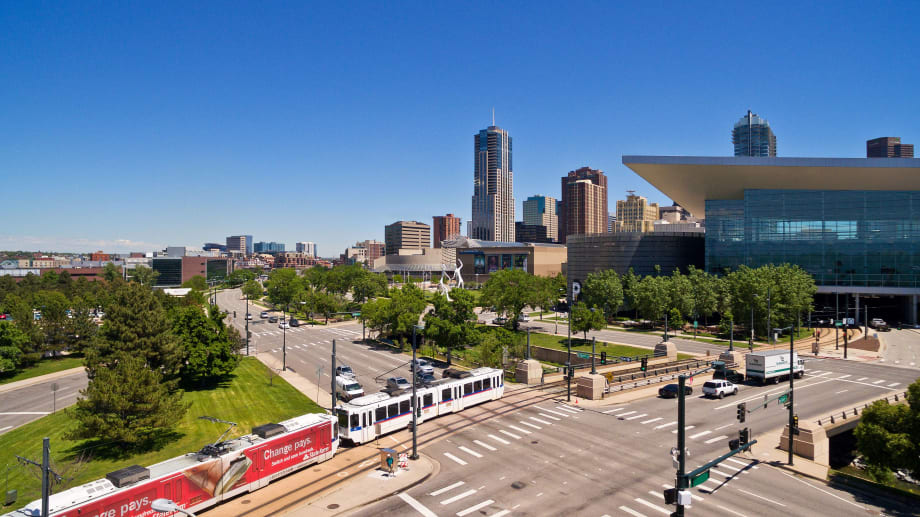
This initiative in Denver is part of a national effort by Lyft and its partners to encourage and make easier the transition to the sole use of public transit, and to further explore the tools available in an exploding sharing economy.
Denver RTD
This initiative in Denver is part of a national effort by Lyft and its partners to encourage and make easier the transition to the sole use of public transit, and to further explore the tools available in an exploding sharing economy.
Denver RTD
Lyft, Denver’s Regional Transportation District (RTD), and Zipcar launched “Ditch Your Car,” a program offering transportation credit to each of 50 people who pledge to give up their cars for 30 days, Oct. 8 to Nov. 6, in favor of getting around town via shared Lyft rides, Lyft Scooters, RTD vehicles, and Zipcar.
Ride-sharing has already changed the way Denverites depend on owning a car, and now it’s time to take an even bolder step toward realizing a new future of mobility.
Starting today, Denver residents will be able to register for the opportunity to receive $751 of transportation credit toward the use of Lyft, Zipcar, and RTD.
The challenge carries a total value for 50 participants of $37,550. This initiative in Denver is part of a national effort by Lyft and its partners to encourage and make easier the transition to the sole use of public transit, and to further explore the tools available in an exploding sharing economy.
“The way that people move around cities is changing faster than ever, and we’re excited to challenge Denver residents to change their habits and give up their car for a month,” said Gabe Cohen, Rockies Region GM for Lyft. “Lyft alone is not the solution to overcome transportation hurdles, but by partnering with RTD and Zipcar, we’re able to create a full menu of mobility options for Denver residents.”
Cohen added that Lyft believes cities should be built around people, not cars or parking lots. Using a mix of multimodal options, it’s possible to rework cities and ditch personal cars. Lyft is committed to being a part of the solution to reduce congestion, carbon footprint, and the pain points of personal car ownership in Denver.
"The mobility opportunities taking place in transit at a national level are unprecedented, with providers everywhere determining how their services fit into a broader delivery picture that meets the needs of riders," said RTD CEO/GM Dave Genova. "As a regional provider, our agency is uniquely positioned to be the mobility integrator for the Denver metro region. The future of mobility hinges on our ability to work together. We are excited to partner with Lyft on this initiative and will be eager to glean new insights from this collaboration that stand to benefit all involved – foremost being the public we serve."
More New Mobility

From Hardware to Digital Partner: Luminator Charts Its Next Chapter
CEO Magnus Friberg discusses Luminator’s shift toward becoming a digital partner, the growing importance of software and interoperability, and how AI can help agencies improve operations and passenger experience.
Read More →
Biz Briefs: Alstom Lands Canadian Contract, LYT to Supply California TSP, and More
In METRO's latest installment, we take a look at recent news from Complete Coach Works, Beep, FlixBus, and more partnerships making headlines across the transportation sector.
Read More →
CharterUP’s Armir Harris on Technology, AI, and the Future of Group Mobility
In a recent episode of METROspectives, CharterUP Founder/CEO Armir Harris discussed the company’s evolution from an online charter bus marketplace into a technology platform supporting public- and private-sector mobility and much more.
Read More →
Jacksonville’s NAVI Project Charts a New Course for Autonomous Public Transportation
Through its NAVI program, JTA is showing how autonomous vehicles, intelligent infrastructure, and coordinated operations can work together to deliver everyday public transportation.
Read More →
Biz Briefs: Luminator Marks Milestone and More
From manufacturers and suppliers to transit agencies and motorcoach operators, these updates offer a snapshot of the projects, partnerships and business moves driving the industry forward.
Read More →
New Tricks for Old Bureaucracies: Joshua Schank on Making Transit Innovation Stick
Former LA Metro Chief Innovation Officer Joshua Schank discusses why good ideas aren't enough, how transit agencies can overcome resistance to change, and why today's challenges demand more innovation.
Read More →
How DART's GoPass Is Redefining Regional Mobility
Serving 14 transit agencies, GoPass simplifies multimodal travel by allowing riders to plan, pay for, and manage an entire trip through one app.
Read More →
Biz Briefs: OCTA Taps Clean Energy for Hydrogen Station, Stadler to Supply Via Rail Vehicles, and More
From manufacturers and suppliers to transit agencies and motorcoach operators, these updates offer a snapshot of the projects, partnerships and business moves driving the industry forward.
Read More →CharterUP Expands Into New Mobility and Autonomous Transportation
Vice President of New Mobility Stephen Joos discusses how CharterUP is leveraging its nationwide transportation network, technology platform, and autonomous vehicle partnerships to expand into workforce mobility, campus shuttles, and transit solutions.
Read More →
METRO Magazine Announces 2026 Innovative Solutions Awards Winners
Projects Recognized for Advancing Mobility Through Technology, Accessibility, Workforce Innovation, and Operational Excellence
Read More →