



Denver RTD's workforce program wins FTA grant
WIN will use the grant, part of the FTA’s 2015 Innovative Public Transportation Workforce Development Program, to build on existing strategies to recruit participants from underserved communities and implement a mentorship initiative for other public transportation agencies interested in learning from RTD’s experience.

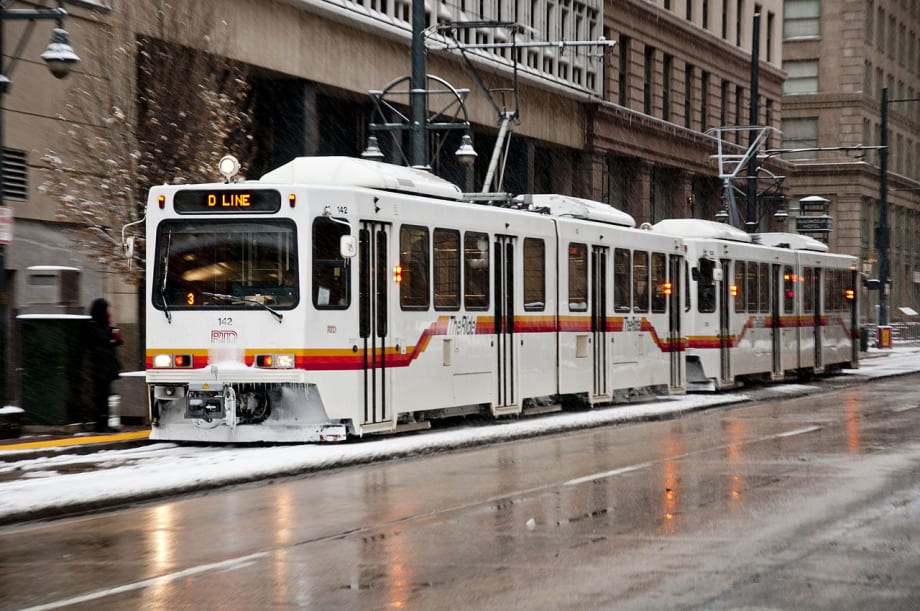
RTD D Line Light Rail Vehicle
RTD D Line Light Rail Vehicle
Workforce Initiative Now (WIN), pioneered by the Denver Regional Transportation District (RTD), was awarded nearly $700,000 in Federal Transit Administration (FTA) Ladders of Opportunity funding to strengthen efforts to train Coloradans for long-term careers in the transportation industry.
RTD is among 17 public agencies awarded a combined $9.5 million in FTA grant funding to advance workforce development initiatives to train, employ and support workers seeking jobs on large transportation infrastructure projects and in maintenance and operations after they are completed.
WIN will use the grant, part of the FTA’s 2015 Innovative Public Transportation Workforce Development Program, to build on existing strategies to recruit participants from underserved communities and implement a mentorship initiative for other public transportation agencies interested in learning from RTD’s experience.
The FTA administers the grant program through its Ladders of Opportunity initiative, which funds significant regional or national public transportation workforce development projects.
As part of the competitive Ladders of Opportunity grant application process, WIN submitted a proposal titled “Building the Path, WIN 2.0,” which aims to expand the program’s training and career pathways for current, prospective and future participants.
The proposal also provides for the development of resources and practical tools for other public transportation agencies interested in establishing similar programs.
Since its 2011 inception, WIN has recruited, trained and placed more than 300 workers from underserved communities on FasTracks transit expansion and transit-oriented communities (TOC) projects across the Denver metro region.
As WIN moves forward, it will focus on training workers who can help maintain RTD’s bus and rail services and the agency’s general operations.
Once accepted into the workforce development program, WIN participants receive career guidance, planning, training, job placement and other support services.
Employer services include recruitment, prescreening, customized training, community outreach and a higher employee retention rate attributed to ongoing career coaching and on-the-job training.
In learning of the new FTA grant, WIN Manager Martell Dyles attributed the program’s success to its strategy to capitalize on RTD’s investments in public transportation infrastructure and WIN’s collaboration with a network of 58 community, higher education and business partners.
WIN’s employer and training network includes founding partners Denver Transit Partners, RTD's concessionaire on the Eagle P3 Project, which is building out three commuter rail lines under the FasTracks program, Community College of Denver and the Urban League of Metro Denver.
More Management
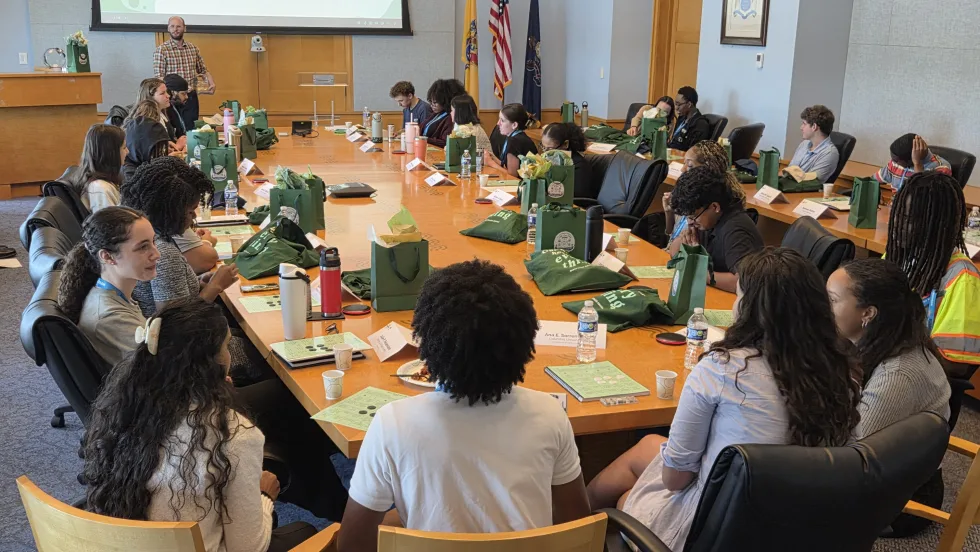
7 Ways to Build a Better Transit Internship
Lessons from DRPA/PATCO’s approach to creating a meaningful internship experience—and developing the next generation of transportation professionals.
Read More →
Scenes from APTA TRANSform & EXPO 2026
Transit leaders, manufacturers, and industry professionals gathered in Chicago to explore new technologies, share ideas, and discuss the future of public transportation.
Read More →
Building Stronger Leaders, More Resilient Transit Teams
Dr. Carol Parker Walsh discusses leadership development, employee retention, workplace culture, and preparing transit’s workforce for AI and automation.
Read More →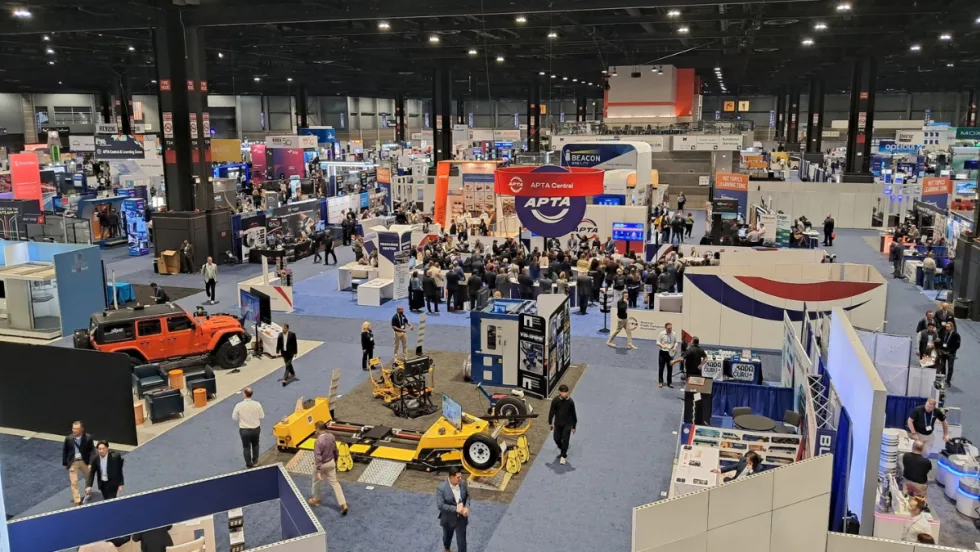
APTA 2026 TRANSform & EXPO Kicks Off in Chicago
After 45 years, APTA returns to Chicago with a focus on next-generation fleets, AI, connected transit networks, and the funding strategies shaping public transportation’s future.
Read More →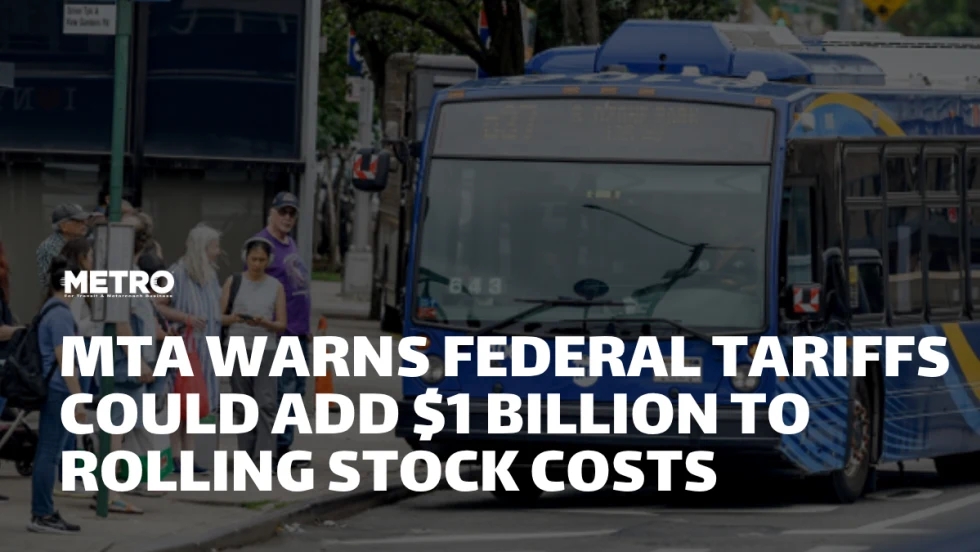
New York MTA Warns Federal Tariffs Could Add $1 Billion to Rolling Stock Costs
The agency said tariffs on specialized imported components could reduce the purchasing power of its $23 billion investment in new subway cars, railcars, and buses.
Read More →
From the Show Floor: What Happened at APTA TRANSform & EXPO 2026
See the latest product launches, partnerships, technology updates, and transit industry announcements from APTA TRANSform & EXPO in Chicago.
Read More →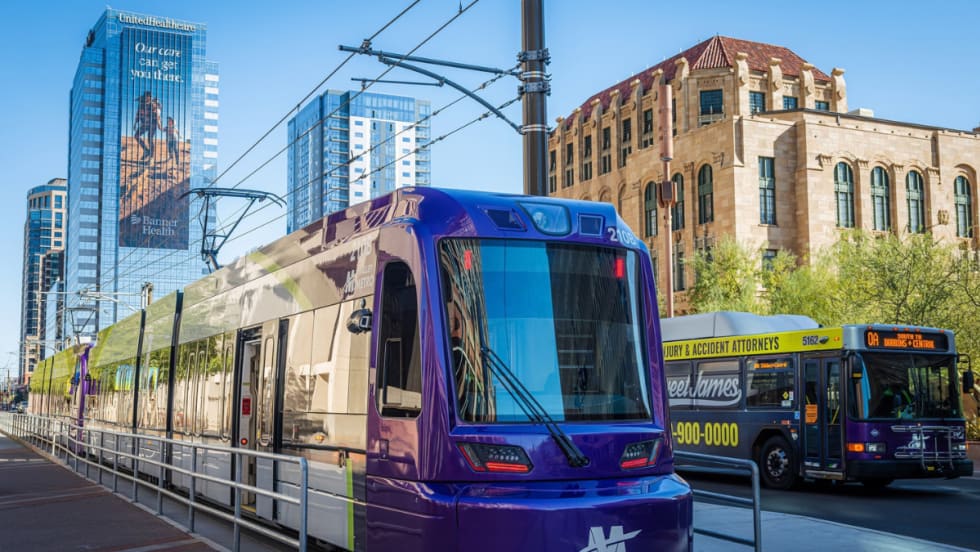
How Valley Metro Is Balancing Transit Growth With the Rider Experience
The APTA award-winning agency is pairing rapid system expansion with investments in workforce, safety, technology, and the fundamentals of transit service.
Read More →
Bus Tech Talk: Keeping Transit Technicians Ahead of the Technology Curve
In this episode of Bus Tech Talk, Complete Coach Works’ Business Development Manager Mark Hollenbeck and METRO’s Executive Editor Alex Roman sit down with Obed Mejia, Senior Technical Trainer for Bus Maintenance, at LA Metro to discuss how rapidly evolving bus technology is changing the maintenance shop — and the skills technicians need to keep pace.
Read More →
Michael Schneider Joins Paslay Group to Expand Transportation Practice
The longtime transportation executive will help Paslay Group grow its advisory and program management work across transit, highway, and other infrastructure sectors.
Read More →
People Movement: Connectpoint Expands Leadership Team, Stadler Names New Group CEO, and More
In this edition, we also spotlight recent personnel moves at Burns, UZURV, and more, highlighting the people taking on new roles across the transportation industry.
Read More →