



RELATED: Scooter use in cities is skyrocketing, but are they safe?
E-scooters show alarming spike in injuries, study says
The number of scooter-related injuries and hospital admissions in the U.S. grew by 222 percent between 2014 and 2018.
by By Elizabeth Fernandez
January 9, 2020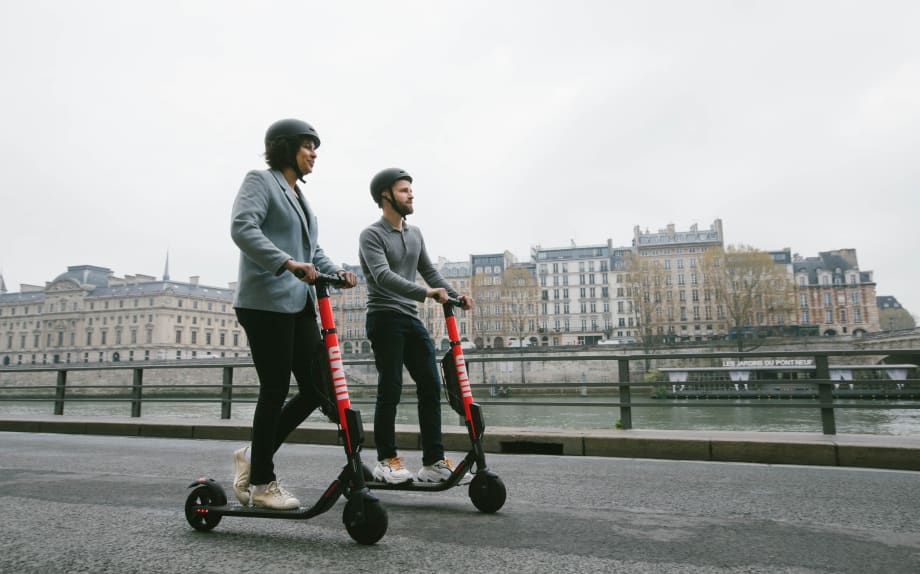
A UC San Francisco study has found a major surge of injuries related to scooters, particularly among young adults. Jump
3 min to read
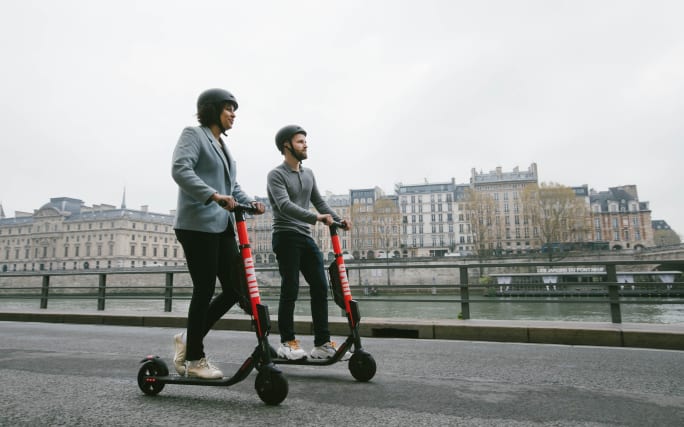
Regulatory oversight is largely absent about where people can ride scooters and whether helmets are mandatory, according to a new study. Jump
Electric scooters are increasingly part of the crowded urban landscape, but a UC San Francisco study has found a major surge of injuries related to scooters, particularly among young adults.
The number of scooter-related injuries and hospital admissions in the U.S. grew by 222 percent between 2014 and 2018 to more than 39,000 injuries, while the number of hospital admissions soared by 365 percent to a total of nearly 3,300, according to the study.
Nearly a third of the patients suffered head trauma – more than twice the rate of head injuries to bicyclists. About a third of the e-scooter injuries were to women, and people between the ages of 18 and 34 were the most often injured for the first time in 2018.
The UCSF team had previously looked at bicycle injuries using the same data set and found scooter riders had a higher proportion of head injuries, which was also identified in this study.
There was a high proportion of people with head injuries, which can be very dangerous,” said Breyer, an associate professor of urology and chief of urology at UCSF partner hospital Zuckerberg San Francisco General Hospital and Trauma Center. “Altogether, the near doubling of e-scooter trauma from 2017 to 2018 indicates that there should be better rider safety measures and regulation.”
As motorized scooters have become more ubiquitous in the last few years, particularly within the country’s biggest cities and suburbs, health officials and medical experts across the country grew increasingly alarmed by the number of fractures, dislocations and head injuries appearing in trauma centers. Regulatory oversight is largely absent about where people can ride scooters and whether helmets are mandatory: Previous research showed that only a fraction of injured e-scooter riders (ranging from 2 percent to about 5 percent) wore helmets when they were hurt.
In the new study, the UCSF researchers used data from the National Electronic Injury Surveillance System on national estimates of injuries related to emergency room visits.

Study authors urge that helmets should be worn, and e-scooter manufacturers should encourage helmet use by making them more easily accessible. Jump
They found that a total of nearly 40,000 injuries occurred from powered scooters in the U.S. between 2014 and 2018. The study found that the rate of scooter accidents also increased, from 6 per 100,000 people in 2014 to 19 per 100,000 in 2018. The most common injuries were fractures (27 percent), contusions and abrasions (23 percent), and lacerations (14 percent).
Over the study period, urban hospitals received the highest proportion of patients (78 percent) compared to rural (20 percent) and children’s hospitals (2 percent).
The authors note that the actual incidence of e-scooter trauma may be underestimated because cases with unclear scooter types were excluded from the study, and some riders likely did not go to the emergency department despite their injuries. Future research into pedestrian and cyclist trauma associated with e-scooter use is needed, the authors said.
“It’s been shown that helmet use is associated with a lower risk of head injury,” said first author Nikan K. Namiri, medical student at the UCSF School of Medicine. “We strongly believe that helmets should be worn, and e-scooter manufacturers should encourage helmet use by making them more easily accessible.”
The study appears Jan. 8 in JAMA Surgery.
More New Mobility

From Hardware to Digital Partner: Luminator Charts Its Next Chapter
CEO Magnus Friberg discusses Luminator’s shift toward becoming a digital partner, the growing importance of software and interoperability, and how AI can help agencies improve operations and passenger experience.
Read More →
Biz Briefs: Alstom Lands Canadian Contract, LYT to Supply California TSP, and More
In METRO's latest installment, we take a look at recent news from Complete Coach Works, Beep, FlixBus, and more partnerships making headlines across the transportation sector.
Read More →
CharterUP’s Armir Harris on Technology, AI, and the Future of Group Mobility
In a recent episode of METROspectives, CharterUP Founder/CEO Armir Harris discussed the company’s evolution from an online charter bus marketplace into a technology platform supporting public- and private-sector mobility and much more.
Read More →
Jacksonville’s NAVI Project Charts a New Course for Autonomous Public Transportation
Through its NAVI program, JTA is showing how autonomous vehicles, intelligent infrastructure, and coordinated operations can work together to deliver everyday public transportation.
Read More →
Biz Briefs: Luminator Marks Milestone and More
From manufacturers and suppliers to transit agencies and motorcoach operators, these updates offer a snapshot of the projects, partnerships and business moves driving the industry forward.
Read More →
New Tricks for Old Bureaucracies: Joshua Schank on Making Transit Innovation Stick
Former LA Metro Chief Innovation Officer Joshua Schank discusses why good ideas aren't enough, how transit agencies can overcome resistance to change, and why today's challenges demand more innovation.
Read More →
How DART's GoPass Is Redefining Regional Mobility
Serving 14 transit agencies, GoPass simplifies multimodal travel by allowing riders to plan, pay for, and manage an entire trip through one app.
Read More →
Biz Briefs: OCTA Taps Clean Energy for Hydrogen Station, Stadler to Supply Via Rail Vehicles, and More
From manufacturers and suppliers to transit agencies and motorcoach operators, these updates offer a snapshot of the projects, partnerships and business moves driving the industry forward.
Read More →CharterUP Expands Into New Mobility and Autonomous Transportation
Vice President of New Mobility Stephen Joos discusses how CharterUP is leveraging its nationwide transportation network, technology platform, and autonomous vehicle partnerships to expand into workforce mobility, campus shuttles, and transit solutions.
Read More →
METRO Magazine Announces 2026 Innovative Solutions Awards Winners
Projects Recognized for Advancing Mobility Through Technology, Accessibility, Workforce Innovation, and Operational Excellence
Read More →