



EAO offers globally recognized HMI components, systems for rail
Intuitive operation with interface controls allow operators to work effectively and efficiently, and help ensure a safe and comfortable journey for passengers.

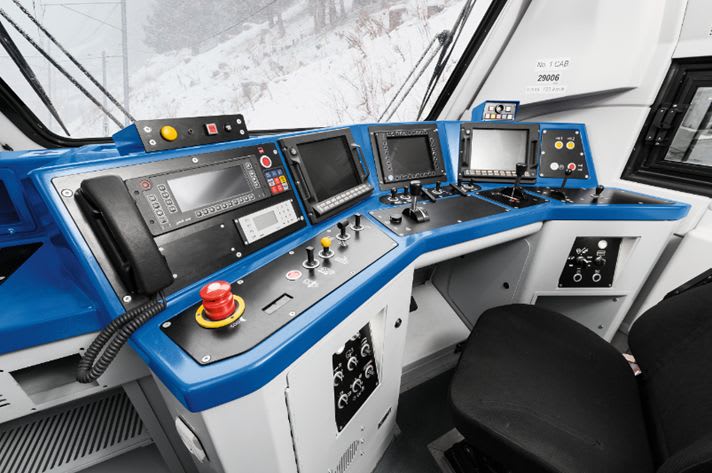
Driver cabs are the central focus of operation within rail applications and are essential for the safe and reliable transportation of passengers. Therefore, HMI systems and controls must be dependable and easy-to-use to reduce the risk of human error. Photo: EAO
Driver cabs are the central focus of operation within rail applications and are essential for the safe and reliable transportation of passengers. Therefore, HMI systems and controls must be dependable and easy-to-use to reduce the risk of human error. Photo: EAO
EAO offers intuitive and reliable HMI components and systems for the passenger transportation industry. With value-added partners across all markets, EAO possesses the resources to satisfy the certifications, approvals and legally applicable standards necessary for operator controls in driver cabs, passenger access, passenger convenience and lavatory controls within successful rail applications.
EAO’s Series 04 have been developed to withstand the challenging demands of operator controls within driver cabs and can be seamlessly implemented in ergonomically-friendly designs to fulfil UIC 612 guidelines.
Furthermore, products such as the Series 56 and 57 meet TSI PRM & ADA standards, and the new EN 14752, thus ensuring that everyone can travel safely and conveniently — including those with disabilities. These door openers are used in millions of passenger access applications around the world and are often the only point of interaction between passenger and vehicle.
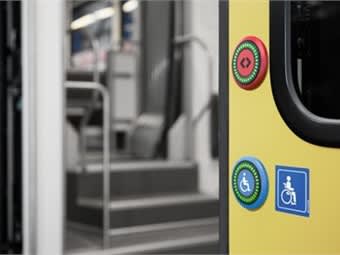
Door openers are used in millions of passenger access applications around the world and are often the only point of interaction between passenger and the rail vehicle. Photo: EAO
EAO’s comprehensive range of HMI solutions, both with individual components and completely designed systems, satisfy customer requirements while simultaneously increasing passenger convenience. Intuitive operation with interface controls allow operators to work effectively and efficiently, and help ensure a safe and comfortable journey for passengers.
The importance of regulation compliance for impaired mobility also extends to lavatory controls in most modern trains as well. EAO offers special accessory components such as SOS buttons and status indicators for on-board restrooms to meet these needs.
A detailed outline of EAO’s rail capabilities is available in EAO’s HMI Systems brochure available to view or download in the “News and Downloads” section at eao.com.
More Rail

ENC Lands MATA Contract and More in Biz Briefs
In this edition of Biz Briefs, we spotlight the latest developments shaping the future of mobility.
Read More →
Strada360’s Steve Lassey on Turning Transit Data Into Better Decisions
From breaking down data silos to preparing for AI, Strada360 CEO Steve Lassey discusses how transit agencies can use technology to improve operations, customer information, and long-term decision-making.
Read More →
SEPTA Details Accelerate Vision for Transit System
The plan outlines investments in trolley modernization, new Metro and Regional Rail vehicles, accessible stations, and more frequent bus and rail service.
Read More →
FTA Ends Direct Oversight of MBTA Safety Actions
The federal agency closed its remaining special directive to the Massachusetts Department of Public Utilities following a safety review that began in 2022.
Read More →
Amtrak, CN Reach Agreements to Strengthen Passenger Rail Service, Safety
The agreement resolves a more than decade-long proceeding before the Surface Transportation Board concerning the terms and conditions for Amtrak services, such as the City of New Orleans, Illini/Saluki, and Wolverine.
Read More →
New York MTA Advances Final Contract for Second Avenue Subway Expansion
Contract Four is the largest in the Second Avenue Subway Phase 2 project and includes construction of station infrastructure, tracks, and signals for the subway expansion, MTA officials said. Work on Contract Four will begin in 2027.
Read More →
San Diego MTS Breaks Monthly Trolley Ridership Record
Agency officials said July’s ridership indicates MTS’s continued recovery from the pandemic.
Read More →
Report Examines NJ TRANSIT Reliability, Funding Challenges
The Garden State Initiative analysis examines the roles of Amtrak infrastructure, fleet management, and agency operations while recommending a more performance-based approach to improving reliability.
Read More →
Stadler, CapMetro Sign Long-Term Rail Fleet Support Agreement
Beginning in 2027, Stadler will provide on-site technical expertise, spare parts support, training, and obsolescence management to help extend the reliability and longevity of CapMetro’s GTW fleet.
Read More →
Biz Briefs: Alstom Lands Canadian Contract, LYT to Supply California TSP, and More
In METRO's latest installment, we take a look at recent news from Complete Coach Works, Beep, FlixBus, and more partnerships making headlines across the transportation sector.
Read More →