



Firetide video system to equip Korean subway
When completed in June 2010, it will be the first real-time, high-bandwidth mobile wireless video surveillance subway system in Korea and the world, costing an estimated total of $60 million.

The Seoul Metropolitan Rapid Transit Corporation (SMRT) has selected Korea Telecom with GlobalTelecom as the subcontractor to deploy Firetide Inc.’s real-time wireless video surveillance technology in Seoul’s subway system.
After 198 people perished in the Daegu, Korea subway fire of 2003, the SMRT began investigating real-time wireless video surveillance systems to help protect their subway riders and transit workers against potential fires, accidents, thefts and other harmful incidents.
When completed in June 2010, it will be the first real-time, high-bandwidth mobile wireless video surveillance subway system in Korea and the world, costing an estimated total of $60 million.
The Seoul Metropolitan Subway, one of the most heavily used rapid transit systems in the world, is operated by four different organizations. The SMRT operates Seoul subway underground lines 5, 6, 7, and 8 with a ridership of 2,037,000 daily and involves a total of 201 subway trains at 148 stations.
After the Daegu fire, when an arsonist set fire to a car train stopped at the Jungangho station that then spread to a second train when it entered the station from the opposite direction, the SMRT wanted a system where the operators of the moving trains would have a video of the station being entered. That way the driver could decide not to enter the station in case of accidents or other problems such as a person on the track.
The ability to stream video from a station’s cameras to a monitor in a train moving at speeds of 50 mph was critical. Wireless mesh technology was the only option to transmit video to and from subway cars, as it provided seamless handoff and roaming along the fixed wireless infrastructure.
In competitive testing, Firetide was the only vendor to successfully complete the high-speed handover in the tests conducted in the subway between May and August of 2009, according to company officials. The subway environment is particularly harsh for RF communications because of the reflective metal surfaces, noise and vibrations, and high voltage electric power.
In addition to providing video surveillance from the station to train operators, the network will also provide video surveillance from inside of passenger trains to a monitoring center and video streaming of public announcements and commercial advertisements onto passenger train monitors.
More Rail
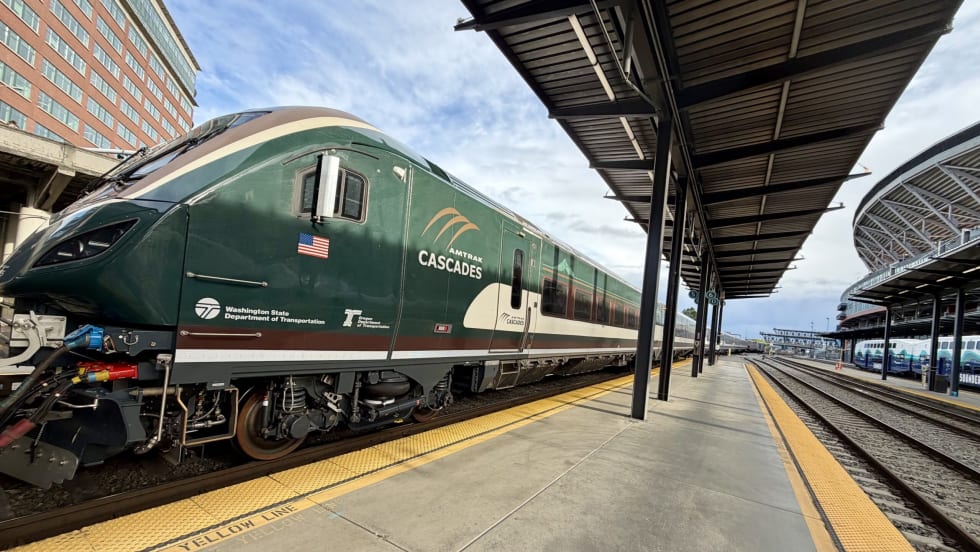
FRA Announces $5.3B in Rail Investments, Including $2B for Amtrak
Funding will support grade-crossing improvements, infrastructure upgrades, and new Amtrak equipment in 23 states.
Read More →
Finding the ‘Happy Medium’: Optimizing Maintenance Without Sacrificing Reliability
The key to maintenance optimization isn’t doing less work—it’s doing the right work at the right time on the right assets.
Read More →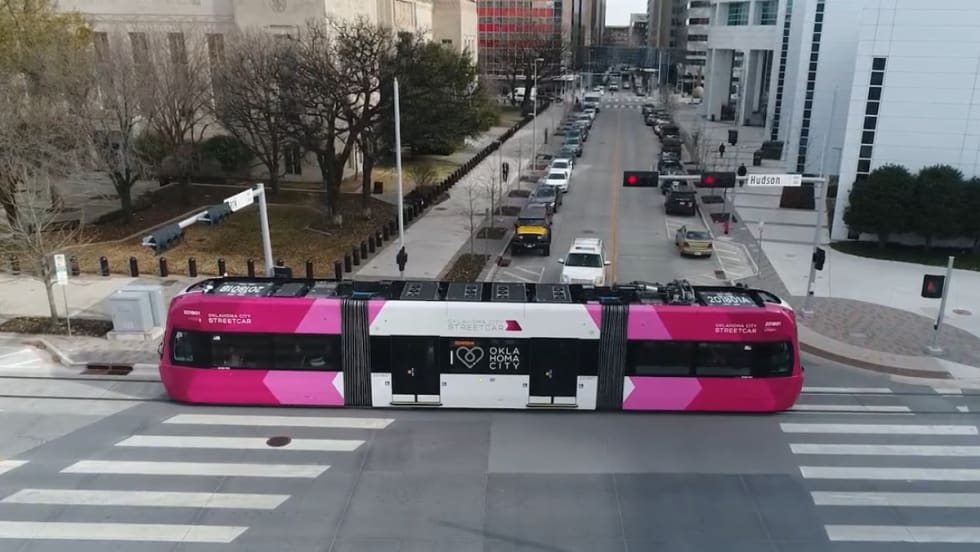
OKC Streetcar Makes Zero-Fare Service Permanent
Ridership increased an average of 71% compared with the same period a year earlier during the fare-free pilot.
Read More →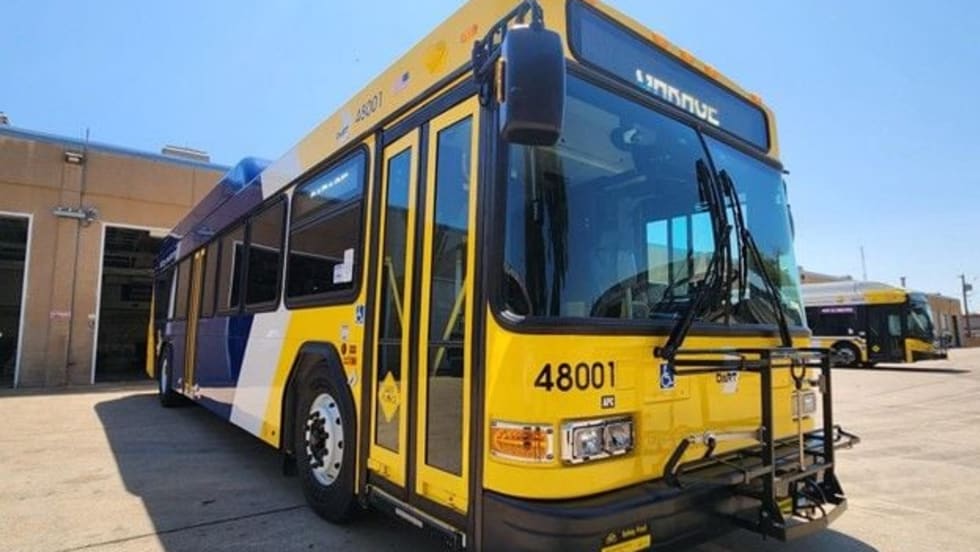
DART Customer Satisfaction Reaches Six-Year High
Overall satisfaction rose to 74.9%, while the agency’s Net Promoter Score reached a record 33.7.
Read More →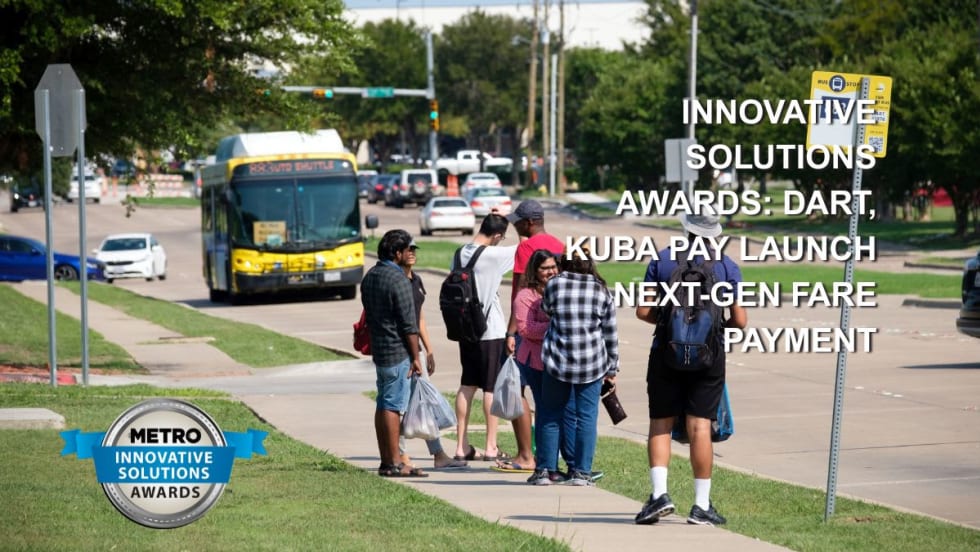
How DART's GoPass Is Redefining Regional Mobility
Serving 14 transit agencies, GoPass simplifies multimodal travel by allowing riders to plan, pay for, and manage an entire trip through one app.
Read More →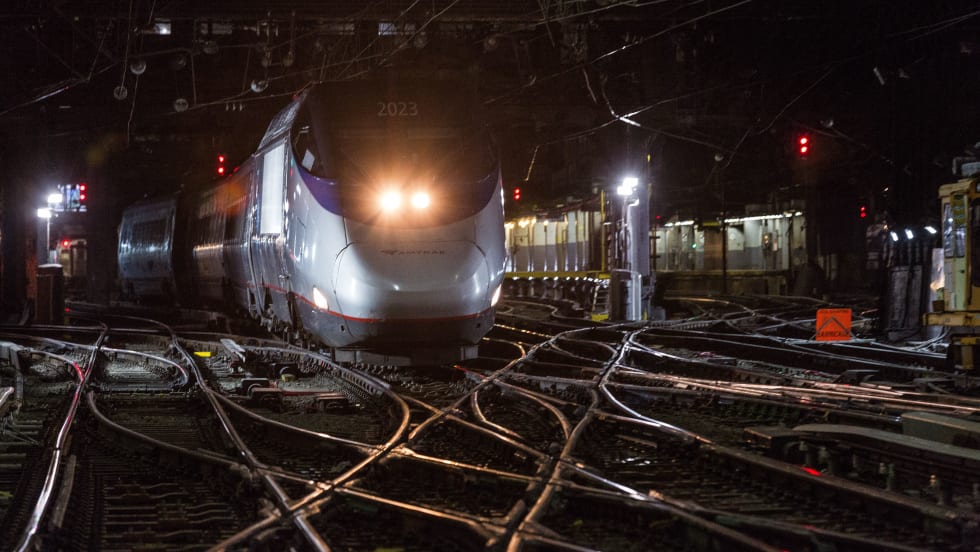
Amtrak Board Advances Plan to Restructure Organization, Seeks Public Input
The proposal, developed by Amtrak management and approved by the board for further consideration, is intended to modernize the organization's structure while improving accountability, operational efficiency, and customer service.
Read More →
Biz Briefs: STV teams with Amtrak, Motorcoach Operators Boost Fleet and Land Contracts, and More
From manufacturers and suppliers to transit agencies and motorcoach operators, these updates offer a snapshot of the projects, partnerships and business moves driving the industry forward.
Read More →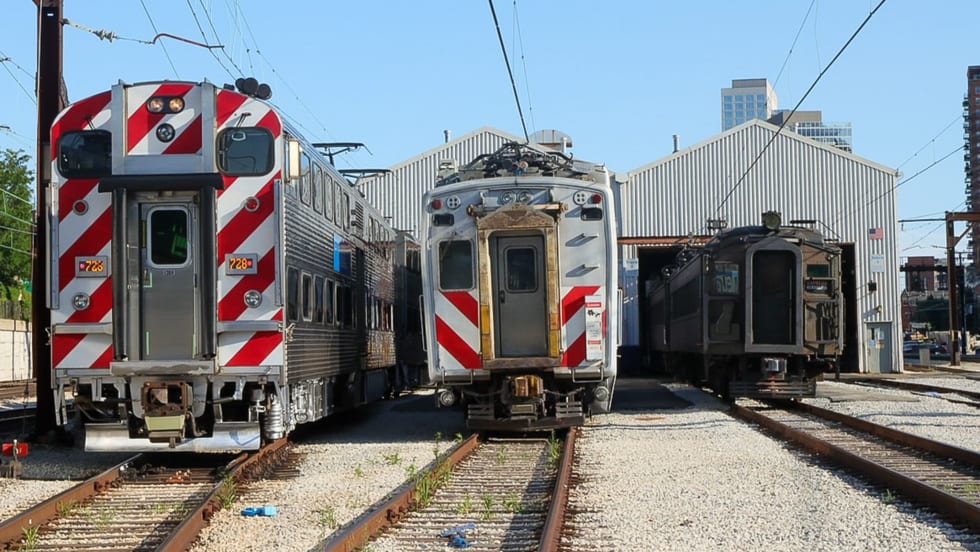
Metra Celebrates 100 Years of Electric Rail, Looks to the Future
The event was also a celebration of recent reforms to public transportation in the Chicago area, changes that could be as transformative in the future as the major civic achievement a century ago, said officials.
Read More →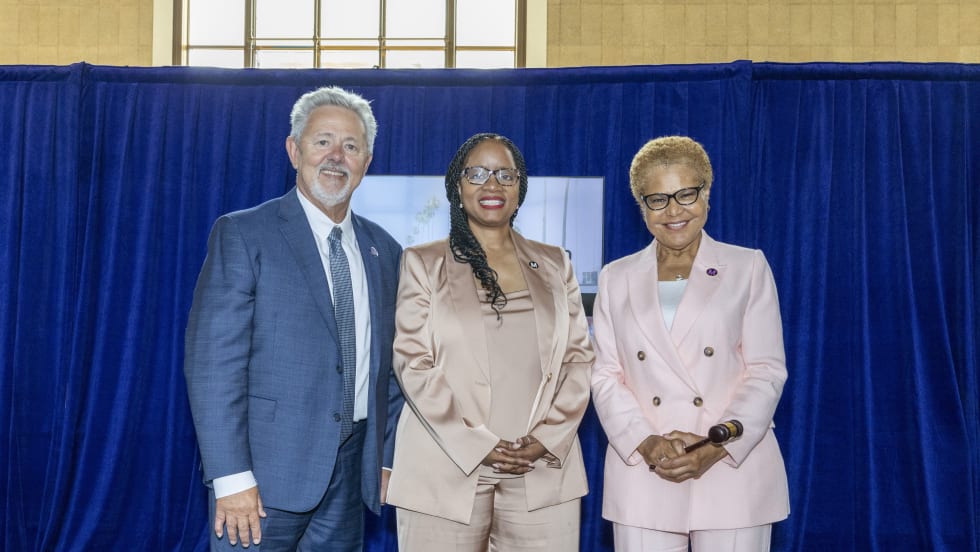
LA Metro Marks Banner Year, Sets Ambitious Goals for New Fiscal Year
Incoming LA Metro Board Chair and Los Angeles Mayor Karen Bass joined outgoing Board Chair Fernando Dutra and LA Metro CEO Stephanie Wiggins to review accomplishments from fiscal year 2026, which included the opening of new rail extensions, advancement of major transit projects, expanded safety programs, and new rider amenities.
Read More →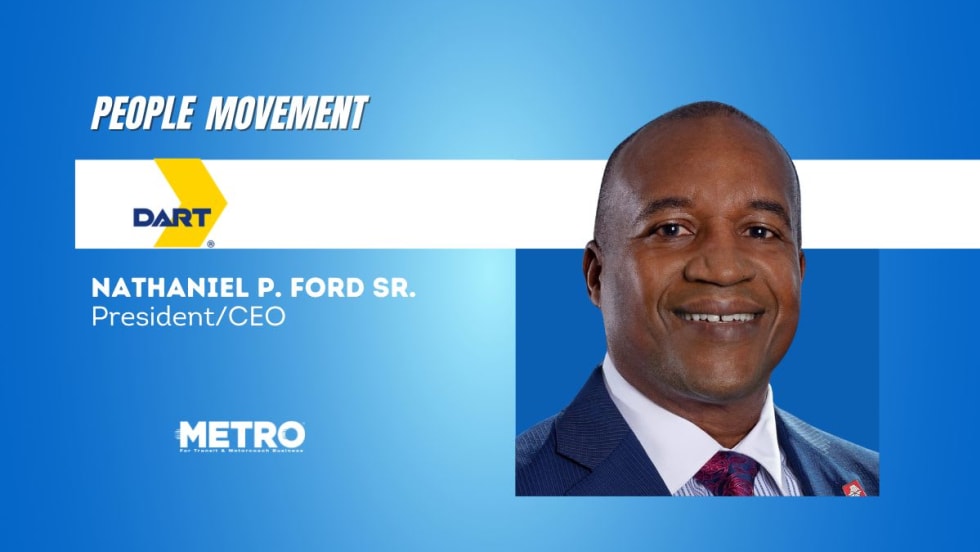
DART Taps Nathaniel P. Ford Sr. as Next President/CEO
Since 2012, Ford has served as the CEO of the Jacksonville Transportation Authority
Read More →