



FMCSA rulemaking to establish minimal driver training requirements
The negotiated rulemaking committee will examine minimum training requirements, including length of classroom instruction and behind-the-wheel experience, accreditation versus certification of CDL training programs and schools, curricula for passenger, property and hazardous materials carriers and instructor qualifications, as well as other areas.

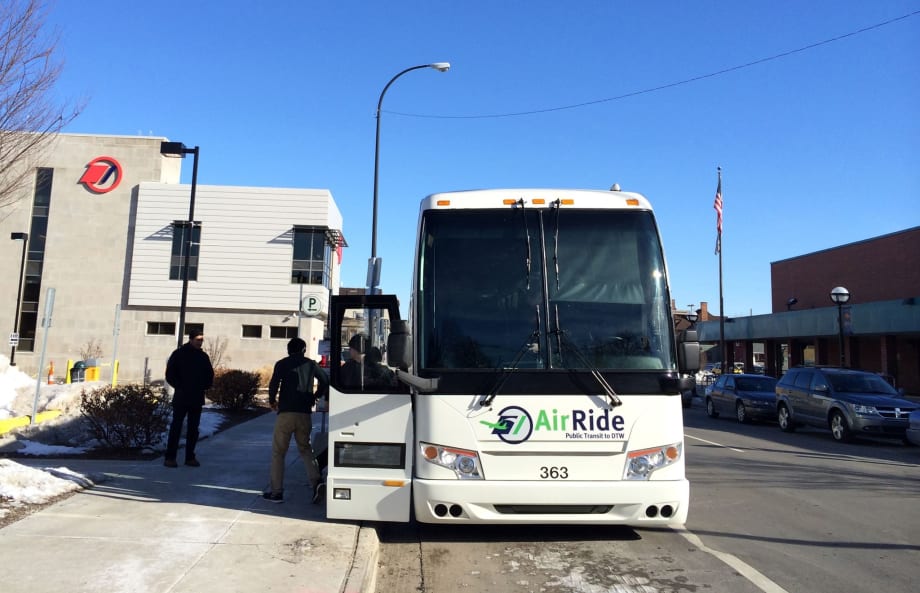
Courtesy Michigan Flyer

The Federal Motor Carrier Safety Administration (FMCSA) announced through a Federal Register notice that it is seeking comment from commercial driver and training organizations, truck and bus associations, motor carriers, state licensing and law enforcement agencies, labor unions, safety advocacy groups, insurance companies, and the public on recommendations for membership to a negotiated rulemaking committee on minimum training requirements for entry-level commercial drivers.
The Moving Ahead for Progress in the 21st Century Act (MAP-21) directs FMCSA to establish minimum training requirements for individuals seeking to obtain an intrastate or interstate commercial driver’s license (CDL) and become a professional truck or bus operator.
In August 2014, FMCSA announced by notice in the Federal Register that it retained a neutral convener and was exploring the possibility of proceeding with a negotiated rulemaking. The convener interviewed stakeholders and has recommended proceeding with a negotiated rulemaking. The report is available here.
The negotiated rulemaking committee will examine minimum training requirements, including length of classroom instruction and behind-the-wheel experience, accreditation versus certification of CDL training programs and schools, curricula for passenger, property and hazardous materials carriers and instructor qualifications, as well as other areas.
With the Federal Register notice, FMCSA is soliciting nominations for members of the negotiated rulemaking committee.
The agency seeks to ensure a wide range of candidates are considered to achieve a balanced committee. Persons who will be significantly affected and believe their interests will not be represented on the proposed committee are encouraged to nominate themselves or another person.
To view a copy of the Federal Register notice, click here.
More Motorcoach
Motorcoach Market Remains Flat Amid Shift in Buying Patterns
Q2 sales totaled 514 units, up slightly from 2025, as operators favored pre-owned equipment and public-sector purchases increased.
Read More →
Biz Briefs: OCTA Taps Clean Energy for Hydrogen Station, Stadler to Supply Via Rail Vehicles, and More
From manufacturers and suppliers to transit agencies and motorcoach operators, these updates offer a snapshot of the projects, partnerships and business moves driving the industry forward.
Read More →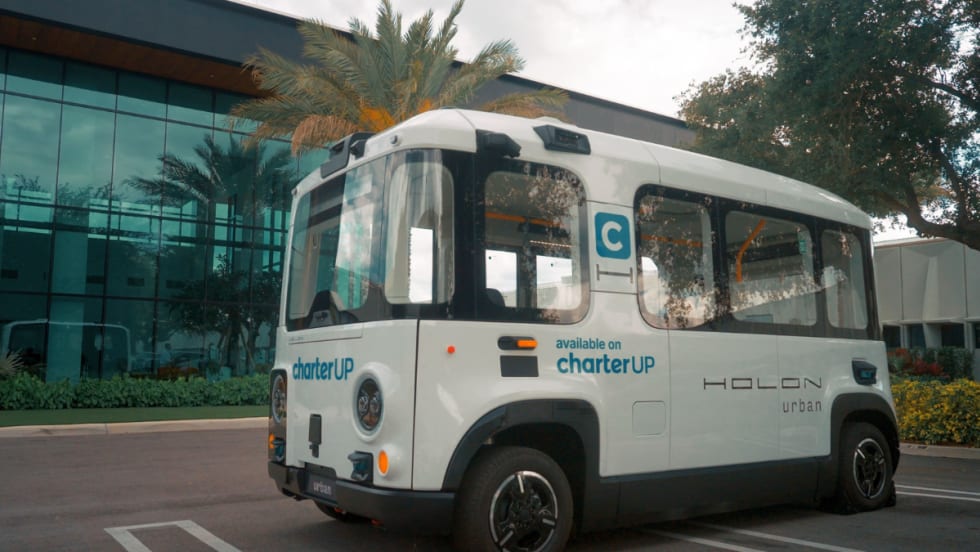
CharterUP Expands Into New Mobility and Autonomous Transportation
Vice President of New Mobility Stephen Joos discusses how CharterUP is leveraging its nationwide transportation network, technology platform, and autonomous vehicle partnerships to expand into workforce mobility, campus shuttles, and transit solutions.
Read More →
Biz Briefs: STV teams with Amtrak, Motorcoach Operators Boost Fleet and Land Contracts, and More
From manufacturers and suppliers to transit agencies and motorcoach operators, these updates offer a snapshot of the projects, partnerships and business moves driving the industry forward.
Read More →
EPA Proposal to Ease Diesel Emissions Compliance Could Improve Reliability for Motorcoach Operators
The EPA is proposing to remove DEF-related engine derates for new heavy-duty diesel vehicles, a change bus operators say would improve safety and reliability while sparking debate over the future of emissions enforcement.
Read More →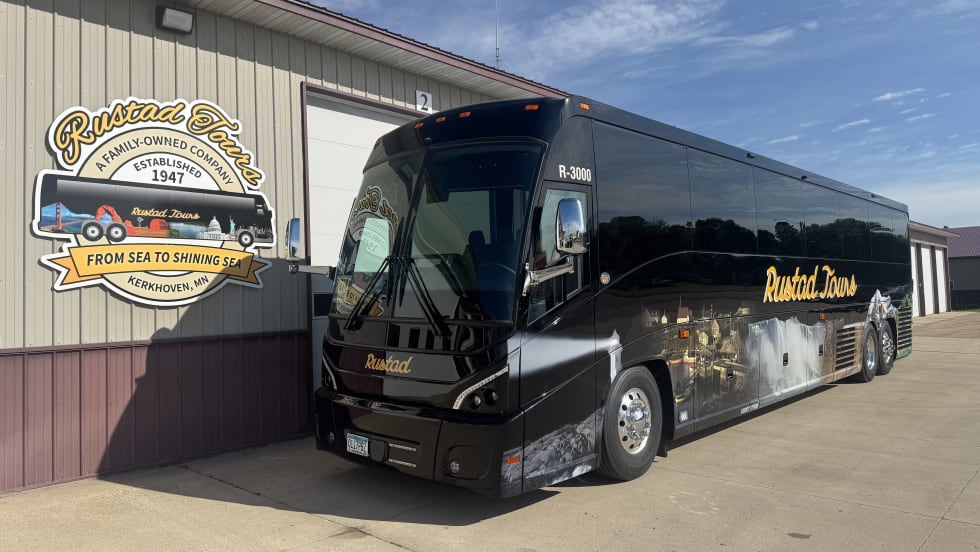
Minnesota's Rustad Tours Takes Delivery of New MCI Motorcoach
The latest addition represents Rustad Tours’ 17th new MCI coach, marking more than four decades of partnership between the two companies.
Read More →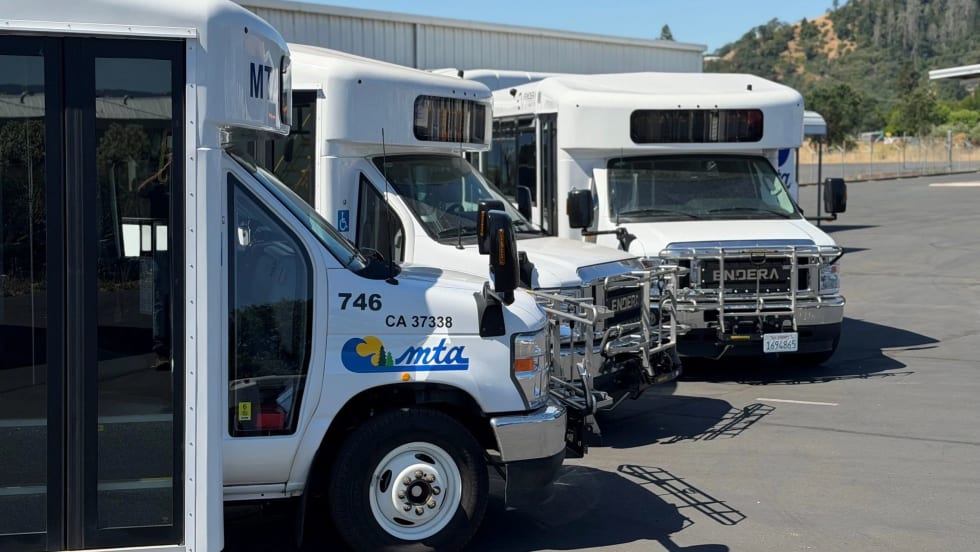
Biz Briefs: Endera Delivers to California, Safety Vision Teams with San Antonio's VIA, and More
From manufacturers and suppliers to transit agencies and motorcoach operators, these updates offer a snapshot of the projects, partnerships and business moves driving the industry forward.
Read More →
Modernizing Mobility with CharterUP CEO Armir Harris
From digital transformation to evolving customer demands, CharterUP's Armir Harris offers his perspective on the transportation industry's next chapter.
Read More →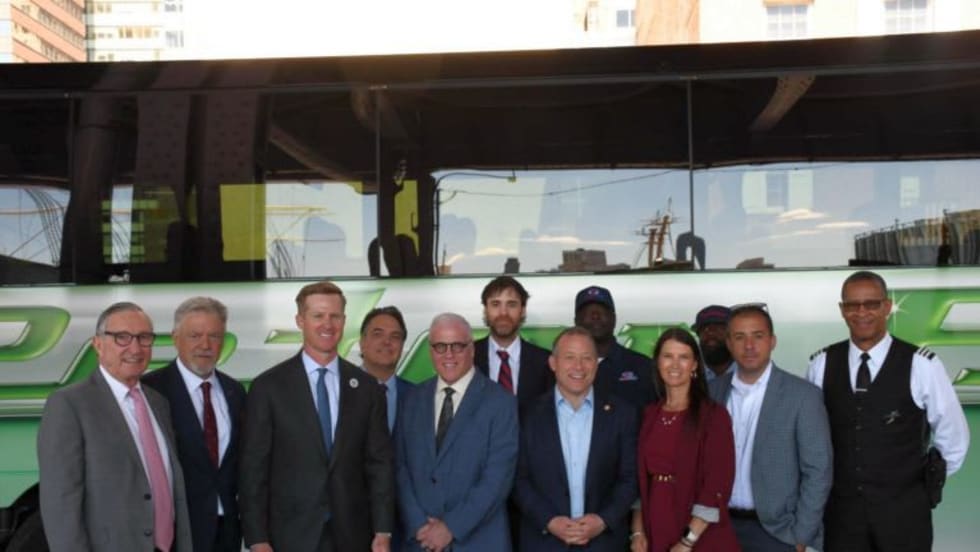
Bipartisan BUSES Act Seeks Changes to New York City's Bus Idling Enforcement Program
Backed by motorcoach operators, the legislation seeks to balance emissions goals with passenger safety by allowing limited idling for inspections, accessibility needs and extreme weather conditions.
Read More →
METROspectives: CharterUP CEO Armir Harris on Modernizing Mobility
From digital transformation to evolving customer demands, CharterUP's CEO Armir Harris offers his perspective on the transportation industry's next chapter.
Read More →