



FRA Announces Full Implementation of PTC on U.S. Railroads
The accomplishment encompasses thousands of hours of testing and deployment, innovative technological solutions, and a tremendous amount of coordination among nearly 100 host and tenant railroads, railroad associations, material suppliers, and service providers.

PTC systems are designed to prevent train-to-train collisions, over-speed derailments, incursions into established work zones, and movements of trains through switches left in the wrong position.
NCTD
The Federal Railroad Administration (FRA) announced that positive train control (PTC) technology is in operation on all 57,536 required freight and passenger railroad route miles, prior to the statutory deadline of Dec. 31, 2020, set by Congress. In addition, as required, FRA has certified that each host railroad’s PTC system complies with the technical requirements for PTC systems. Furthermore, railroads have reported that interoperability has been achieved between each applicable host and tenant railroad that operates on PTC-governed main lines.
PTC systems are designed to prevent train-to-train collisions, over-speed derailments, incursions into established work zones, and movements of trains through switches left in the wrong position. The announcement is the culmination of over a decade of sustained and direct engagement and collaboration among FRA and the 41 railroads subject to the statutory mandate, including seven Class I railroads, Amtrak, 28 commuter railroads, and five other freight railroads that host regularly scheduled intercity or commuter rail passenger service. The accomplishment encompasses thousands of hours of testing and deployment, innovative technological solutions, and a tremendous amount of coordination among nearly 100 host and tenant railroads, railroad associations, material suppliers, and service providers.
“On behalf of extraordinary professionals at FRA and myself, I congratulate the railroads, particularly their frontline workers, as well as PTC system suppliers and vendors on this transformative accomplishment,” said FRA Administrator Ronald L. Batory. “Furthermore, many industry associations, including the Association of American Railroads, American Short Line and Regional Railroad Association, American Public Transportation Association, Commuter Rail Coalition, National Railroad Construction and Maintenance Association, Railway Supply Institute, and Railway Systems Suppliers, have demonstrated an unwavering commitment to supporting this unprecedented undertaking.”
The Rail Safety Improvement Act of 2008 (RSIA) mandated the implementation of PTC systems on Class I railroads’ main lines over which five million or more gross tons of annual traffic and certain hazardous materials are transported, and on any main lines over which intercity or commuter rail passenger transportation is regularly provided. RSIA and FRA’s implementing regulations also require PTC systems to be interoperable, meaning that the locomotives of host and tenant railroads operating on the same main line must communicate with and respond to the PTC system, including during uninterrupted movements over property boundaries.
Finally, the U.S. Department of Transportation has supported full and timely implementation of PTC technology by providing approximately $3.4 billion in grant and loan funding to support railroads and other entities that sought Federal financial assistance for that purpose.
More Security and Safety

Transit Agencies Highlight Safety Gains at National Summit
Leaders from 15 major transit systems shared crime-reduction results and safety initiatives while discussing the role of continued federal support.
Read More →
DART Launches Major Security, Fare Enforcement Initiative
The 90-day demonstration will deploy coordinated security teams at five light rail stations while testing controlled access and gathering data to guide future investments.
Read More →
RTD Launches NextRide App to Consolidate Trip Planning, Fares, Security Reporting
The app expands on RTD’s existing NextRide web application and allows customers to view real-time vehicle locations and service alerts, purchase and store digital fares, and access customer support.
Read More →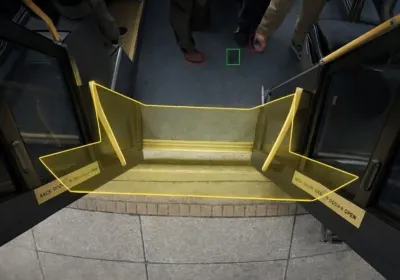
TAPTCO Updates OSHA Compliance Training for Transit Maintenance Operations
The revamped program addresses 26 OSHA standards for maintenance facilities, with TAPTCO pointing to training, documentation, and everyday shop hazards as continuing challenges for transit operations.
Read More →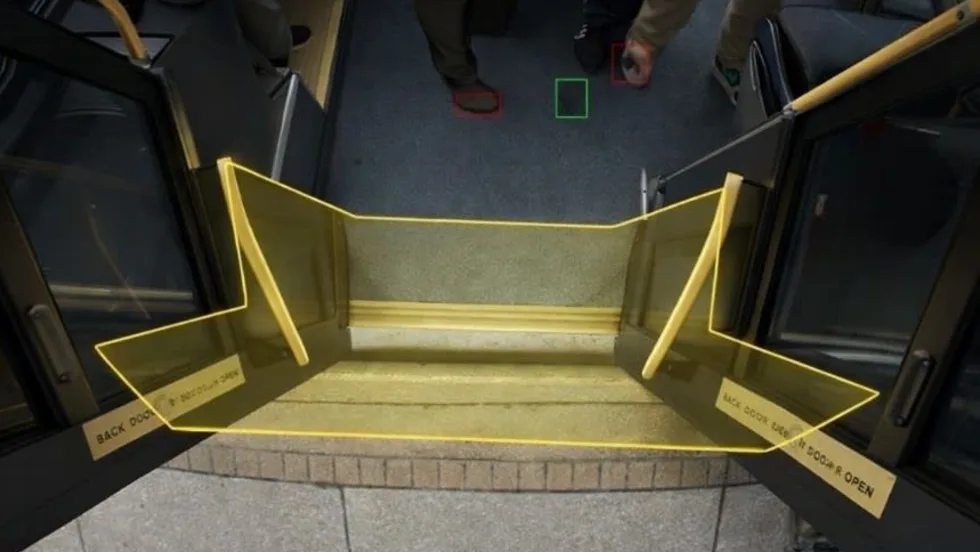
How VaporVision Adds Value to Transit Door Systems
Wabtec engineers explain how the system improves doorway detection, strengthens diagnostics and gives transit agencies and OEMs greater operating flexibility.
Read More →
FRA Announces $5.3B in Rail Investments, Including $2B for Amtrak
Funding will support grade-crossing improvements, infrastructure upgrades, and new Amtrak equipment in 23 states.
Read More →
Chicago, Maryland Expand Non-Law-Enforcement Safety, Rider Support
The CTA and MTA are launching new programs aimed at de-escalation, crisis response, rider assistance, and greater transparency.
Read More →
LA Metro, City of West Hollywood, and Partners Advance Smarter Bus Lane Enforcement
The award-winning partnership combines AI-powered detection with human oversight to improve bus reliability, accessibility, and enforcement efficiency.
Read More →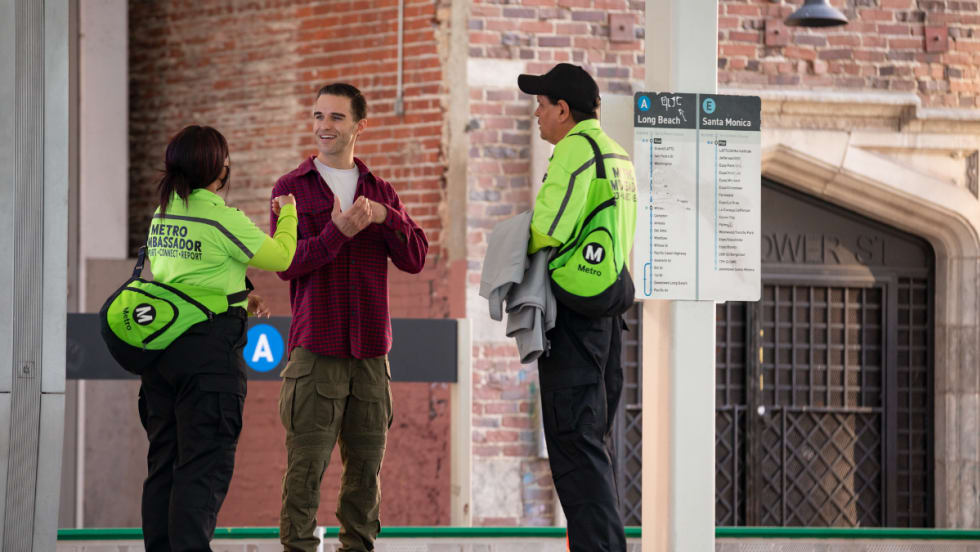
LA Metro Reports 57% Decline in Homelessness on Transit System Since 2024
The agency's latest homelessness count offers new data on how care-based services and cross-sector partnerships can complement traditional transit security strategies.
Read More →
FTA Launches 'Transit Moves America' Dashboard to Highlight Agency Safety and Performance
The online dashboard transforms National Transit Database information into a public-facing resource that allows users to compare transit agencies on key operational and safety metrics.
Read More →