



FTA offering $3.5M in grants to improve accessibility, mobility
The Mobility for All Pilot Program seeks to improve mobility options through employing innovative coordination of transportation strategies and building partnerships.


The Federal Transit Administration (FTA) announced $3.5 million in grants for 17 projects in 16 states to improve mobility and access to public transportation for older adults, people with disabilities, and individuals of low income. Funding is provided through FTA’s Mobility for All Pilot Program.
“FTA is committed to improving access and mobility for all Americans, especially as we work to address the impacts of COVID-19,” said FTA Acting Administrator K. Jane Williams. “Through improved coordination of transportation services and enhanced partnerships, these projects will provide more efficient service to people in rural and small urban areas and individuals affected by healthcare challenges such as the opioid epidemic, veterans, and Medicaid recipients.”
FTA’s Mobility for All Pilot Program seeks to improve mobility options through employing innovative coordination of transportation strategies and building partnerships to enhance mobility and access to vital community services for older adults, individuals with disabilities, and people of low income.
Selected projects support coordination among programs funded by the Coordinating Council on Access and Mobility (CCAM), an interagency partnership that includes representatives from U.S. DOT and 10 other federal agencies to coordinate efforts and improve the quality, efficiency, and availability of transportation services for targeted populations.
Examples of projects selected to receive funding through FTA’s Mobility for All Pilot Program include:
The Flint Mass Transportation Authority will receive funding to expand its same-day, on-demand transportation program with new partner agencies and clients, specifically veterans and individuals with substance use disorders living in Flint and Genesee County's rural communities who travel long distances to healthcare facilities.
The Maine Department of Transportation will receive funding for a pilot project to expand on-demand bus service in Aroostook County and the rural Presque Isle area to daily fixed route bus service. The project will utilize enhanced technology to fill gaps in service and improve access and mobility for older adults and individuals with disabilities in northern Maine.
The North Carolina Department of Transportation will receive funding for trip scheduling software that will create a more efficient point of entry to connect underserved populations, including people seeking substance abuse treatment, with transportation services in rural northeastern North Carolina.
More New Mobility
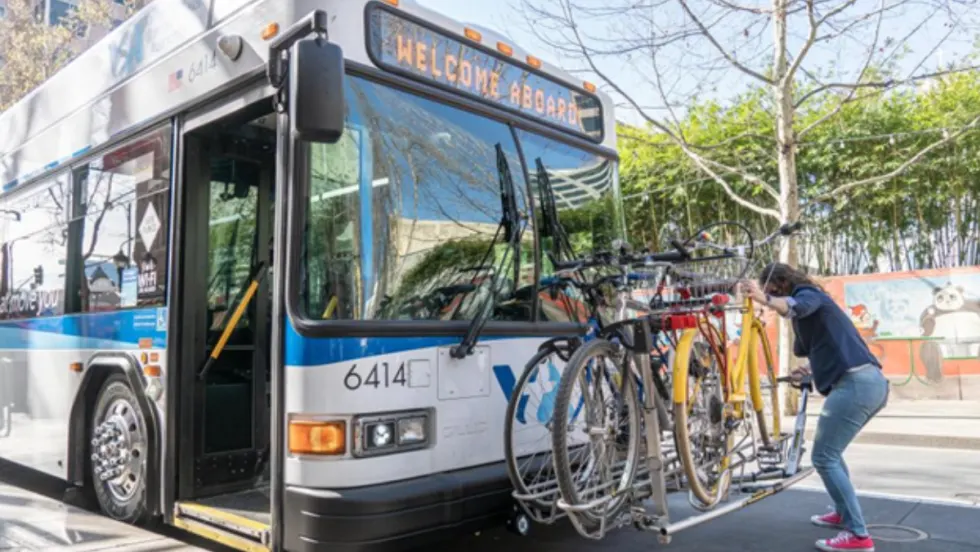
What Multimodal Data Can Tell Transit Agencies About Rider Demand
See how bike-on-bus data is giving transit agencies new insight into rider demand, capacity constraints, and gaps in first- and last-mile connections.
Read More →
From Hardware to Digital Partner: Luminator Charts Its Next Chapter
CEO Magnus Friberg discusses Luminator’s shift toward becoming a digital partner, the growing importance of software and interoperability, and how AI can help agencies improve operations and passenger experience.
Read More →
Biz Briefs: Alstom Lands Canadian Contract, LYT to Supply California TSP, and More
In METRO's latest installment, we take a look at recent news from Complete Coach Works, Beep, FlixBus, and more partnerships making headlines across the transportation sector.
Read More →
CharterUP’s Armir Harris on Technology, AI, and the Future of Group Mobility
In a recent episode of METROspectives, CharterUP Founder/CEO Armir Harris discussed the company’s evolution from an online charter bus marketplace into a technology platform supporting public- and private-sector mobility and much more.
Read More →
Jacksonville’s NAVI Project Charts a New Course for Autonomous Public Transportation
Through its NAVI program, JTA is showing how autonomous vehicles, intelligent infrastructure, and coordinated operations can work together to deliver everyday public transportation.
Read More →
Biz Briefs: Luminator Marks Milestone and More
From manufacturers and suppliers to transit agencies and motorcoach operators, these updates offer a snapshot of the projects, partnerships and business moves driving the industry forward.
Read More →
New Tricks for Old Bureaucracies: Joshua Schank on Making Transit Innovation Stick
Former LA Metro Chief Innovation Officer Joshua Schank discusses why good ideas aren't enough, how transit agencies can overcome resistance to change, and why today's challenges demand more innovation.
Read More →
How DART's GoPass Is Redefining Regional Mobility
Serving 14 transit agencies, GoPass simplifies multimodal travel by allowing riders to plan, pay for, and manage an entire trip through one app.
Read More →
Biz Briefs: OCTA Taps Clean Energy for Hydrogen Station, Stadler to Supply Via Rail Vehicles, and More
From manufacturers and suppliers to transit agencies and motorcoach operators, these updates offer a snapshot of the projects, partnerships and business moves driving the industry forward.
Read More →CharterUP Expands Into New Mobility and Autonomous Transportation
Vice President of New Mobility Stephen Joos discusses how CharterUP is leveraging its nationwide transportation network, technology platform, and autonomous vehicle partnerships to expand into workforce mobility, campus shuttles, and transit solutions.
Read More →