



Related: FTA Thanks Transit Agencies for Helping Americans Access COVID-19 Vaccination Sites
FTA Recognizes Outstanding Rural Transit Agencies
The FTA named agencies in Massachusetts, Maryland, Mississippi, Montana, Nebraska, and Texas as recipients of the “Connecting Rural Communities” Award.
by Staff
October 27, 2021
4 min to read
Six rural transit agencies that helped connect their communities and deliver services over the past year received national recognition from the Federal Transit Administration (FTA).
The FTA named agencies in Massachusetts, Maryland, Mississippi, Montana, Nebraska, and Texas as recipients of the “Connecting Rural Communities” Award for their work during the COVID-19 pandemic to provide transportation to essential workers and improve the quality of life in their communities.
FTA Administrator Nuria Fernandez announced the awards as part of the National Conference on Rural, Public and Intercity Bus Transportation.
“From converting buses into vaccination clinics, to delivering meals to senior citizens and students, to bringing healthy groceries to food deserts and reaching underserved people, these six transit agencies and their workers went above and beyond,” said Fernandez. “Our agency is proud to support transit agencies around the country who are playing such essential roles in the communities they serve.”
Since 1985, FTA has recognized great work in rural transit by presenting Administrator’s Awards for Outstanding Public Transportation Service in Rural Public Transportation. This year’s “Connecting Rural Communities” awards recognize rural transit providers that have improved the mobility of Americans in rural areas.
These systems served their communities by providing access to services during the COVID-19 pandemic, advanced equity for all, including individuals who have been historically underserved and adversely affected by persistent poverty or income inequality, and improved the safety of rural transit.
The rural transit providers recognized by FTA are:
Kimball County Transit Services in Kimball, Nebraska:
KCTS went beyond its services to deliver groceries and pharmacy items to residents, including 200 school lunches a day to quarantined students in underserved communities. In addition, KCTS transported people to COVID-19 testing sites and provided free rides to vaccination sites. They made their buses available to be used as clinics, with nurses administering vaccines onboard. KCTS also introduced new dispatching and scheduling software that has increased efficiencies in service and improved safety for riders and bus operators.
TransIT Services in Frederick County, Maryland:
TransIT worked with the local Meals on Wheels and the county’s Senior Services Division to reassign a team of drivers and activated transit vehicles to assist with food distribution to older adults. TransIT staff also converted one of its electric buses into a mobile clinic that traveled to underserved communities to deliver vaccinations. Since then, several hundred people have received shots on the “vax bus.” TransIT started providing fare-free services in late March 2020 and will continue this service through Fall 2021. TransIT has also worked to improve safety and protect operators during the pandemic by installing driver barriers on each of its fixed-route buses, shuttles, and paratransit vehicles.
Franklin Regional Transit Authority in Greenfield, Massachusetts:
FRTA launched a microtransit program, FRTA Access, providing same-day and next-day transportation to low-income riders throughout northwest Massachusetts via a smartphone app. FRTA expanded the FRTA Access program to provide weekend service. In addition, FRTA developed a new sliding scale fare policy to promote equity and introduced an app-based customer feedback module.
Streamline in Bozeman, Montana:
Streamline extended its hours of service to provide transportation to essential workers in April and May 2020. Streamline also launched a major route redesign study to evaluate its services as the community’s population grew. The Redesign Streamline 2020 study, which was voted #1 Best Use of Taxpayer Dollars in Bozeman’s Choice Awards, recommended increased service coverage, weekend coverage and extended service hours. As a result of the study, Streamline has worked to improve transit access to work and health care centers, expanded weekend coverage, and provide zero-fare transportation options for people from areas of persistent poverty.
Southwest Area Regional Transit District in southwest Texas:
SWART remained in continuous operation, providing bus service and paratransit services to residents, ensuring access to jobs, school, health care, and other needs. SWART maintained its routes while ensuring passenger safety by providing them with masks and automatic hand sanitizers on vehicles. Plexi-glass partitions were installed in the vehicles to protect vehicle operators, and SWART sanitized its vehicles before, during, and after each route. In addition, SWART waived fares from May through December 2020. Their ability to serve their customers was courtesy of partnerships with health care organizations, chambers of commerce, schools, health and human service organizations, the Kickapoo Tribal Nation, and local businesses.
Bolivar County Council on Aging in Cleveland, Mississippi:
BCCOA immediately instituted safety procedures in all of its vehicles, including installing operator protective shields. To help communities in the Mississippi Delta region tackle the problem of food deserts, BCCOA partnered with Mississippi State University and the state’s Public Transit Division to start a rural micro-transit service designed to expand healthy food access. BCCOA also partnered with local elected officials, health centers, and other community partners to provide fare-free transportation to COVID testing and vaccination events.
More Security and Safety

Transit Agencies Highlight Safety Gains at National Summit
Leaders from 15 major transit systems shared crime-reduction results and safety initiatives while discussing the role of continued federal support.
Read More →
DART Launches Major Security, Fare Enforcement Initiative
The 90-day demonstration will deploy coordinated security teams at five light rail stations while testing controlled access and gathering data to guide future investments.
Read More →
RTD Launches NextRide App to Consolidate Trip Planning, Fares, Security Reporting
The app expands on RTD’s existing NextRide web application and allows customers to view real-time vehicle locations and service alerts, purchase and store digital fares, and access customer support.
Read More →

TAPTCO Updates OSHA Compliance Training for Transit Maintenance Operations
The revamped program addresses 26 OSHA standards for maintenance facilities, with TAPTCO pointing to training, documentation, and everyday shop hazards as continuing challenges for transit operations.
Read More →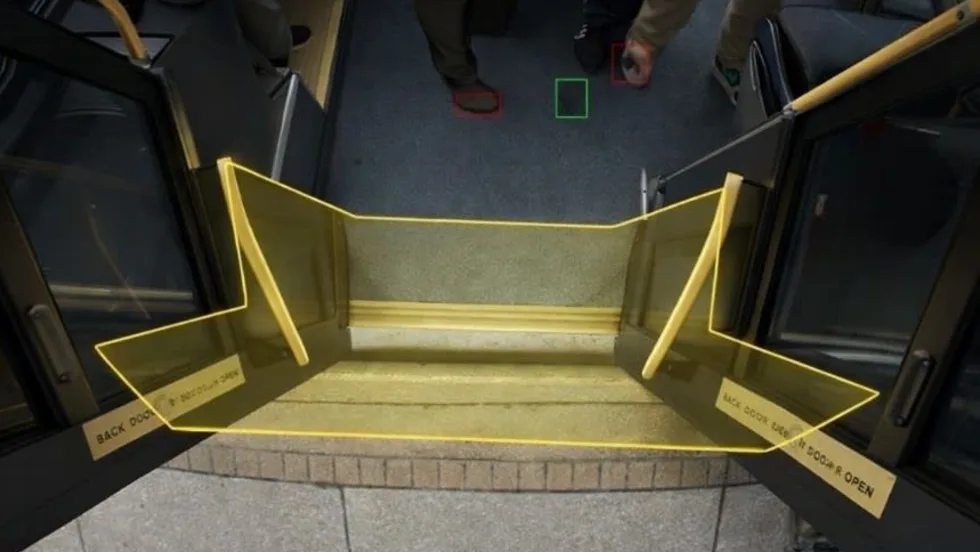
Sponsored•August 18, 2026
How VaporVision Adds Value to Transit Door Systems
Wabtec engineers explain how the system improves doorway detection, strengthens diagnostics and gives transit agencies and OEMs greater operating flexibility.
Read More →
FRA Announces $5.3B in Rail Investments, Including $2B for Amtrak
Funding will support grade-crossing improvements, infrastructure upgrades, and new Amtrak equipment in 23 states.
Read More →
Chicago, Maryland Expand Non-Law-Enforcement Safety, Rider Support
The CTA and MTA are launching new programs aimed at de-escalation, crisis response, rider assistance, and greater transparency.
Read More →
LA Metro, City of West Hollywood, and Partners Advance Smarter Bus Lane Enforcement
The award-winning partnership combines AI-powered detection with human oversight to improve bus reliability, accessibility, and enforcement efficiency.
Read More →
LA Metro Reports 57% Decline in Homelessness on Transit System Since 2024
The agency's latest homelessness count offers new data on how care-based services and cross-sector partnerships can complement traditional transit security strategies.
Read More →
FTA Launches 'Transit Moves America' Dashboard to Highlight Agency Safety and Performance
The online dashboard transforms National Transit Database information into a public-facing resource that allows users to compare transit agencies on key operational and safety metrics.
Read More →