




Related: Self-driving electric bus begins testing on public roads
Google autonomous car strikes Calif. city bus
The vehicle and the test driver "believed the bus would slow or allow the Google (autonomous vehicle) to continue." Google said in the filing the autonomous vehicle was traveling at less than 2 miles per hour, while the bus was moving at about 15 miles per hour.
March 1, 2016
Roman Boed
1 min to read
Roman Boed
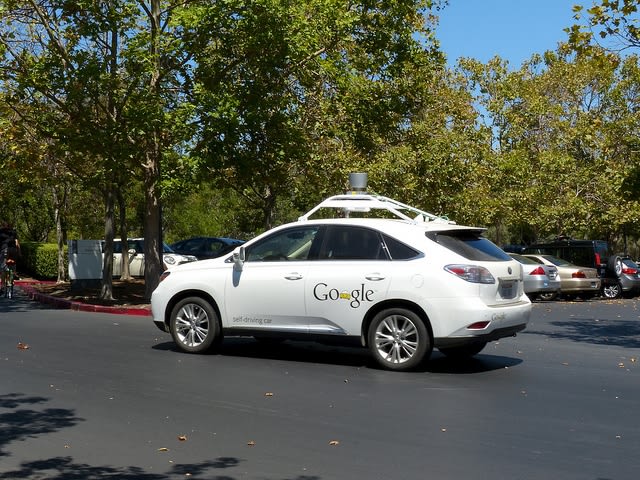
MOUNTAIN VIEW, Calif. — Alphabet Inc.'s Google said it bears "some responsibility" after one of its self-driving cars struck a municipal bus in a minor crash earlier this month, Reuters reports.
In a Feb. 23 report filed with California regulators, Google said the crash took place in Mountain View on Feb. 14 when a self-driving Lexus RX450h sought to get around some sandbags in a wide lane. The vehicle and the test driver "believed the bus would slow or allow the Google (autonomous vehicle) to continue." Google said in the filing the autonomous vehicle was traveling at less than 2 miles per hour, while the bus was moving at about 15 miles per hour.
The crash may be the first case of one of its autonomous cars hitting another vehicle and the fault of the self-driving car. The Mountain View, California-based Internet search leader said it made changes to its software after the crash to avoid future incidents. For the full story, click here.
To view the DMV report, click here.
More New Mobility
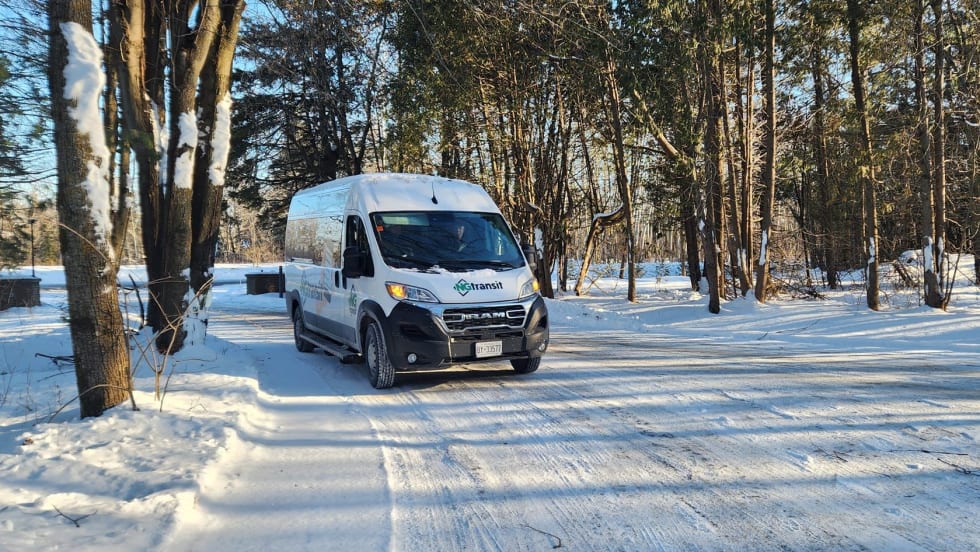
Right-Sizing Rural Transit: Lessons from North Grenville’s On-Demand Model
A small municipality shows how flexible service, rider needs, and public accountability can expand mobility with limited resources.
Read More →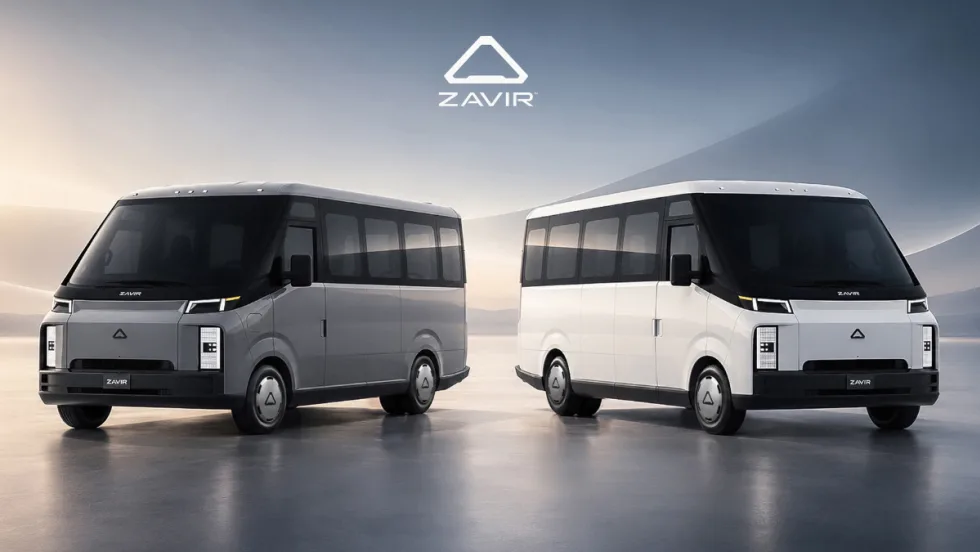
ENC Unveils ZAVIR Medium-Duty Electric Shuttle
The new ZAVIR brand targets shuttle and paratransit operations with battery-electric and range-extended electric vehicle options.
Read More →
Public Transit Conference Returning to GFX in 2027, Call for Papers Now Open
The Call for Papers is now open, allowing transit agency professionals and industry experts to help shape the PTC educational program by submitting session ideas for consideration.
Read More →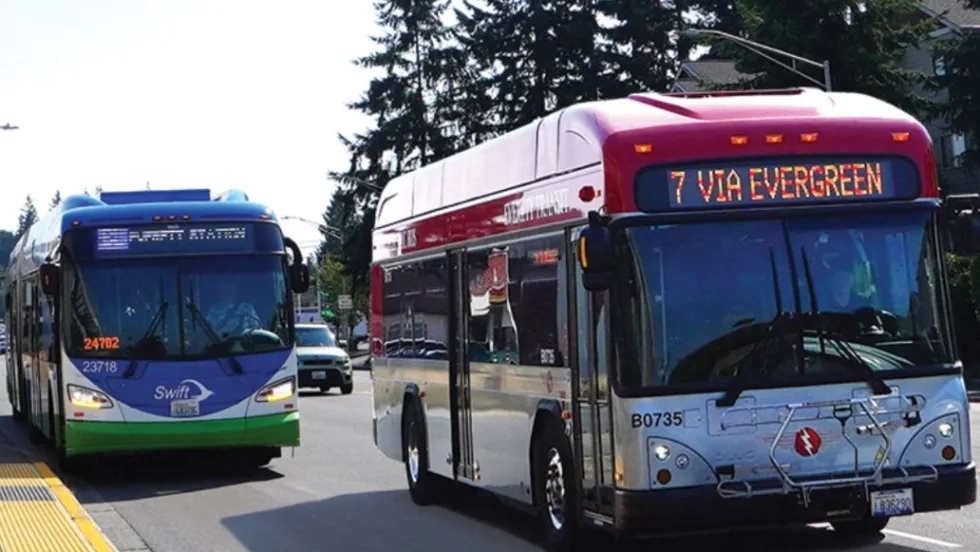
Everett Transit, Community Transit Outline Consolidation Agreement
The proposed agreement calls for a 50% increase in bus service in Everett, a new microtransit zone, continued paratransit service, and the transfer of Everett Transit operations to Community Transit.
Read More →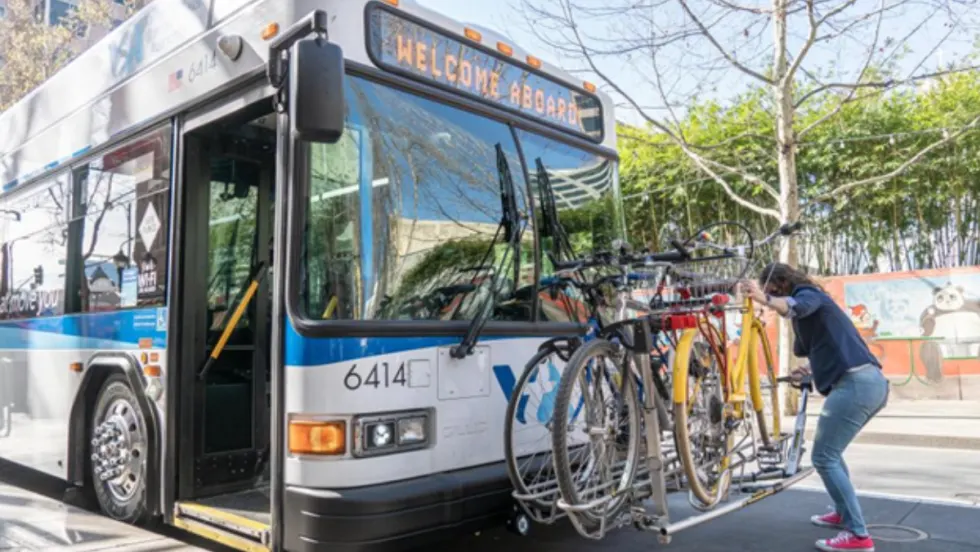
What Multimodal Data Can Tell Transit Agencies About Rider Demand
See how bike-on-bus data is giving transit agencies new insight into rider demand, capacity constraints, and gaps in first- and last-mile connections.
Read More →
From Hardware to Digital Partner: Luminator Charts Its Next Chapter
CEO Magnus Friberg discusses Luminator’s shift toward becoming a digital partner, the growing importance of software and interoperability, and how AI can help agencies improve operations and passenger experience.
Read More →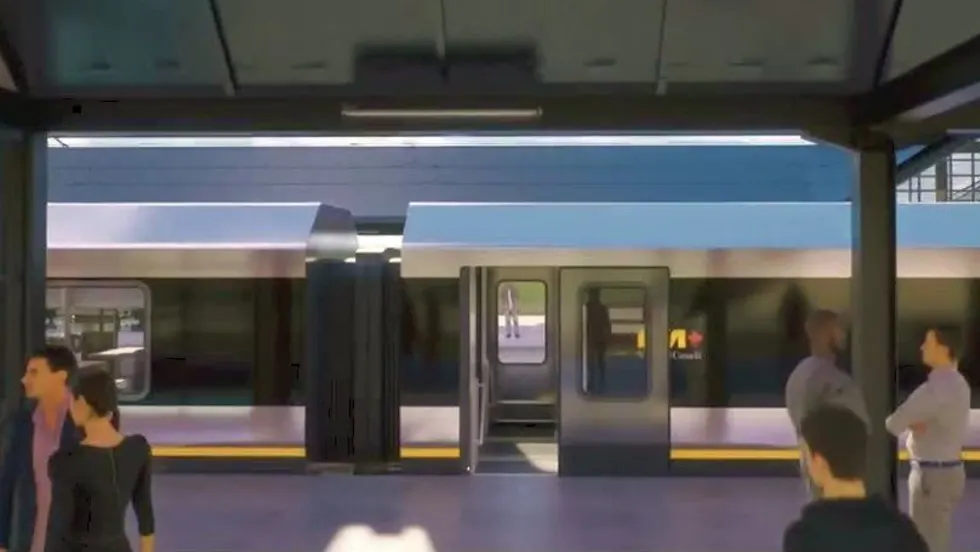
Biz Briefs: Alstom Lands Canadian Contract, LYT to Supply California TSP, and More
In METRO's latest installment, we take a look at recent news from Complete Coach Works, Beep, FlixBus, and more partnerships making headlines across the transportation sector.
Read More →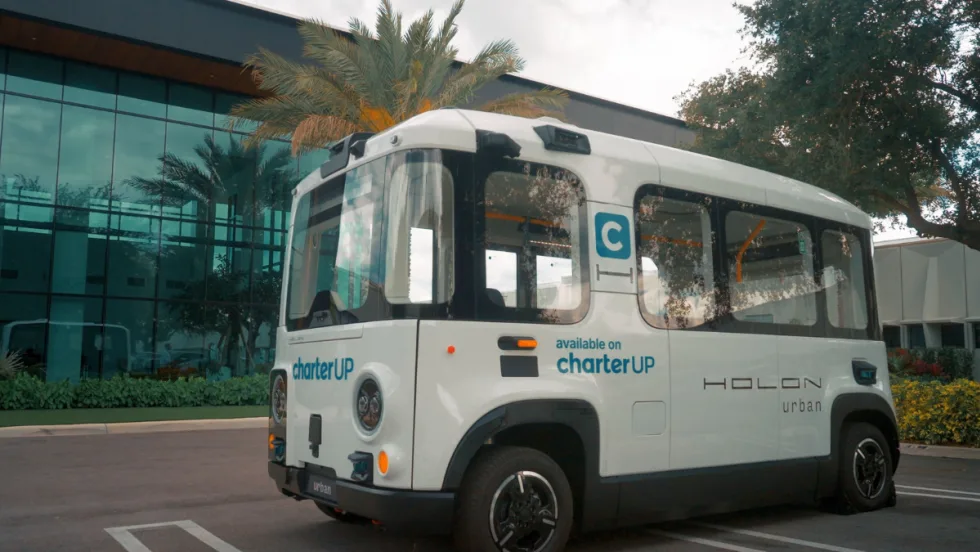
CharterUP’s Armir Harris on Technology, AI, and the Future of Group Mobility
In a recent episode of METROspectives, CharterUP Founder/CEO Armir Harris discussed the company’s evolution from an online charter bus marketplace into a technology platform supporting public- and private-sector mobility and much more.
Read More →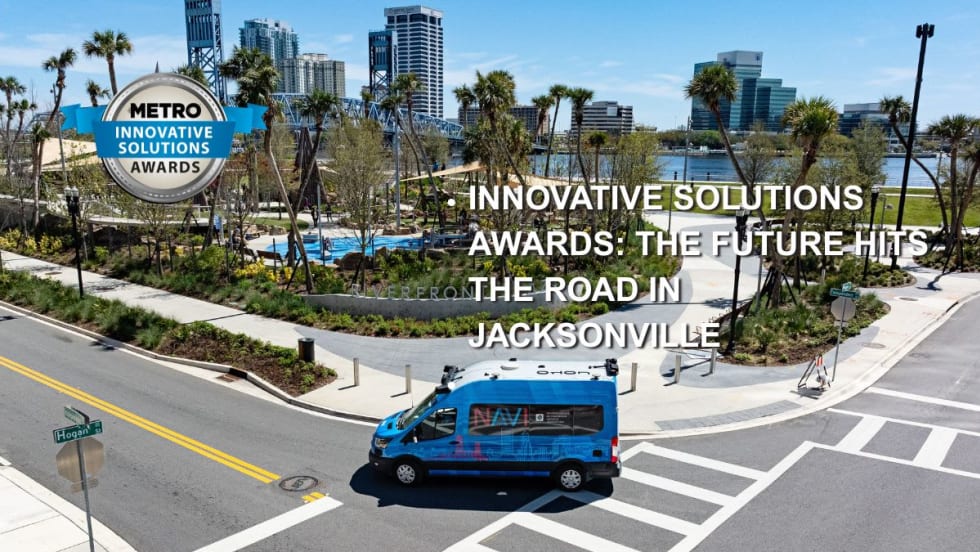
Jacksonville’s NAVI Project Charts a New Course for Autonomous Public Transportation
Through its NAVI program, JTA is showing how autonomous vehicles, intelligent infrastructure, and coordinated operations can work together to deliver everyday public transportation.
Read More →
Biz Briefs: Luminator Marks Milestone and More
From manufacturers and suppliers to transit agencies and motorcoach operators, these updates offer a snapshot of the projects, partnerships and business moves driving the industry forward.
Read More →