



Ground transportation groups request $12B for essential infrastructure
Develops eight-point plan for saving taxis, liveries, rideshare, buses, shuttles, paratransit, and non-emergency medical trips.

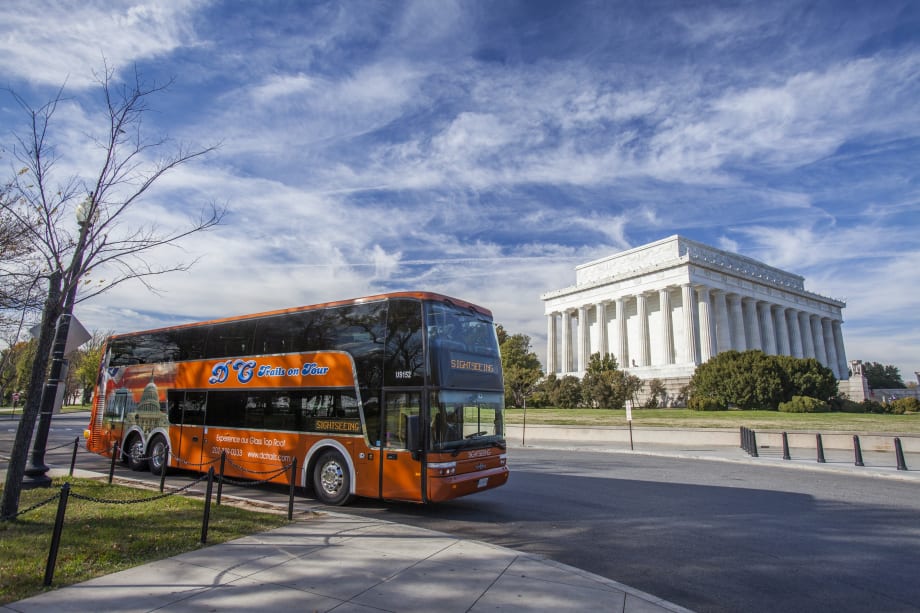
Collectively, the ground transportation industry moves three billion passengers a year, approximately the same total number of passengers moved by the equally vital airline industry.DC Trails
The Transportation Alliance (TTA) has joined six other major passenger ground transportation trade associations in signing an unprecedented industry letter to President Trump and Congressional leaders asking for $12 billion to save this essential national infrastructure.
The letter, sent to the White House as well as to Senate Majority Leader Mitch McConnell and House Speaker Nancy Pelosi, laid out an eight-point plan for saving companies who operate a variety of transportation, including taxis, liveries, rideshare, buses, shuttles, paratransit, and non-emergency medical trips. The eight points are:
1. Deem the industry a national “essential service.”
2.Provide $12 billion in immediate cash grants to fleet operators to provide industry relief.
3. Ensure guaranteed vehicle loan deferment/forbearance for at least 120 days.
4. Declare the industry is eligible for zero-interest SBA loans and ensure such loans are made available within two weeks of application, with no payments due for six months.
5.Mandate that all government accounts with transportation companies be paid within five days of billing.
6. Require insurance companies to suspend auto liability premiums on passenger transportation vehicles pulled out of service, without requiring transportation companies turn in their license plates.
7. Allow operators to postpone real estate tax payments as well as vehicle fuel and utilities payments such as phone, electricity and internet services, without penalty or disconnection.
8. Open a pipeline to cleaning products to ensure vehicles are regularly sanitized, and to help our industry promote the safety of our services.
“Our industry is intricately linked to the airlines and tourism, to schools and universities, and to healthcare access and vital services for our most vulnerable,” said Thomas P. Arrighi, president of The Transportation Alliance. “We need to make sure the people, vehicles, call centers, maintenance facilities are here to keep America moving when this is over. We have a pragmatic plan to do that. But we can’t do it without help from Washington.”
The letter was signed by the leaders of The Transportation Alliance, the American Bus Association, the National Limousine Association, the Global Business Travel Association, the United Motorcoach Association, the American Ground Transportation Association, and the Near Airport Parking Industry Trade Association.
Collectively, the industry moves three billion passengers a year, approximately the same total number of passengers moved by the equally vital airline industry. Hundreds of thousands of drivers — most of them their own independent, small American companies — affiliate with the group’s member companies for their livelihood.
More Management

METRO Opens Submissions for 2026 Motorcoach Awards
Nominations are now being accepted for METRO Magazine’s Operator of the Year and Innovative Operator of the Year awards.
Read More →
New York MTA Advances Final Contract for Second Avenue Subway Expansion
Contract Four is the largest in the Second Avenue Subway Phase 2 project and includes construction of station infrastructure, tracks, and signals for the subway expansion, MTA officials said. Work on Contract Four will begin in 2027.
Read More →
Transit Agencies Highlight Safety Gains at National Summit
Leaders from 15 major transit systems shared crime-reduction results and safety initiatives while discussing the role of continued federal support.
Read More →

NITA Names New Leadership, Expands Reduced-Fare Program at First Board Meeting
The new regional transit authority appointed its first board chair and interim executive director while extending reduced fares across CTA, Metra, and Pace for eligible riders.
Read More →
Beyond the Checklist: A Structured Approach to Transit Maintenance
Reliability-Centered Maintenance helps transit agencies move beyond routine checklists to focus limited resources on the assets and failures that have the greatest impact on safety, reliability, and service.
Read More →
APTA 2026 Nominating Committee Selects Leadership Slate, Names Chair and Vice Chair Nominees
Leadership changes will help shape the association’s priorities and its representation of the transportation industry during the 2026–2027 term.
Read More →
DART Launches Major Security, Fare Enforcement Initiative
The 90-day demonstration will deploy coordinated security teams at five light rail stations while testing controlled access and gathering data to guide future investments.
Read More →
Advancing Fare Collection Through Technology and Innovation
Learn about delivering 1300 gates at 91 stations while managing fare evasion. Explore the large scale deployment, solution customization and real-world results that affect the region. Prepare for deployment in your region now.
Read More →
Game Day in Motion: Moving Millions During the 2026 World Cup
Between packed transit stations and team motorcoaches, see how agencies and operators across North America tackled the transportation demands of the 2026 FIFA World Cup.
Read More →
Surface Transportation Extension Averts Shutdown, Leaves Transit Funding Gap
The stopgap keeps federal transportation programs moving, but missing advance funding could complicate the transit and rail projects agencies are planning next.
Read More →