



INIT Launches ‘Mind the Gap’ Campaign to Tackle Transit Workforce Shortages
The campaign introduces a suite of digital tools designed to help agencies fill operational gaps, streamline training, and enhance retention as the industry faces a shrinking pool of experienced personnel.

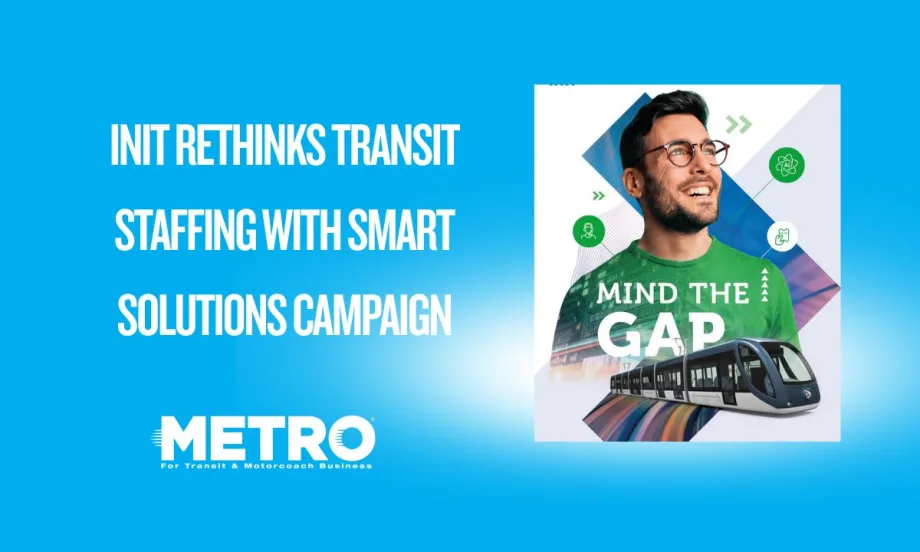
With transit systems across the U.S. contending with a persistent staffing crisis, INIT’s new campaign responds directly to these needs by promoting innovative, scalable IT solutions that help agencies adapt and remain resilient.
Photo: INIT
INIT Innovations in Transportation Inc. officially launched a new campaign titled “Mind the Gap: Smart Solutions for Staffing and Skills Shortages,” focusing on how public transit agencies can leverage intelligent technologies to address workforce challenges.
The campaign introduces a suite of digital tools designed to help agencies fill operational gaps, streamline training, and enhance retention as the industry faces a shrinking pool of experienced personnel.
A National Challenge for Transit Agencies
With transit systems across the U.S. contending with a persistent staffing crisis, INIT’s new campaign responds directly to these needs by promoting innovative, scalable IT solutions that help agencies adapt and remain resilient.
“Transit agencies are being asked to do more with less, especially when it comes to staffing,” said INIT CEO Carl Commons. “Our ‘Mind the Gap’ initiative shows how intelligent systems can reduce the burden on transit teams while preparing the workforce for future demands.”
Key technology solutions featured in the campaign include:
Smarter Scheduling to Improve Driver Retention: INIT’s MOBILE-PERDIS personnel scheduling system enables drivers to submit duty preferences via desktop or smartphone. The system balances employee preferences with operational requirements, generates compliant rosters, and supports last-minute shift swaps through an integrated duty pool. This flexibility has proven effective in reducing absenteeism and improving employee satisfaction.
Simplified Training for New Operators: To address high turnover and training bottlenecks, INIT’s on-board driver terminals offer a user-friendly interface with multi-language support, touchscreen controls, and turn-by-turn navigation. An AI-based messaging feature will allow dispatchers to send instructions in a driver’s preferred language, enhancing communication and safety.
Ticketing-as-a-Service to Reduce Driver Stress: INIT’s account-based ticketing system shifts fare transactions away from drivers, allowing passengers to tap in and out with a card or mobile device. Offered as Ticketing-as-a-Service (TaaS), the cloud-hosted solution enables agencies to implement modern fare systems without maintaining on-site infrastructure, allowing faster rollouts and lower IT overhead.
Streamlined Management of Electric Bus Fleets: Managing electric buses introduces unique logistical hurdles. INIT’s MOBILE-DMS depot management solution oversees charging level monitoring, block and yard assignments, and automated vehicle replacement in case of charging issues. The system ensures reliable operations while minimizing the administrative burden on maintenance teams.
Managed IT Services to Bridge Talent Gaps: INIT also provides fully managed IT hosting, relieving agencies of cybersecurity, compliance, and system management responsibilities. This service is particularly beneficial for transit systems without access to specialized IT staff.
More Management

Right-Sizing Rural Transit: Lessons from North Grenville’s On-Demand Model
A small municipality shows how flexible service, rider needs, and public accountability can expand mobility with limited resources.
Read More →
Transit Ballot Victories Signal Strong Voter Support: What Comes Next?
Voters approved billions in public transportation investments in 2026, giving agencies opportunities to preserve service, expand operations, and strengthen regional connections amid a changing political landscape.
Read More →
Transit Expands Agency Partnerships, Reaching 200 Official App Partners
COO Jake Sion discusses Transit’s growth, the success of its Transit Royale program, and how technology is helping agencies improve the rider experience.
Read More →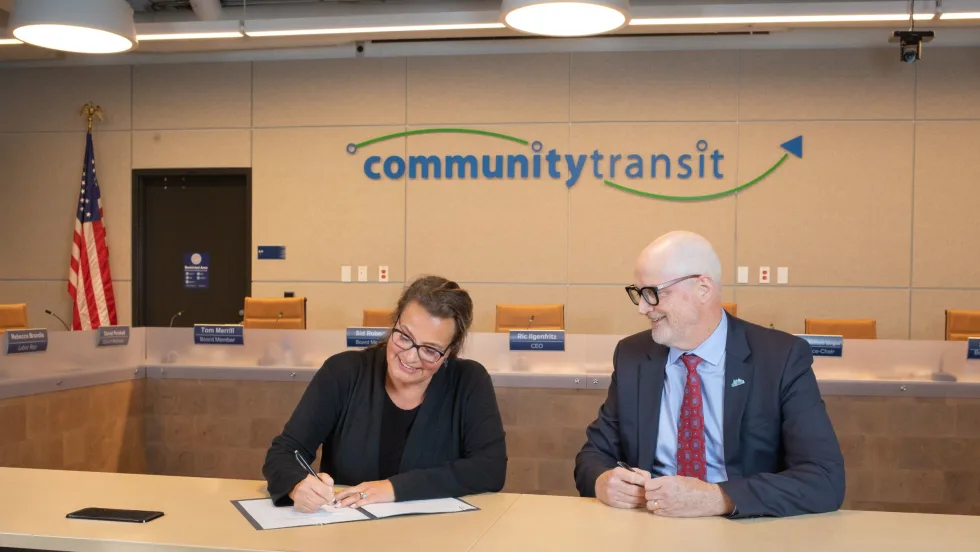
Everett Transit, Community Transit Approve Consolidation of Services
The agreement will bring Everett Transit into Community Transit’s network in April 2027, with plans to increase bus service by 50% by 2031 and expand regional connections.
Read More →
NITA Proposes $5B Operating Budget, $9.7B Capital Program for 2027
The proposed budget includes funding for expanded transit service, safety initiatives, fleet upgrades, and infrastructure improvements across CTA, Metra, and Pace.
Read More →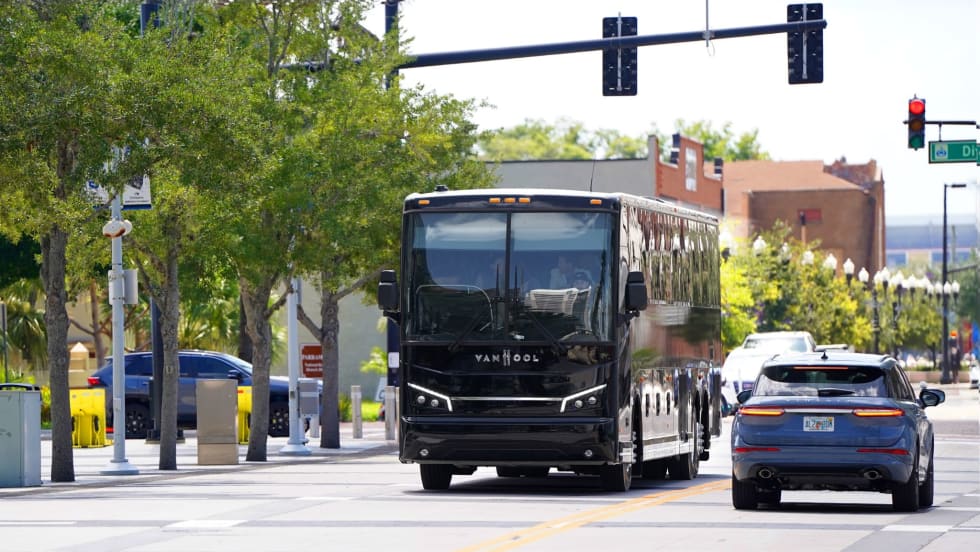
Financing, Fleet Replacement Requires a More Strategic Approach
Executives from ABC Companies and MCI discuss how rising costs, changing market conditions, and post-pandemic challenges are prompting motorcoach operators to rethink financing strategies, fleet replacement cycles, and long-term planning.
Read More →
Bringing Austin’s First Light Rail System to Life
Austin Transit Partnership CEO Greg Canally discusses the city's nearly 10-mile light rail project, its collaborative approach to project delivery, the importance of community engagement, and the milestones ahead as construction approaches in 2027.
Read More →
ETA CEO John Maglio on Transit Technology, Innovation, and Building Agency Trust
ETA founder and CEO John Maglio explores the evolution of transit technology, the importance of reliable systems, and how stronger partnerships can help agencies improve operations and the passenger experience.
Read More →
Metra Draft Plan Outlines Costs, Service Improvements for Regional Rail
The Systemwide Network Plan identifies infrastructure needs and potential investments to expand all-day, bidirectional rail service across the Chicago region.
Read More →
New Orleans RTA Names Augustine III as New CEO
In this edition, we also spotlight recent personnel moves at HDR, PATH, STV, and more, highlighting the people taking on new roles across the transportation industry.
Read More →