




Keep Reading: Smarter Speed Management for Safer, More Efficient Public Transit
ISA in California: Weighing Safety Benefits Against Public Concerns
Mineta Transportation Institute researchers examine the potential safety benefits and the challenges of the use of Intelligent Speed Assistance.
November 13, 2025
Keyword analysis of NHTSA consumers revealed that issues related to speed control and ISA functionality were among the most reported.
Photo: METRO
3 min to read
It’s no secret that speeding is a leading contributor to roadway fatalities in the United States, but according to a Mineta Transportation Institute (MTI) release, California “consistently ranks among states with the highest number of speed-related crashes — including second in the nation (after Texas) in 2023.”
Intelligent Speed Assistance (ISA) technology has emerged as a solution aimed at mitigating this issue by notifying drivers of speed limits (through auditory, visual, or haptic feedback) and, in some cases, intervening and lowering the speed to the posted speed limit through pedal resistance, temporary deceleration, and power limitations (although the latter is not widespread).
New MTI research, “A Holistic Inquiry of Intelligent Speed-Assist Technology: Safety Impacts, Technology Implementation, and Challenges,” presents a comprehensive investigation into the safety benefits of ISA systems, implementation challenges, and public perception, with a focus on California drivers, which can also include transportation operators.
Public Perception and Trust in Intelligent Speed Assistance
This study’s multi-method approach, which included a large-scale quantitative analysis of over two million consumer complaints and nearly 300,000 recall records from the National Highway Traffic Safety Administration (NHTSA), found that:
Keyword analysis of NHTSA consumers revealed that issues related to speed control and ISA functionality were among the most reported, with the most frequently occurring terms being “speed” (71,631 mentions), “engine” (28,923 mentions), and “brake” (27,499 mentions), suggesting widespread user concerns around unintended acceleration, loss of control, and inadequate responses to driver input.
Among 286 surveyed California drivers, over half recognized the potential safety benefits of ISA, but 55% were also concerned about loss of control, 53% about system malfunction, and 37% about privacy concerns.
Survey results indicated that 62% of respondents believed ISA would reduce their speeding behavior.
Drivers showed a strong preference for advisory or supportive ISA systems that provide feedback without taking full control of vehicle speed (only 2% of respondents preferred “intervening” ISA; the remaining 98% preferred supportive and advisory options).
“Public trust in ISA systems hinges on transparent, ethical data practices,” the study’s authors said. “Nearly 80% of survey respondents reported at least some concern over data privacy. To remedy this, systems should avoid real-time transmissions of identifiable data unless anonymized and consent-based. Strong governance structures and accessible reports indicating what data is being collected and how it is used are also important.”
Overall, the findings suggest that ISA systems could effectively reduce speeding and enhance safety, but their success depends on thoughtful design, public trust, and supportive policy frameworks.
Outreach campaigns that help the public and transportation agencies understand what ISA is and how it works “will be a critical part of moving forward.” According to the release, sharing information about the benefits of ISA and how private data is protected during its use will build public trust and facilitate implementation.
Overall, as California and other states explore broader implementation, aligning driver preferences, technological capabilities, and regulatory structures will be crucial to realizing the full safety potential of ISA systems.
More Security and Safety

Transit Agencies Highlight Safety Gains at National Summit
Leaders from 15 major transit systems shared crime-reduction results and safety initiatives while discussing the role of continued federal support.
Read More →
DART Launches Major Security, Fare Enforcement Initiative
The 90-day demonstration will deploy coordinated security teams at five light rail stations while testing controlled access and gathering data to guide future investments.
Read More →
RTD Launches NextRide App to Consolidate Trip Planning, Fares, Security Reporting
The app expands on RTD’s existing NextRide web application and allows customers to view real-time vehicle locations and service alerts, purchase and store digital fares, and access customer support.
Read More →

TAPTCO Updates OSHA Compliance Training for Transit Maintenance Operations
The revamped program addresses 26 OSHA standards for maintenance facilities, with TAPTCO pointing to training, documentation, and everyday shop hazards as continuing challenges for transit operations.
Read More →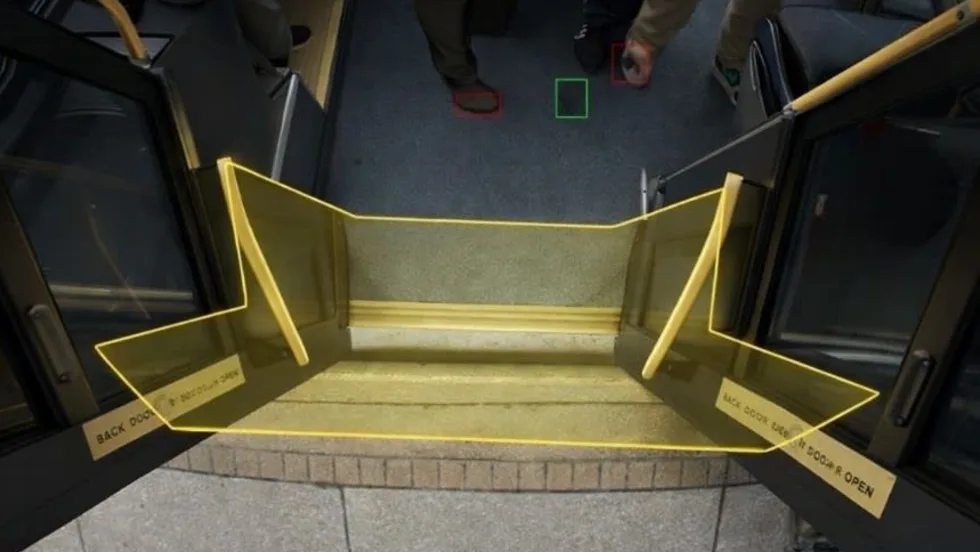
Sponsored•August 18, 2026
How VaporVision Adds Value to Transit Door Systems
Wabtec engineers explain how the system improves doorway detection, strengthens diagnostics and gives transit agencies and OEMs greater operating flexibility.
Read More →
FRA Announces $5.3B in Rail Investments, Including $2B for Amtrak
Funding will support grade-crossing improvements, infrastructure upgrades, and new Amtrak equipment in 23 states.
Read More →
Chicago, Maryland Expand Non-Law-Enforcement Safety, Rider Support
The CTA and MTA are launching new programs aimed at de-escalation, crisis response, rider assistance, and greater transparency.
Read More →
LA Metro, City of West Hollywood, and Partners Advance Smarter Bus Lane Enforcement
The award-winning partnership combines AI-powered detection with human oversight to improve bus reliability, accessibility, and enforcement efficiency.
Read More →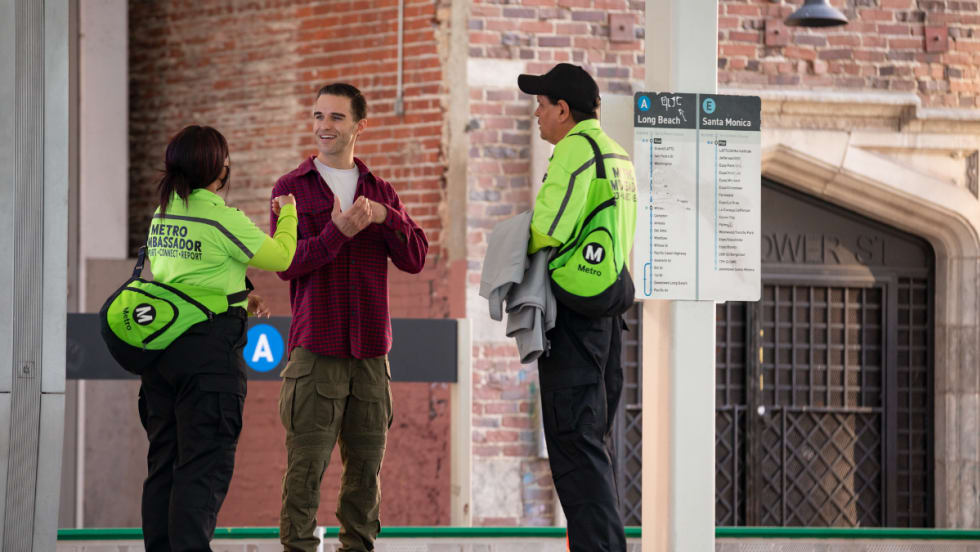
LA Metro Reports 57% Decline in Homelessness on Transit System Since 2024
The agency's latest homelessness count offers new data on how care-based services and cross-sector partnerships can complement traditional transit security strategies.
Read More →
FTA Launches 'Transit Moves America' Dashboard to Highlight Agency Safety and Performance
The online dashboard transforms National Transit Database information into a public-facing resource that allows users to compare transit agencies on key operational and safety metrics.
Read More →