



Keolis, Navya launch Belgian autonomous shuttle pilot
The trial aims to study the reactions of passengers and road users to improve the technology and ensure that it fits seamlessly and safely into the daily life of the city.

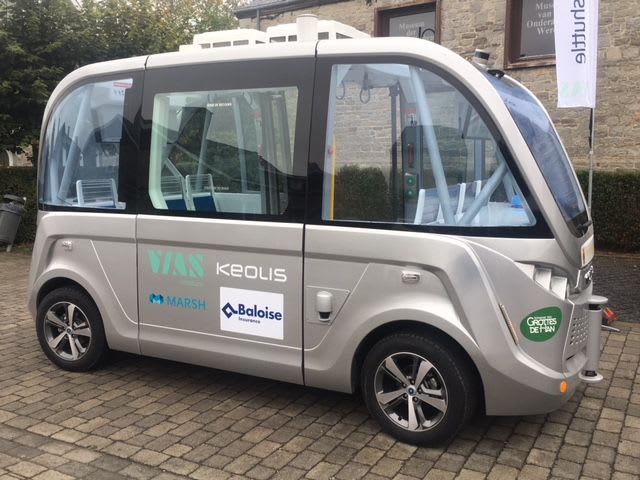
The NAVYA autonomous electric shuttle can accommodate up to 15 passengers, including those with reduced mobility, with a dedicated area for wheelchairs.
Keolis
The NAVYA autonomous electric shuttle can accommodate up to 15 passengers, including those with reduced mobility, with a dedicated area for wheelchairs.
Keolis
Keolis launched a 100% electric autonomous shuttle trial in Han-sur-Lesse, Belgium. The NAVYA autonomous electric shuttle will operate in normal traffic conditions in the Cave Domaine of Han-sur-Lesse, a major Belgian tourist attraction (350,000 visitors per year). The trial will soon be extended to cover a larger route.
This trial is led in partnership with NAVYA, specialists in the design and construction of autonomous and electric vehicles, as well as the Belgian ministry of mobility, the Vias institute (the Belgium Road Safety Institute), and the Domaine of Han.
The autonomous electric shuttle is an ideal mobility solution for educational campuses, amusement parks, and hospitals. The shuttle is best used to provide a last-mile connection solution to complete an existing public transport network. In Han, the shuttle will carry visitors from the parking area to the Caves.
The NAVYA autonomous electric shuttle can accommodate up to 15 passengers, including those with reduced mobility, with a dedicated area for wheelchairs. It features Lidar sensors, GPS RTK, odometric system, V2X connection, and cameras, which enables the vehicle to detect other vehicles and pedestrians and circulate on open roads.
The trial aims to study the reactions of passengers and road users to improve the technology and ensure that it fits seamlessly and safely into the daily life of the city, before being put into operation at other tourist locations.
More New Mobility
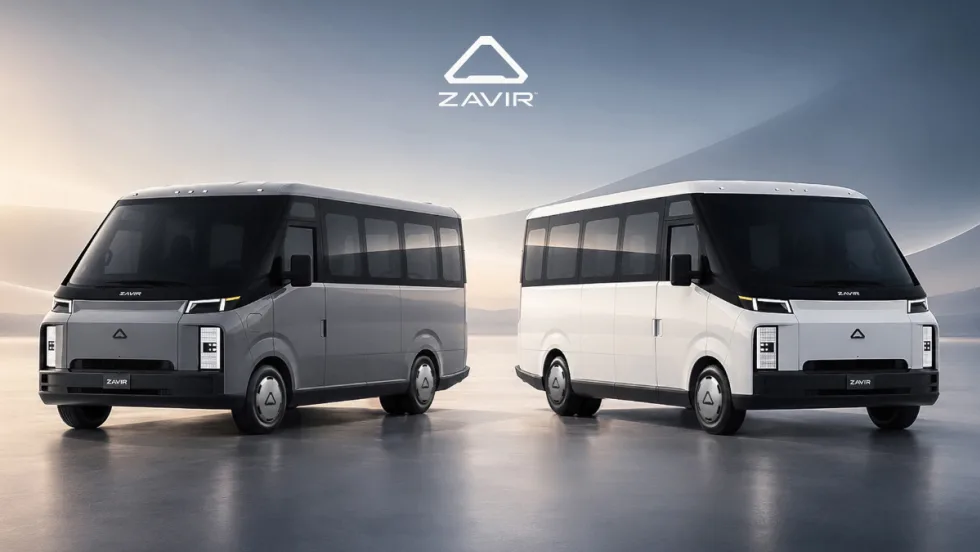
ENC Unveils ZAVIR Medium-Duty Electric Shuttle at APTA EXPO
The new ZAVIR brand targets shuttle and paratransit operations with battery-electric and range-extended electric vehicle options.
Read More →
Public Transit Conference Returning to GFX in 2027, Call for Papers Now Open
The Call for Papers is now open, allowing transit agency professionals and industry experts to help shape the PTC educational program by submitting session ideas for consideration.
Read More →
Everett Transit, Community Transit Outline Consolidation Agreement
The proposed agreement calls for a 50% increase in bus service in Everett, a new microtransit zone, continued paratransit service, and the transfer of Everett Transit operations to Community Transit.
Read More →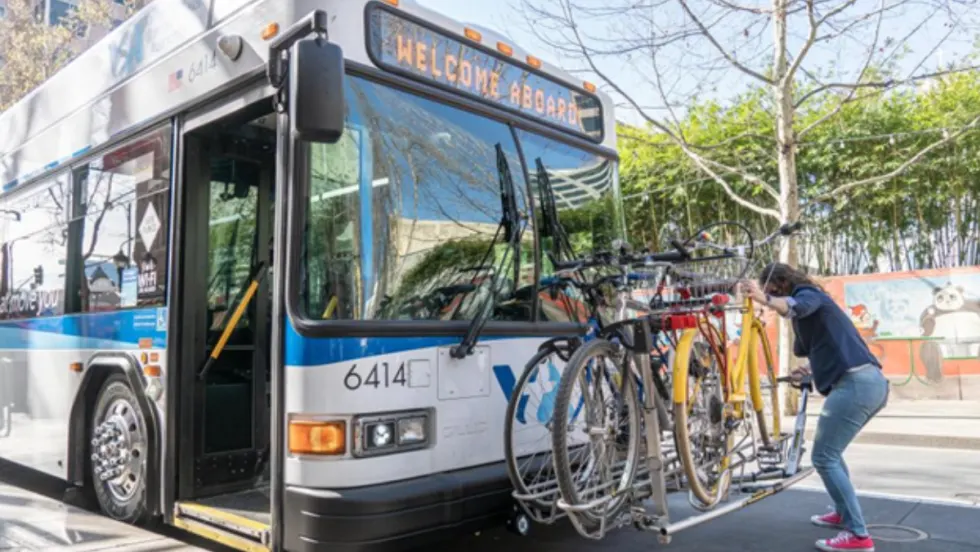
What Multimodal Data Can Tell Transit Agencies About Rider Demand
See how bike-on-bus data is giving transit agencies new insight into rider demand, capacity constraints, and gaps in first- and last-mile connections.
Read More →
From Hardware to Digital Partner: Luminator Charts Its Next Chapter
CEO Magnus Friberg discusses Luminator’s shift toward becoming a digital partner, the growing importance of software and interoperability, and how AI can help agencies improve operations and passenger experience.
Read More →
Biz Briefs: Alstom Lands Canadian Contract, LYT to Supply California TSP, and More
In METRO's latest installment, we take a look at recent news from Complete Coach Works, Beep, FlixBus, and more partnerships making headlines across the transportation sector.
Read More →
CharterUP’s Armir Harris on Technology, AI, and the Future of Group Mobility
In a recent episode of METROspectives, CharterUP Founder/CEO Armir Harris discussed the company’s evolution from an online charter bus marketplace into a technology platform supporting public- and private-sector mobility and much more.
Read More →
Jacksonville’s NAVI Project Charts a New Course for Autonomous Public Transportation
Through its NAVI program, JTA is showing how autonomous vehicles, intelligent infrastructure, and coordinated operations can work together to deliver everyday public transportation.
Read More →
Biz Briefs: Luminator Marks Milestone and More
From manufacturers and suppliers to transit agencies and motorcoach operators, these updates offer a snapshot of the projects, partnerships and business moves driving the industry forward.
Read More →
New Tricks for Old Bureaucracies: Joshua Schank on Making Transit Innovation Stick
Former LA Metro Chief Innovation Officer Joshua Schank discusses why good ideas aren't enough, how transit agencies can overcome resistance to change, and why today's challenges demand more innovation.
Read More →