




RELATED: L.A. Metro to launch $350M light rail modernization program
L.A. Metro to be first in U.S. to install subway body scanners
The portable passenger screening technology will help detect weapon and explosive device security threats on the transit system.
August 14, 2018

L.A. Metro's portable passenger screening technology will help detect weapon and explosive device security threats on the transit system. Photo: Metro
2 min to read
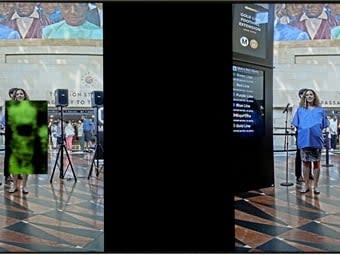
L.A. Metro's portable passenger screening technology will help detect weapon and explosive device security threats on the transit system. Photo: Metro
The Transportation Security Administration (TSA) has partnered with the Los Angeles County Metropolitan Transportation Authority (Metro) to deploy a new advanced portable passenger screening technology that will help detect weapon and explosive device security threats on the county’s transit system.
Metro is the first surface transportation agency in the nation to purchase such an advanced, high-tech security device to help keep transit riders safe from person-borne improvised explosive devices or other weapons that are intended to cause mass casualties.
Following a series of tests over the last year of TSA-vetted and approved security technologies at its stations, Metro has now purchased several Thruvision TAC-TS4 portable terahertz millimeter wave passenger screening devices. The units can be placed at locations throughout the Metro system and are equipped with software that quickly and unobtrusively screens individuals for concealed threats. The units can identify both metallic and non-metallic objects.
The devices identify objects that block the naturally-occurring waves produced by a person’s body. When an object is hidden in clothing or strapped to a person, these waves are blocked and detected by the system’s software. The software generates generic avatars and creates either a black spot on the area of the body where the item is concealed or overlays a color indicator. The technology does not emit radiation of any kind and no anatomical details are displayed. The device allows law enforcement agents and Metro Security to screen rail and bus patrons without disrupting foot traffic and to take decisive, pre-emptive action if suspicious items are found.
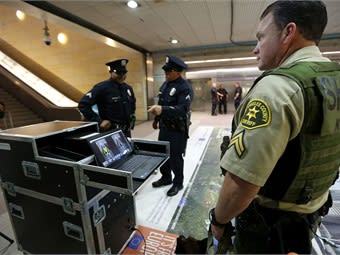
L.A. Metro's new body scanner technology allows law enforcement agents and Metro Security to screen rail and bus patrons without disrupting foot traffic and to take decisive, pre-emptive action if suspicious items are found. Photo: Metro
Transportation Security Administration (TSA) Administrator David Pekoske joined with local Metro officials to view the systems’ capabilities at Los Angeles Union Station.
“TSA applauds the leadership of L.A. Metro for its proactive efforts to evaluate, procure and use state-of-the-art technology designed to detect potential threats to the transit system,” said TSA Administrator Pekoske. “TSA is pleased to have been a partner during the evaluation and testing process, which ultimately led to the purchase of a recommended system to help detect and deter potential acts of terrorism while keeping the traveling public safe.”
The Thruvision technology was tested extensively by TSA. Metro tested the technology at its 7th Street/Metro Center Station over the last year.
More Security and Safety
LADOT to Launch Bus-Mounted Camera Enforcement on DASH Buses
The program will begin with a 60-day warning period before citations are issued in January 2027, joining similar efforts across Southern California to improve bus reliability, safety, and accessibility.
Read More →
New York MTA Launches Historic $1.9B Signal, Track Modernization Project
Funded in part by congestion pricing revenue, the project will replace nearly century-old signals along the A and C lines in Brooklyn and Queens.
Read More →
CSA Group Releases Climate Resilience Standard for Transit, Passenger Rail
Developed with support from the Standards Council of Canada, CSA D700 guides assessing climate-related risks and planning adaptation measures for transit and passenger rail systems.
Read More →
San Diego MTS Approves New Fare Evasion Penalty Program
The new administrative process will move eligible violations out of the criminal court system, cap penalties at $125, and provide flexible payment options for riders.
Read More →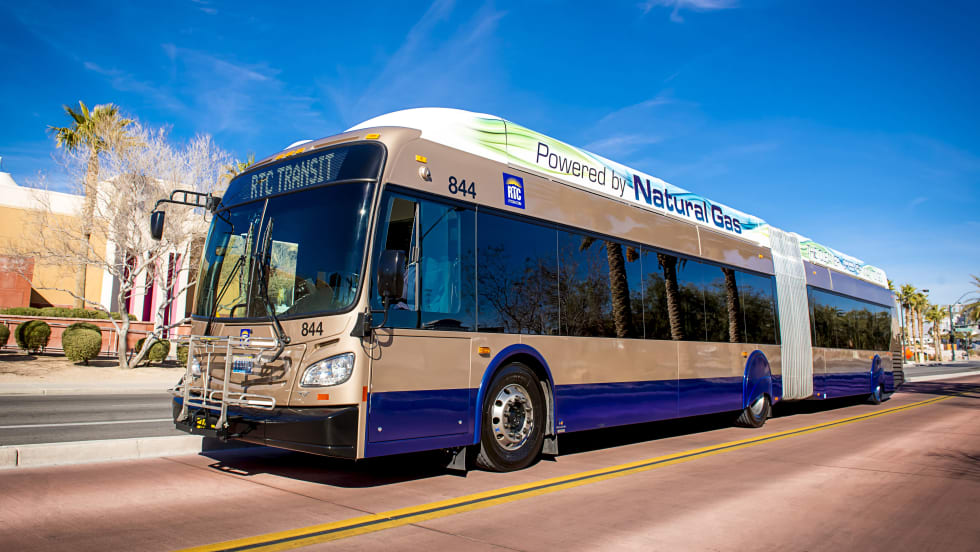
RTC of Southern Nevada Reports 29% Drop in Transit Operator Assaults
The agency credits expanded security measures, employee training, and technology investments for improvements in transit safety, while security officers have responded to 19 suspected overdoses since July.
Read More →
Public Transit Conference Returning to GFX in 2027, Call for Papers Now Open
The Call for Papers is now open, allowing transit agency professionals and industry experts to help shape the PTC educational program by submitting session ideas for consideration.
Read More →
Safe Transit Act Proposes New Security Requirements for Federal Transit Funding
Proposed legislation would link federal transit dollars to safety measures while requiring security investments, onboard cameras, and new fare collection standards.
Read More →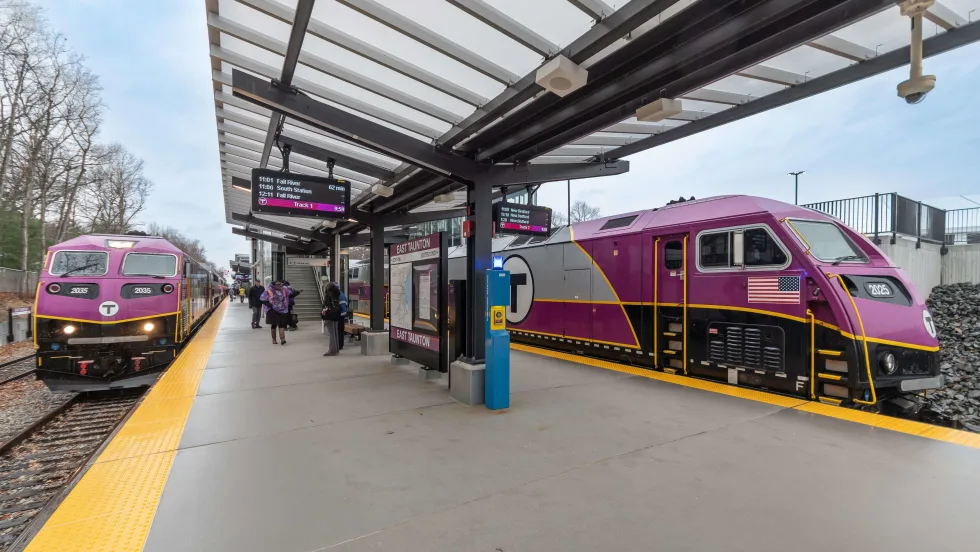
FTA Ends Direct Oversight of MBTA Safety Actions
The federal agency closed its remaining special directive to the Massachusetts Department of Public Utilities following a safety review that began in 2022.
Read More →
Transit Agencies Highlight Safety Gains at National Summit
Leaders from 15 major transit systems shared crime-reduction results and safety initiatives while discussing the role of continued federal support.
Read More →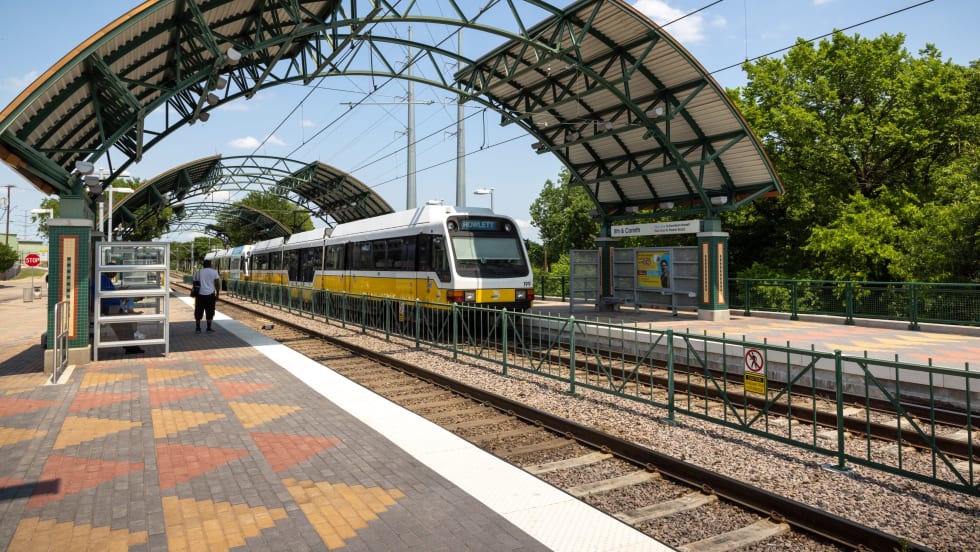
DART Launches Major Security, Fare Enforcement Initiative
The 90-day demonstration will deploy coordinated security teams at five light rail stations while testing controlled access and gathering data to guide future investments.
Read More →