



L.A.’s MTA Backs Away from Diesels, Orders More CNGs from NABI
Rejecting an extensively research staff recommendation, the board of directors of the Los Angeles County Metropolitan Transit Agency (LACMTA) voted instead to buy up to 1070 more compressed-natural-gas-powered buses. The vote preserves a decision made last year to buy all alternatively fueled buses.

Rejecting an extensively research staff recommendation, the board of directors of the Los Angeles County Metropolitan Transit Agency (LACMTA) voted instead to buy up to 1070 more compressed-natural-gas-powered buses. The vote preserves a decision made last year to buy all alternatively fueled buses. The vote also represents one of the largest contracts in the history of the US transit bus industry. The contract, to the NABI Group, calls for the supply of a 370 bus base quantity with options for 700 more, for a total of 1,070. Total value of the contract is US $333 million The company said that the order is biggest since the founding of the NABI Group and will be fulfilled between 2002-2004. Already, it started deliveries to its existing 430 bus Los Angeles order in February this year and will complete the first 215 buses by the end of the first half of 2000. With the completion of the new contract 1500 NABI buses will operate in Los Angeles, meaning that NABI buses will make up 60 per cent of LACMTA’s total fleet. The contract also culminated an interesting procurement method designed to provide the board with two options but at the same time preserving an aggressive procurement timeline at the MTA. Bidders were invited to submit a proposal and price for buses with currently available clean-diesel technology and one for CNG engines. However, those who did not submit both a diesel and CNG bid were disqualified. A third-party escrow officer kept the information sealed except the lowest prices for CNG and diesel, which they transmitted to the MTA for analysis purposes. Only when the board made the decision regarding fuel did the staff announce the prices and winner. Because of the two-bid method, it did so immediately after the board vote. The decision capped a heated public hearing about the pros and cons of both CNG and diesel technology. Although everyone generally agreed that the CNG option was clearly more expensive, private sector vendors and California Governor Gray Davis proposed both pricing and funds respectively to cover the cost difference. Although several people testified that CNG emits more greenhouse-gas emissions than that of diesel under expected federal regulations governing diesel fuel and engines, the information failed to sway the board. Despite their recommendation going down, MTA staff members remained upbeat. John Drayton, key staffer in MTA’s bus procurement and a chief architect of the diesel recommendation report, felt that the episode was “successful” and could live with either recommendation. “Our primary goal was to begin discussion of these issues” in light of new regulations and new technologies, he said. "We accomplished that."
More Management
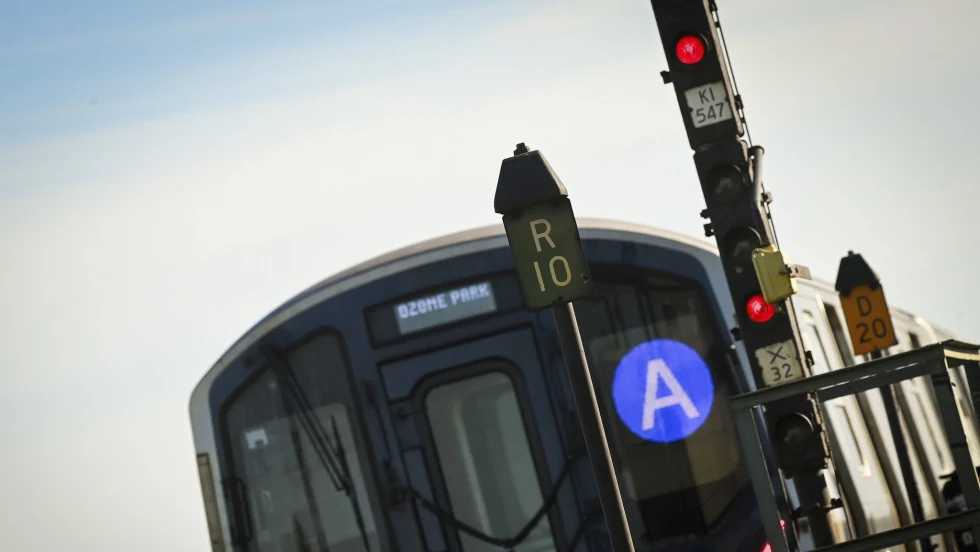
New York MTA Launches Historic $1.9B Signal, Track Modernization Project
Funded in part by congestion pricing revenue, the project will replace nearly century-old signals along the A and C lines in Brooklyn and Queens.
Read More →
Brian Dickson on Building Stronger, More Resilient Transportation Organizations
Bus Business Consultants Founder Brian Dickson discusses the leadership principles, operational discipline, and strategic planning that separate transportation companies positioned for long-term success from those stuck in survival mode.
Read More →
LA Metro Breaks Ground on Vermont BRT Project
The 12.4-mile corridor is projected to serve 66,200 daily riders, reduce travel times by up to 24%, and create the nation's busiest bus rapid transit corridor.
Read More →
Building Stronger Leaders, More Resilient Transit Teams
Dr. Carol Parker Walsh discusses leadership development, employee retention, workplace culture, and preparing transit’s workforce for AI and automation.
Read More →
Roman Cornell on ABC Companies’ Evolution and the Future of Passenger Transportation
The company’s CEO discusses carrying forward a third-generation family legacy, ABC’s continued evolution in passenger transportation, support for increasingly complex fleets, and how technology and continued investment could help operators improve uptime.
Read More →
CATS Launches West Charlotte Microtransit Zone, Expands Transit Services
The new microtransit zone connects residents to key destinations as Charlotte Area Transit System rolls out the first phase of its 2055 Transit System Plan.
Read More →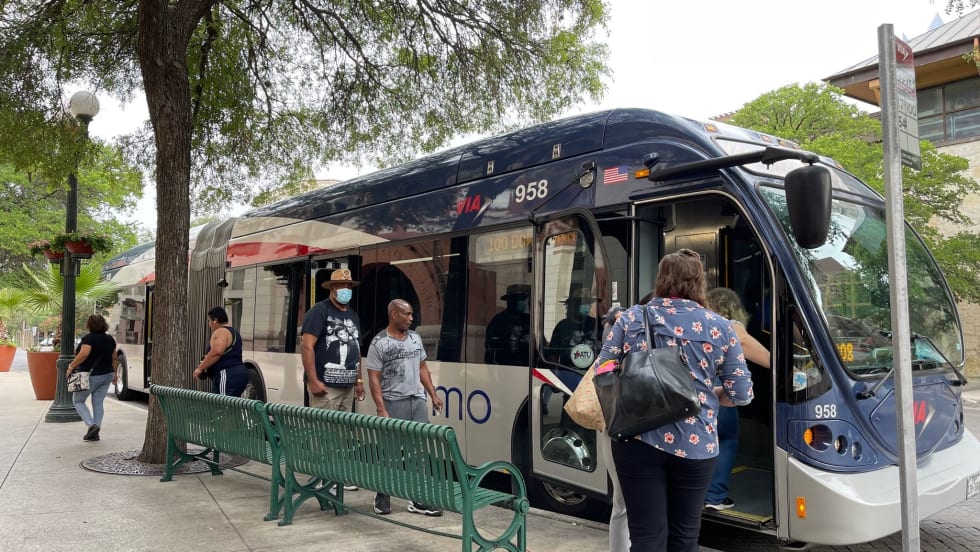
VIA Bus Ridership Grows 10.1% Through August 2026
San Antonio's VIA Metropolitan Transit reported the highest bus ridership growth among major Texas transit systems. Federal Transit Administration data ranked it second among the nation's 50 largest transit systems.
Read More →
CSA Group Releases Climate Resilience Standard for Transit, Passenger Rail
Developed with support from the Standards Council of Canada, CSA D700 guides assessing climate-related risks and planning adaptation measures for transit and passenger rail systems.
Read More →
ETA CEO John Maglio on Transit Technology, Innovation, and Building Agency Trust
ETA founder and CEO John Maglio explores the evolution of transit technology, the importance of reliable systems, and how stronger partnerships can help agencies improve operations and the passenger experience.
Read More →
COTA Launches First Customer Experience Action Plan to Improve Transit Service
The new plan outlines improvements to service reliability, accessibility, communication, and the overall rider experience across Central Ohio's transit system.
Read More →