




RELATED: How Metro is inspiring, training tomorrow's workforce
L.A. unveils Metro Vision 2028 plan
The document is Metro’s big picture plan that explains the strategies the agency plans to use to improve mobility and quality of life across Los Angeles County over the next 10 years
May 4, 2018

The plan is the result of more than 17 months of research, discussion and outreach by Metro’s Office of Extraordinary Innovation.
LA Metro
2 min to read
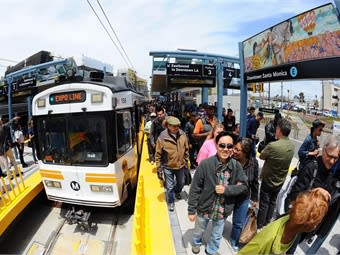
The plan is the result of more than 17 months of research, discussion and outreach by Metro’s Office of Extraordinary Innovation.
LA Metro
The Metro Vision 2028 plan was released for public review and comment by the Los Angeles County Metropolitan Transportation Authority (Metro). The document is Metro’s big picture plan that explains the strategies the agency plans to use to improve mobility and quality of life across Los Angeles County over the next 10 years.
Metro Vision 2028 emphasizes reducing travel time for residents, workers, and visitors in Los Angeles County. The plan also shifts Metro’s focus beyond just operating transit to managing the mobility ecosystem as a whole, in effect making Metro a mobility agency. The plan calls for vastly improving bus service in the County by implementing exclusive lanes and increasing travel speeds, reducing bus and rail service disruptions by improving the agency’s State of Good Repair program, implementing a larger network of ExpressLanes to speed up travel times for motorists and bus riders, and piloting pricing strategies to manage demand on capacity in the most traffic-clogged parts of L.A. County.
“This is our umbrella document that details how we plan to improve the quality of life across Los Angeles County,” said Metro CEO Phillip A. Washington. “The plan also addresses issues directly related to transportation, including housing, safety, and security, fares and job creation. Vision 2028 is the compass that Metro will follow in implementing all its projects, programs, and services.”
The plan is the result of more than 17 months of research, discussion and outreach by Metro’s Office of Extraordinary Innovation. A four-week public comment period begins Friday and closes on Thursday, May 24. The Metro Board of Directors will consider adopting the plan at their June 28 meeting.
The plan builds on some key initiatives already underway at Metro — and includes strategic actions that go well beyond the status quo. Metro Vision 2028 sets the agency’s strategic direction and serves as the foundation for all other Metro plans, programs, and services. For example, the in-progress Long Range Transportation Plan and NextGen Bus Study will begin to implement the goals outlined in Metro Vision 2028 as they relate to agency finances and restructuring the Metro bus system, respectively.
Under the plan, Metro will continue to focus on improving the customer experience and making its system easier and more convenient to use. To read or download the plan, click here.
More Management

METRO Opens Submissions for 2026 Motorcoach Awards
Nominations are now being accepted for METRO Magazine’s Operator of the Year and Innovative Operator of the Year awards.
Read More →
New York MTA Advances Final Contract for Second Avenue Subway Expansion
Contract Four is the largest in the Second Avenue Subway Phase 2 project and includes construction of station infrastructure, tracks, and signals for the subway expansion, MTA officials said. Work on Contract Four will begin in 2027.
Read More →
Transit Agencies Highlight Safety Gains at National Summit
Leaders from 15 major transit systems shared crime-reduction results and safety initiatives while discussing the role of continued federal support.
Read More →

NITA Names New Leadership, Expands Reduced-Fare Program at First Board Meeting
The new regional transit authority appointed its first board chair and interim executive director while extending reduced fares across CTA, Metra, and Pace for eligible riders.
Read More →
Beyond the Checklist: A Structured Approach to Transit Maintenance
Reliability-Centered Maintenance helps transit agencies move beyond routine checklists to focus limited resources on the assets and failures that have the greatest impact on safety, reliability, and service.
Read More →
APTA 2026 Nominating Committee Selects Leadership Slate, Names Chair and Vice Chair Nominees
Leadership changes will help shape the association’s priorities and its representation of the transportation industry during the 2026–2027 term.
Read More →
DART Launches Major Security, Fare Enforcement Initiative
The 90-day demonstration will deploy coordinated security teams at five light rail stations while testing controlled access and gathering data to guide future investments.
Read More →
Sponsored•September 9, 2026
Advancing Fare Collection Through Technology and Innovation
Learn about delivering 1300 gates at 91 stations while managing fare evasion. Explore the large scale deployment, solution customization and real-world results that affect the region. Prepare for deployment in your region now.
Read More →
Game Day in Motion: Moving Millions During the 2026 World Cup
Between packed transit stations and team motorcoaches, see how agencies and operators across North America tackled the transportation demands of the 2026 FIFA World Cup.
Read More →
Surface Transportation Extension Averts Shutdown, Leaves Transit Funding Gap
The stopgap keeps federal transportation programs moving, but missing advance funding could complicate the transit and rail projects agencies are planning next.
Read More →