



Las Vegas' RTC, partners launch new bikeshare system
With 21 stations at popular locations downtown and 180 bikes available 24 hours a day, bike share will provide a new alternative for residents, commuters, and tourists to travel.

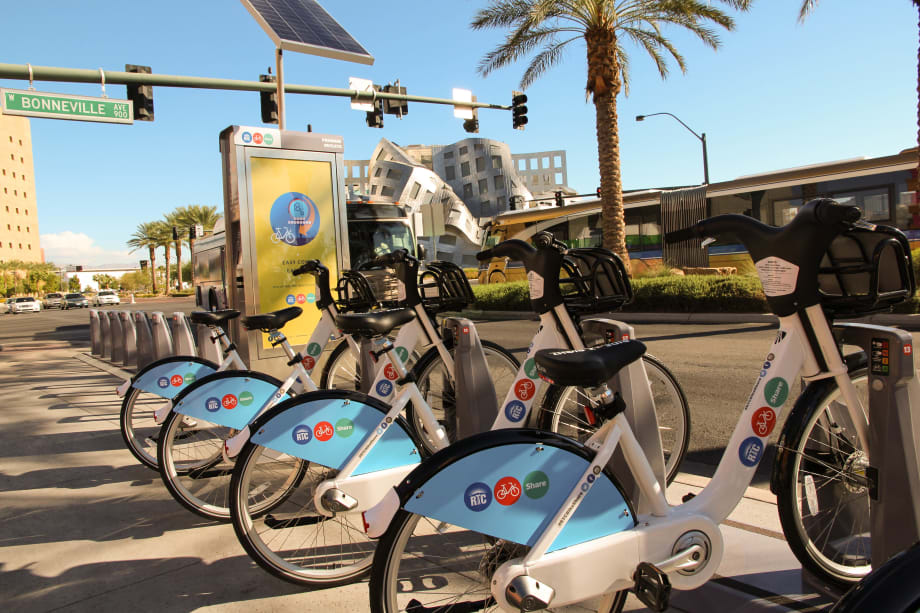

Over the weekend, Las Vegas’ Regional Transportation Commission of Southern Nevada (RTC) and its partners Bicycle Transit Systems (Bike Transit) and BCycle launched RTC Bike Share, the valley's first public bikeshare system in downtown Las Vegas.
RTC Bike Share provides a convenient and easy-to-use transportation alternative to short trips in the downtown area where users can check out a bike from one station and return it to another station near their final destination. With 21 stations at popular locations downtown and 180 bikes available 24 hours a day, bike share will provide a new alternative for residents, commuters, and tourists to travel.
Priced at $4 for a 30-minute ride, $8 for a 24-hour pass and $20 for a 30-day membership, RTC Bike Share is an inexpensive way to make trips that are too long to walk, but too short to drive. As part of the 24-hour pass and 30-day membership, users can check out a bike for 30 minutes at a time, for as many trips as their pass duration allows, without being charged an extra fee.
"The RTC Bike Share program demonstrates our progressive approach to multimodal transportation," said RTC GM Tina Quigley. "The RTC is committed to promoting cycling as a more sustainable transportation option, and bike share is a fun and convenient way to get people outdoors and see the city."

The program complements downtown Las Vegas' dedicated green bike lanes and is the latest addition to the RTC's current cycling initiatives, including the state-of-the-art bike center at the Bonneville Transit Center and hundreds of miles of bike routes throughout the valley.
Bicycle Transit Systems will operate RTC Bike Share station maintenance and customer service.
The Las Vegas system brings the total number of communities with a BCycle system in the U.S. and South America to 42. BCycle currently has more than 1,250 stations and 10,200 bikes on the ground in North and South America.
Las Vegas joins Philadelphia and Los Angeles in using BCycle's 2.0 bikes and stations. The 2.0 next-generation station features an intuitive kiosk and an updated aesthetic design while the 2.0 bicycle is lighter than the first-generation bike. All BCycle bikes are designed by Waterloo, Wisc.-based Trek.
More New Mobility
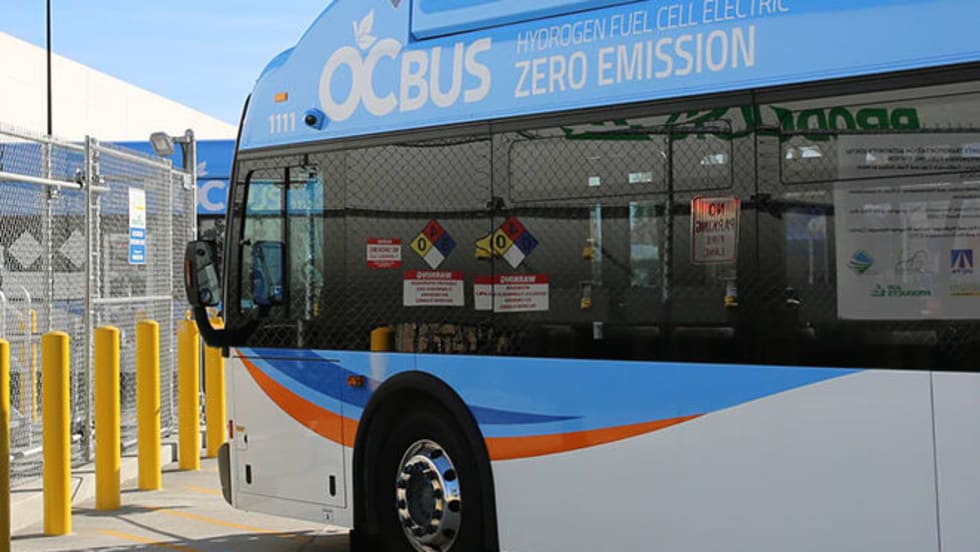
Biz Briefs: OCTA Taps Clean Energy for Hydrogen Station, Stadler to Supply Via Rail Vehicles, and More
From manufacturers and suppliers to transit agencies and motorcoach operators, these updates offer a snapshot of the projects, partnerships and business moves driving the industry forward.
Read More →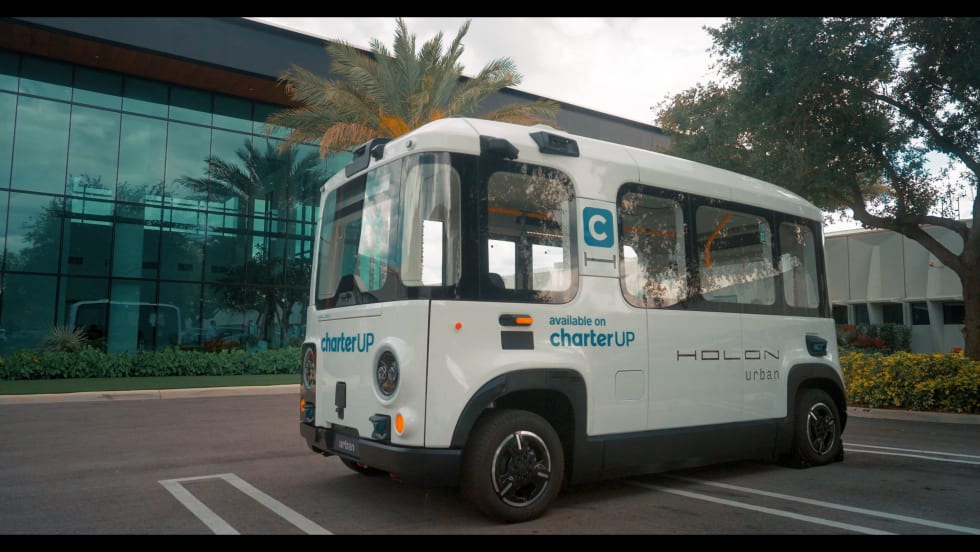
CharterUP Expands Into New Mobility and Autonomous Transportation
Vice President of New Mobility Stephen Joos discusses how CharterUP is leveraging its nationwide transportation network, technology platform, and autonomous vehicle partnerships to expand into workforce mobility, campus shuttles, and transit solutions.
Read More →
METRO Magazine Announces 2026 Innovative Solutions Awards Winners
Projects Recognized for Advancing Mobility Through Technology, Accessibility, Workforce Innovation, and Operational Excellence
Read More →
Biz Briefs: STV teams with Amtrak, Motorcoach Operators Boost Fleet and Land Contracts, and More
From manufacturers and suppliers to transit agencies and motorcoach operators, these updates offer a snapshot of the projects, partnerships and business moves driving the industry forward.
Read More →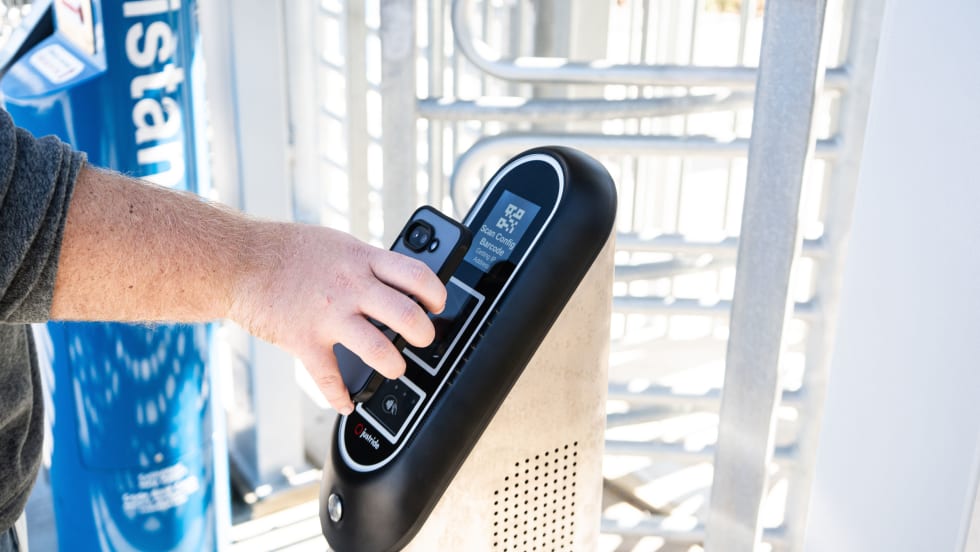
Biz Briefs: Masabi Teams with St. Louis Metro and More
In METRO's latest installment, we take a look at recent news from Transdev, Hitachi, and more partnerships making headlines across the transportation sector.
Read More →
Microtransit's Next Test: Becoming Part of the Network
Freebee shows how electric microtransit is moving beyond pilots to fill network gaps, connect riders to transit, and prove lasting value.
Read More →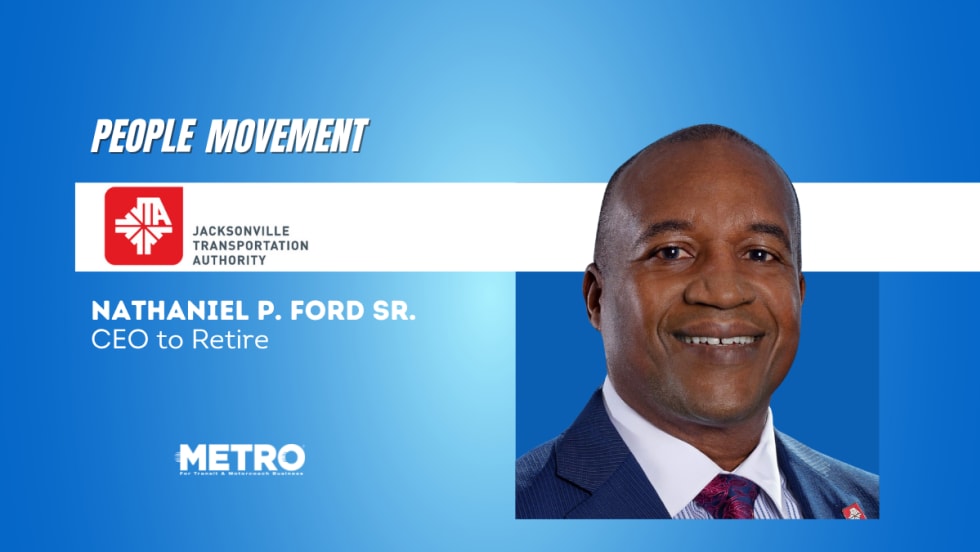
Ford to Leave JTA After More Than 10 Years as CEO
He plans to continue his work advancing innovative mobility solutions to improve the quality of life in communities across the nation. He did not announce specific plans.
Read More →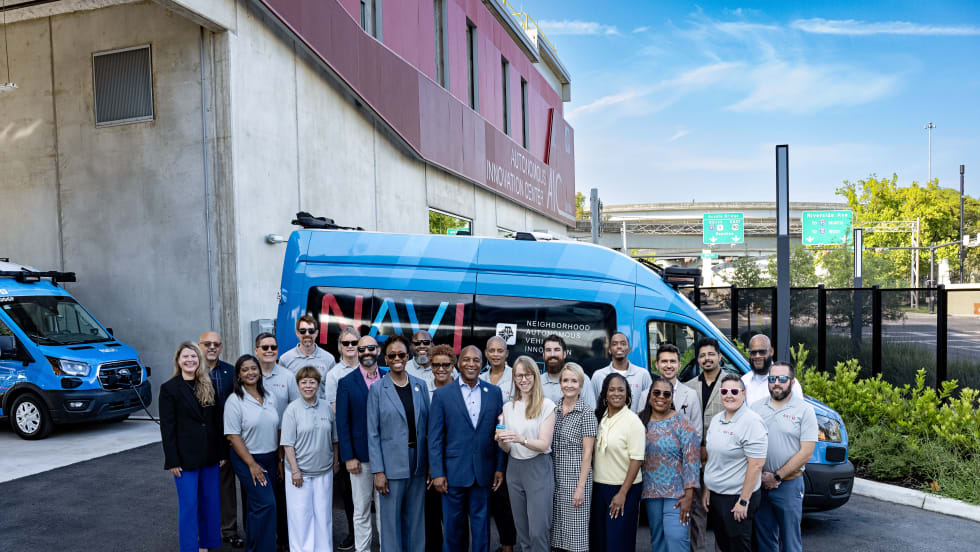
Florida's JTA Marks One Year NAVI Anniversary
During its first year of operation, NAVI has transported over 15,200 passengers and traveled more than 61,000 miles in autonomous mode without a safety incident caused by the autonomous driving system.
Read More →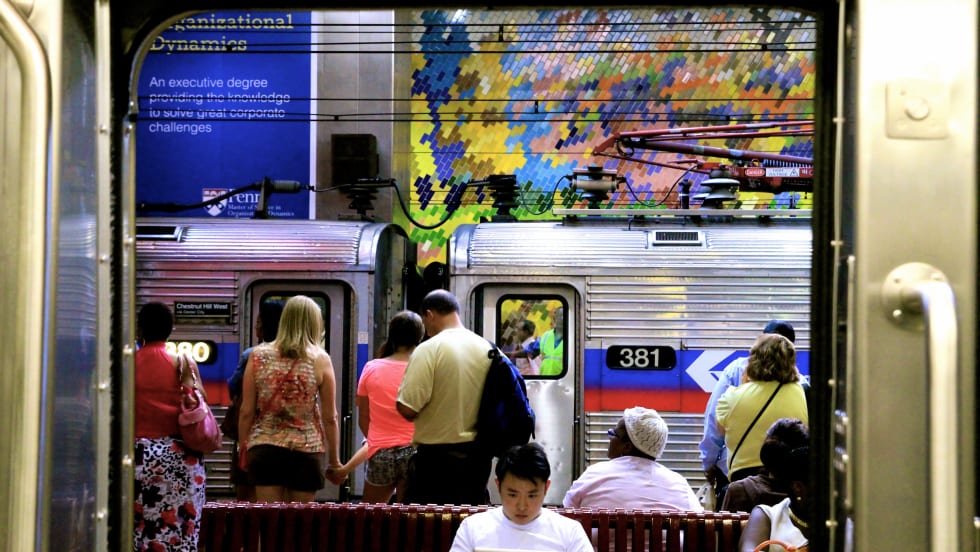
SEPTA Board Approves FY2027 Budget Amid Funding Challenges
The spending plan represents an increase of just 1.9% over the current year and includes investments in new buses, additional full-length fare gates, and other customer enhancements.
Read More →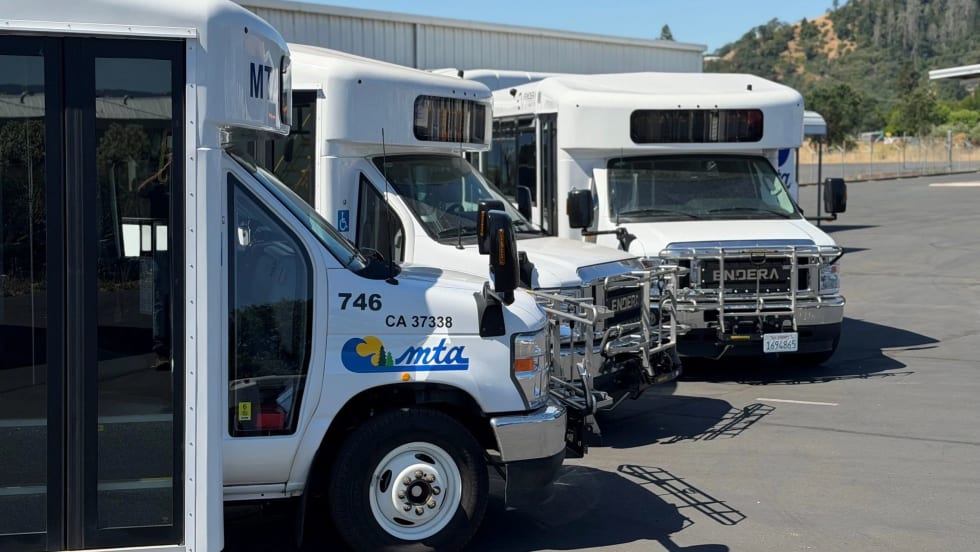
Biz Briefs: Endera Delivers to California, Safety Vision Teams with San Antonio's VIA, and More
From manufacturers and suppliers to transit agencies and motorcoach operators, these updates offer a snapshot of the projects, partnerships and business moves driving the industry forward.
Read More →