



Last Chance: Rosco Vision to present webinar on collision avoidance system
Will provide an in-depth look into the driving environment of large transit buses.

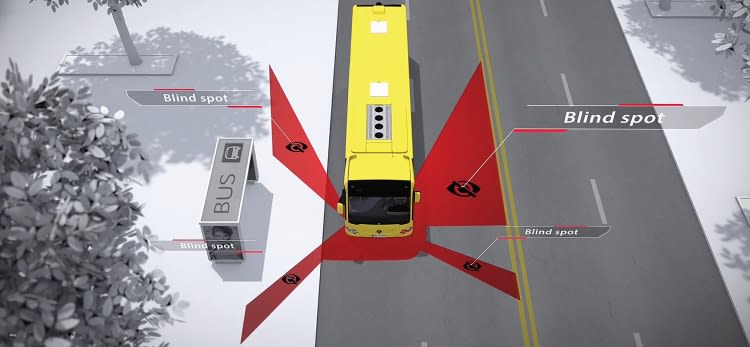
Image: Rosco Vision Systems
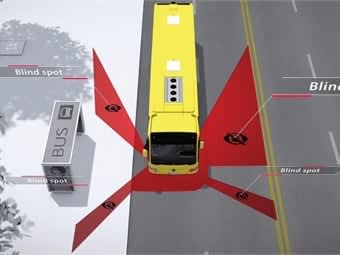
Image: Rosco Vision Systems
On Tuesday, Dec. 6, 2016 at 11 a.m. Pacific/2 p.m. Eastern, Rosco Vision Systems will hold its webinar “An In-Depth Look into Blind Zones Around a Bus and How to Eliminate Them,” with Peter Plate, director, sales & marketing, for Rosco.
We are living in a safety society where emerging technologies help us live and work more effectively and efficiently. This includes striving for zero traffic fatalities. Advances in collision avoidance systems have equipped cars with forward collision warning, speed alert, and pedestrian detection technology. In a few years, every car on the road will have these safety technologies in use, resulting in safer roads for vehicles and vulnerable road users (VRUs), including pedestrians and cyclists.
RELATED: 8 Wash. agencies testing collision avoidance system
The webinar will provide an in-depth look into the driving environment of large transit buses. Many of us cannot appreciate the complexities that come with operating a 40-foot or larger vehicle and maneuvering around VRUs in a busy urban environment. These complexities multiply when the vehicle is turning; blind zones widen and the probability of collisions increase. These complexities multiply further when VRU distraction due to phones, tablets, and other devices are at an all-time high, and trending upward.
This is where the evolution of technology comes into play. The same collision avoidance technology that has proven to work in cars has been developed to adapt to larger vehicles. With multiple smart vision sensors placed strategically around the bus, the Mobileye Shield+ system covers blind zones in the front and sides of the bus where a driver has limited visibility. Tune in and learn how this smart technology can help you gather data and help identify “hot spots” on a bus route or location. To fix a problem, it must first be identified… See how Shield+ can help you do both.
To sign up for the webinar, click here.
More Security and Safety
CSA Group Releases Climate Resilience Standard for Transit, Passenger Rail
Developed with support from the Standards Council of Canada, CSA D700 guides assessing climate-related risks and planning adaptation measures for transit and passenger rail systems.
Read More →
San Diego MTS Approves New Fare Evasion Penalty Program
The new administrative process will move eligible violations out of the criminal court system, cap penalties at $125, and provide flexible payment options for riders.
Read More →
RTC of Southern Nevada Reports 29% Drop in Transit Operator Assaults
The agency credits expanded security measures, employee training, and technology investments for improvements in transit safety, while security officers have responded to 19 suspected overdoses since July.
Read More →
Public Transit Conference Returning to GFX in 2027, Call for Papers Now Open
The Call for Papers is now open, allowing transit agency professionals and industry experts to help shape the PTC educational program by submitting session ideas for consideration.
Read More →
Safe Transit Act Proposes New Security Requirements for Federal Transit Funding
Proposed legislation would link federal transit dollars to safety measures while requiring security investments, onboard cameras, and new fare collection standards.
Read More →
FTA Ends Direct Oversight of MBTA Safety Actions
The federal agency closed its remaining special directive to the Massachusetts Department of Public Utilities following a safety review that began in 2022.
Read More →
Transit Agencies Highlight Safety Gains at National Summit
Leaders from 15 major transit systems shared crime-reduction results and safety initiatives while discussing the role of continued federal support.
Read More →
DART Launches Major Security, Fare Enforcement Initiative
The 90-day demonstration will deploy coordinated security teams at five light rail stations while testing controlled access and gathering data to guide future investments.
Read More →
RTD Launches NextRide App to Consolidate Trip Planning, Fares, Security Reporting
The app expands on RTD’s existing NextRide web application and allows customers to view real-time vehicle locations and service alerts, purchase and store digital fares, and access customer support.
Read More →
TAPTCO Updates OSHA Compliance Training for Transit Maintenance Operations
The revamped program addresses 26 OSHA standards for maintenance facilities, with TAPTCO pointing to training, documentation, and everyday shop hazards as continuing challenges for transit operations.
Read More →