




RELATED: Smart Transportation Starts Here
LILEE to equip Dutch transport system with Wi-Fi
Signed an eight-year hardware, software and service contract with Qbuzz, which transports over 300,000 passengers daily.
September 17, 2018
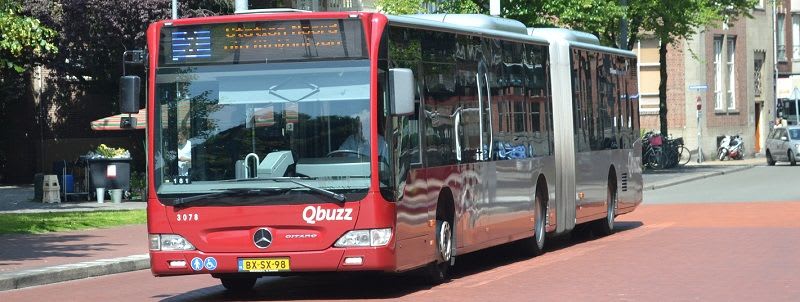
Netherlands-based transport company, Qbuzz, operates 686 buses and 27 trams to transport over 300,000 passengers daily. Photo: LILEE Systems
2 min to read
Netherlands-based transport company, Qbuzz, operates 686 buses and 27 trams to transport over 300,000 passengers daily. Photo: LILEE Systems
LILEE Systems, a provider of advanced connectivity and solutions with an open edge and cloud platform for the transportation industry, today announced the signing of Netherlands-based transport company, Qbuzz, to an eight-year hardware, software and service contract.
LILEE Systems will be providing Qbuzz rail and bus passengers on the DAV (Drechtsteden, Alblasserwaard, Vijfheerenlanden) line, access to a complimentary premium Wi-Fi network. Installation of the network will start October 2018 and service is expected to be available to passengers by the end of 2018. The transport company operates 686 buses and 27 trams to transport over 300,000 passengers daily.
“Providing free access to a fast and reliable Wi-Fi network is imperative to the overall Qbuzz passenger experience. Our customer’s technological expectations are increasing and Qbuzz is dedicated to meet their growing needs. LILEE Systems was selected as our technology partner based on their proven experience in the transportation industry, their ready-to-deploy and easy-to-maintain scalable solution,” said Gerrit Spijksma, CEO, Qbuzz. “LILEE Systems will enable our passengers to become more efficient and productive during their travel time. We are also confident LILEE Systems will play a role in future integrations of other safety and operational solutions utilizing the same open platform system”.
LILEE Systems will implement their best-in-class T-Cloud management platform, allowing Qbuzz the ability to self-manage the gateways and the data usage remotely from the cloud. The transport company can also interpret data analytics and carrier performance to help monitor the health of the network.
LILEE Systems will install their TransAirTM STS-1020 gateway with built-in dual LTE-A, Wi-Fi 802.11AC and link aggregation technology to provide the broadband network that can be accessed by passengers for both work and entertainment. Qbuzz can also utilize the onboard gateway to consolidate connectivity for other operator applications reducing the total cost of ownership.
More Technology
Video Surveillance in Public Transit: What Riders Really Think
As video surveillance gains public acceptance, new research from Axis Communications reveals what transit riders expect from agencies when it comes to safety, privacy, and AI.
Read More →
New York MTA Launches Historic $1.9B Signal, Track Modernization Project
Funded in part by congestion pricing revenue, the project will replace nearly century-old signals along the A and C lines in Brooklyn and Queens.
Read More →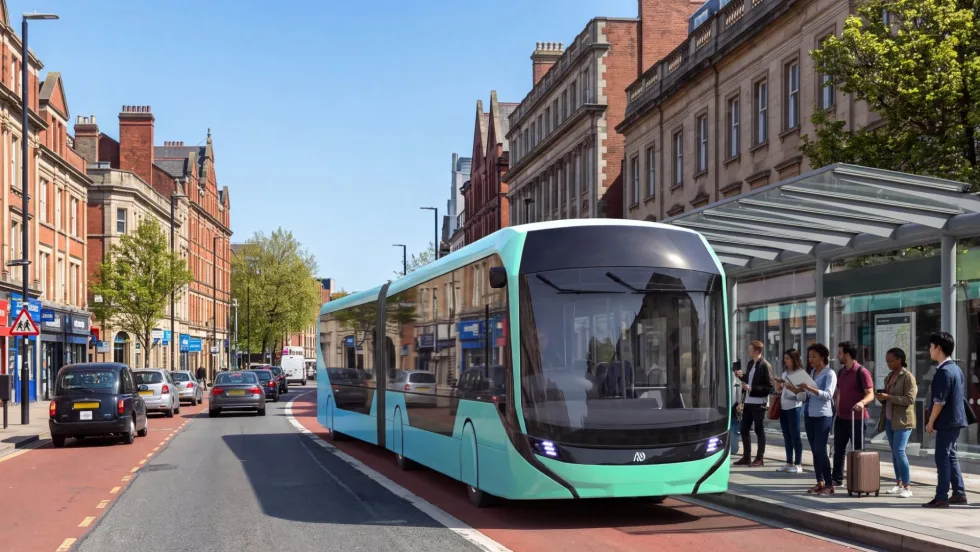
Biz Briefs: New Electric Offering from Alexander Dennis/Volvo, Transdev in Boston, and More
In METRO's latest installment, we also take a look at recent news from STV, WSP, Prevost, and more partnerships making headlines across the transportation sector.
Read More →
Roman Cornell on ABC Companies’ Evolution and the Future of Passenger Transportation
The company’s CEO discusses carrying forward a third-generation family legacy, ABC’s continued evolution in passenger transportation, support for increasingly complex fleets, and how technology and continued investment could help operators improve uptime.
Read More →
ETA CEO John Maglio on Transit Technology, Innovation, and Building Agency Trust
ETA founder and CEO John Maglio explores the evolution of transit technology, the importance of reliable systems, and how stronger partnerships can help agencies improve operations and the passenger experience.
Read More →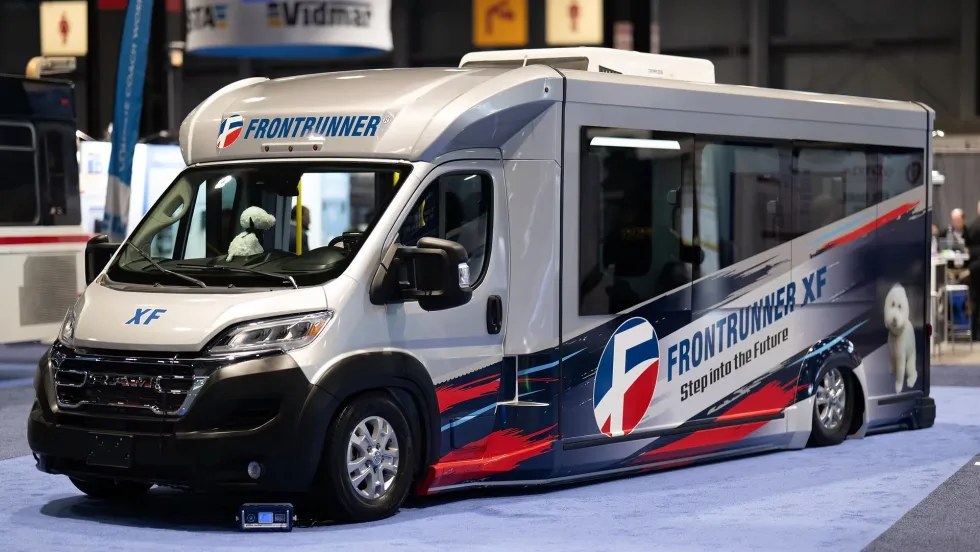
Frontrunner Bus Group Introduces XF Low-Floor Bus with Enhanced Accessibility
The new mid-sized bus features a full flat-floor design, eight-inch curbside step-in height, and zero-entry rear ramp to improve passenger access and operational flexibility.
Read More →
Building a Flexible Path to Transit Electrification with BAE's John Hroncich
John Hroncich discusses BAE Systems’ modular and scalable approach, lessons learned from decades of real-world operations, and how agencies can identify electrification strategies that fit their fleets.
Read More →
Scenes from APTA TRANSform & EXPO 2026
Transit leaders, manufacturers, and industry professionals gathered in Chicago to explore new technologies, share ideas, and discuss the future of public transportation.
Read More →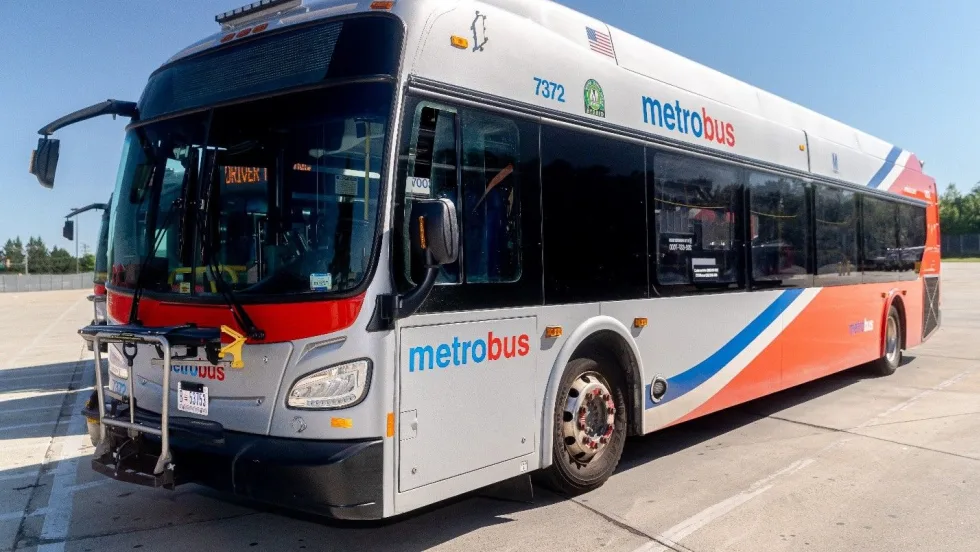
Biz Briefs: New Flyer Secures Additional 100-Bus Order from WMATA and More
In METRO's latest installment, we also take a look at recent news from Masabi, MCI, Samsara, and more partnerships making headlines across the transportation sector.
Read More →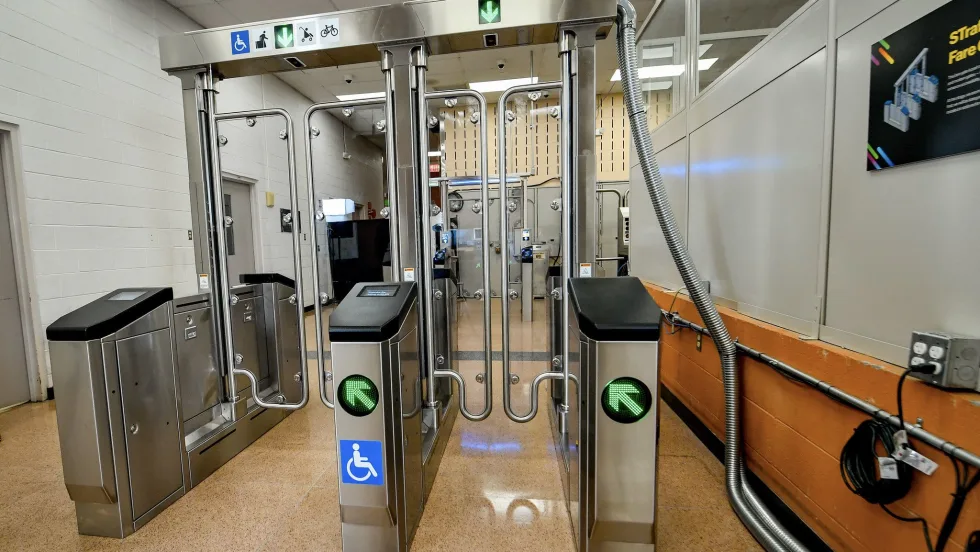
MTA Fare Gate Pilot Reduces Fare Evasion by 35%
Following a 20-station pilot, the agency plans to install new fare gates at 20 additional subway stations as part of a $1.1 billion modernization initiative.
Read More →