




RELATED: TfL taps artificial intelligence to 'chat' with customers
Map to help people with claustrophobia, anxiety navigate London Tube
The new map shows customers routes they can take to avoid areas with large stretches of tunnels.
July 6, 2017
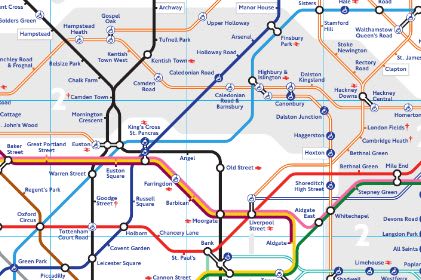
Parts of the lines on the new Tube map (cropped portion shown) have been given a grey overlay to illustrate which stations or sections of track are underground. Transport for London
2 min to read

Parts of the lines on the new Tube map (cropped portion shown) have been given a grey overlay to illustrate which stations or sections of track are underground. Transport for London
Transport for London (TfL) launched a new map that shows which stations and sections of the TfL network are underground to help make the journey less stressful for people with claustrophobia or other anxiety conditions.
The new map shows customers routes they can take to avoid areas with large stretches of tunnels.
There are 270 stations on the Tube network, but more than half are actually above ground, with the Victoria and Waterloo and City lines being the only lines that are wholly underground. In the new design, parts of the lines have been given a grey overlay to illustrate which stations or sections of track are underground. The new map also shows which London Overground, DLR and TfL Rail services are in tunnels.
The tunnels map has been created following suggestions from customers living with claustrophobia or anxiety conditions who find it difficult using the Tube, and has been welcomed by charities. It is one of the many ways that TfL is working to improve the travel experiences of customers using public transport in London, according to the agency. Earlier this year, TfL launched the new 'Please Offer Me a Seat' badge to help disabled customers and those with hidden conditions, illnesses and injuries, find a seat on public transport more easily.
"I sincerely hope that the map will encourage those with claustrophobia and/or panic attacks who have previously avoided this form of public transport out of fear, to re-consider their use of the Tube," said Nicky Lidbetter, chief executive from Anxiety UK, a national charity helping people with anxiety.
The map can be downloaded here - https://tfl.gov.uk/tubetunnelmap
More Rail
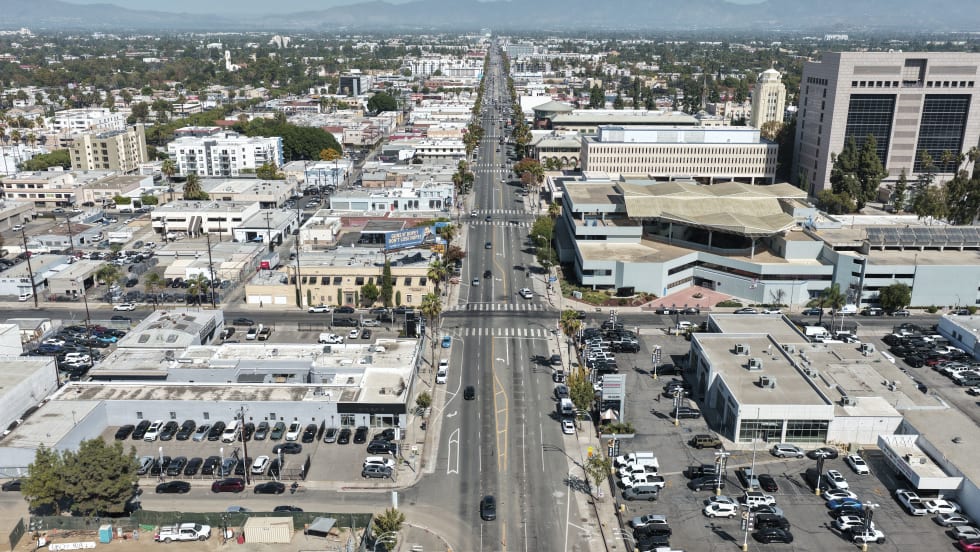
LA Metro Breaks Ground on East San Fernando Valley Light Rail Project
The 6.7-mile line will add 11 stations along Van Nuys Boulevard, expand access to jobs and regional transit connections, and support Metro’s broader efforts to improve mobility as rail ridership grows.
Read More →
CSA Group Releases Climate Resilience Standard for Transit, Passenger Rail
Developed with support from the Standards Council of Canada, CSA D700 guides assessing climate-related risks and planning adaptation measures for transit and passenger rail systems.
Read More →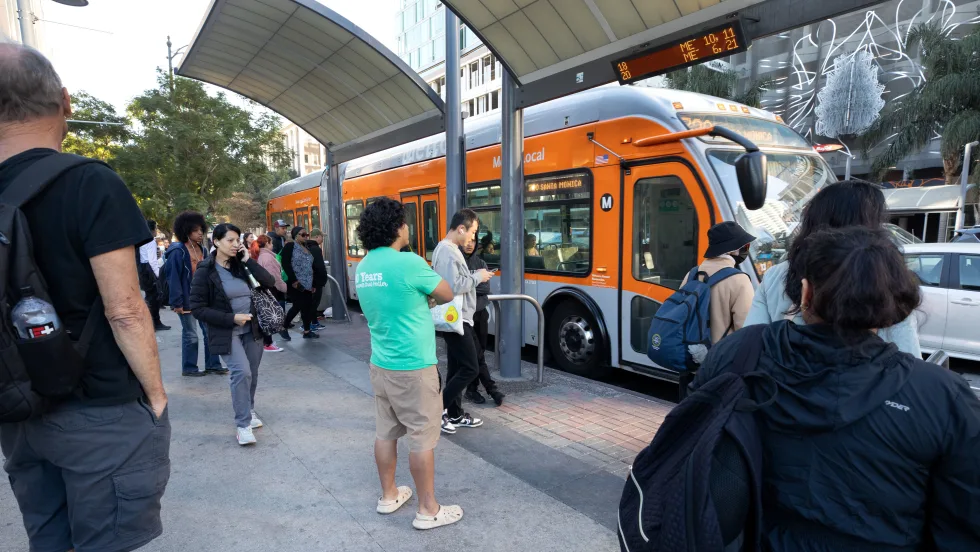
LA Metro September Ridership Climbs 3.9%, Led by Rail Growth
The agency recorded more than 27.2 million boardings, with rail ridership increasing 12.4% year over year and the D Line posting the largest gains.
Read More →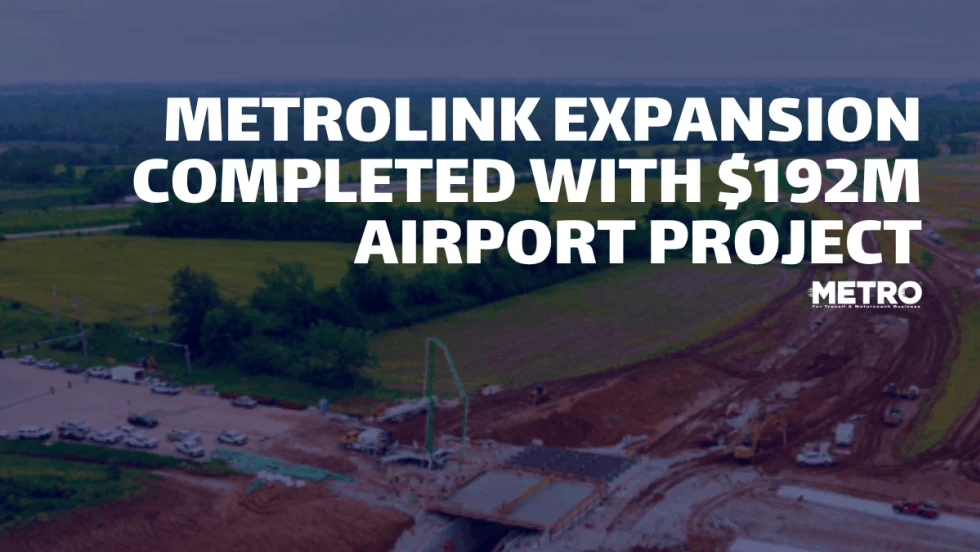
First Full MetroLink Rail Expansion Completed in 20 Years with $192M Airport Project
The project links two St. Louis-area airports by light rail while adding roadway and bike trail connections to improve regional access and mobility.
Read More →
Utilimarc Launches SmartReplace to Optimize Fleet Replacement Decisions
AI-powered SmartReplace helps fleets prioritize vehicle replacements, model budget scenarios, and build more defensible long-term strategies.
Read More →
Scenes from APTA TRANSform & EXPO 2026
Transit leaders, manufacturers, and industry professionals gathered in Chicago to explore new technologies, share ideas, and discuss the future of public transportation.
Read More →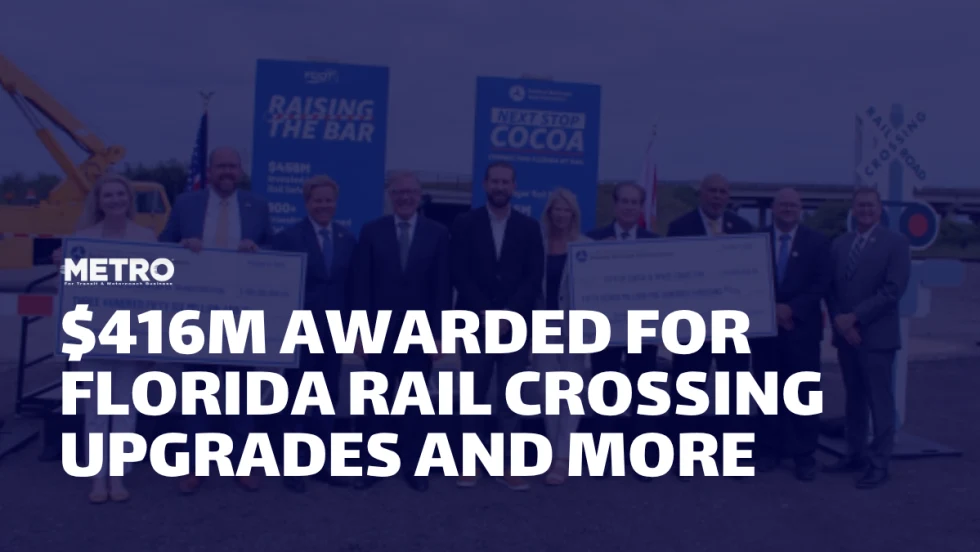
USDOT Awards $416 Million for Florida Rail Crossing Safety Upgrades, New Brightline Station
The projects aim to reduce risks for motorists and pedestrians at rail crossings while expanding passenger rail access along Florida’s Space Coast.
Read More →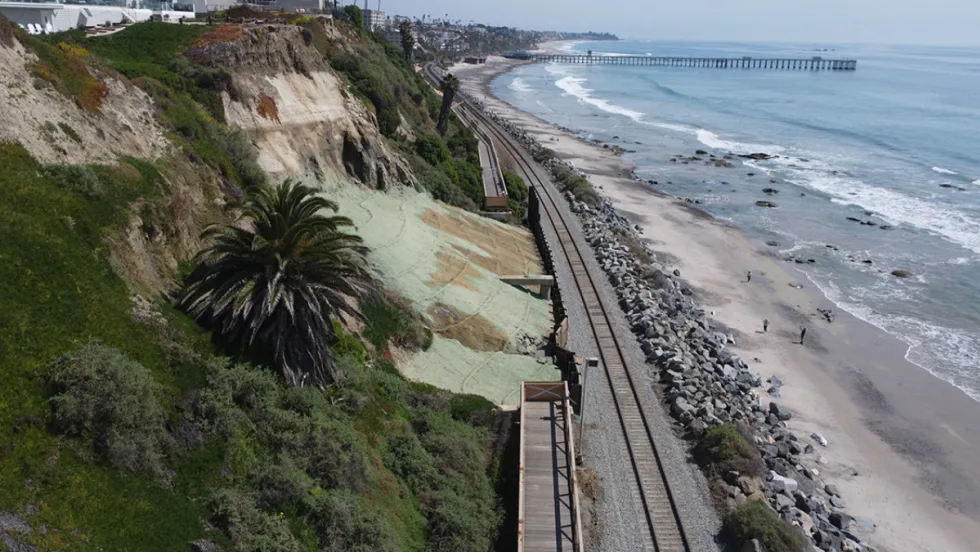
OCTA Declares Emergency to Protect Rail Corridor From Coastal Erosion
The California agency is accelerating shoreline protection and plans to place approximately 690,000 cubic yards of sand along the San Clemente coast to protect a key passenger and freight rail link.
Read More →
More Than a Summer Job: Building the Next Generation of Transit Talent
The Delaware River Port Authority and PATCO have transformed their internship program into a hands-on professional development experience that introduces students to the breadth of transportation careers — and creates a pipeline for future employees.
Read More →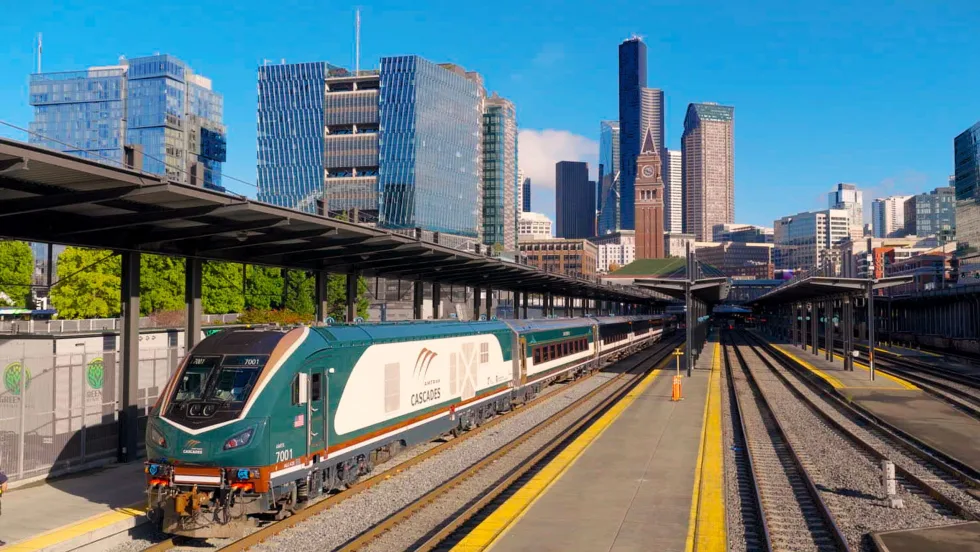
Airo Trains Make Their Amtrak Cascades Debut in the Pacific Northwest
Effective immediately, two cutting-edge Airo trainsets will join the Amtrak Cascades route, operating four daily trips between Vancouver, B.C., Seattle, Portland, and Eugene, Oregon, marking the first introduction of Airo trains into passenger service anywhere in the country.
Read More →