




Similar Content: Wabtec to Improve MARTA Passenger Comfort
MARTA Evaluates On-Demand Pilot Program
Metropolitan Atlanta Rapid Transit Authority partnered with the Georgia Institute of Technology to evacuate a six-month pilot rideshare program.
October 14, 2022

The pilot provided over 7,500 trips and served 8,335 customers.
Photo: MARTA
2 min to read
The Metropolitan Atlanta Rapid Transit Authority (MARTA), in partnership with the Georgia Institute of Technology, is evaluating MARTA Reach, a six-month pilot rideshare program that connected riders to-and-from MARTA bus and rail.
The pilot ran from March through August, providing over 7,500 trips and serving 8,335 customers in West Atlanta (Dixie Hills, Collier Heights, and Florida Heights), Decatur, Avondale Estates, Belvedere Park, the Gillem Logistics Center, Forest Park, Morrow, and parts of Alpharetta and Roswell.
The app-based service used MARTA Mobility vehicles and operators and was funded in-part by a $1 million grant from the U.S. National Science Foundation.
“The end of service is not the end of the Reach program. Evaluation is the second half of any successful service pilot,” said MARTA Interim General Manager and CEO Collie Greenwood.
“Now we can study what worked, what didn’t, and how Reach may be adopted and expanded to help complement our upcoming bus network redesign.”
MARTA's On-Demand Pilot Program Results
Service data shows customers waited on average just over seven minutes for a ride after requesting one and spent an average of nine minutes traveling to their destination.
Thirty-five percent of all Reach trips were taken in August, with the highest ridership coming on the final day of the pilot. Early pilot results show that close to 60% of all Reach trips were taken in the West Atlanta zone, a primarily residential community that includes H.E. Holmes rail station, and 35 percent of trips taken in the Belvedere zone.
The most frequent users of the service were Black women between 25 and 34 years old.
Georgia Tech’s Industrial and Systems Engineering (ISyE) team, under the leadership of Professor Pascal Van Hentenryck, provided the technology, including routing logic, and rider, operator, and administrator system apps for the project.
MARTA and Georgia Tech are working together to evaluate the pilot data and will provide a deeper analysis and next steps in January.
Just recently, MARTA voted to advance Collie Greenwood to GM/CEO. Greenwood won the vote out of 11 candidates with varying background in transportation.
More New Mobility

ENC Unveils ZAVIR Medium-Duty Electric Shuttle
The new ZAVIR brand targets shuttle and paratransit operations with battery-electric and range-extended electric vehicle options.
Read More →
Public Transit Conference Returning to GFX in 2027, Call for Papers Now Open
The Call for Papers is now open, allowing transit agency professionals and industry experts to help shape the PTC educational program by submitting session ideas for consideration.
Read More →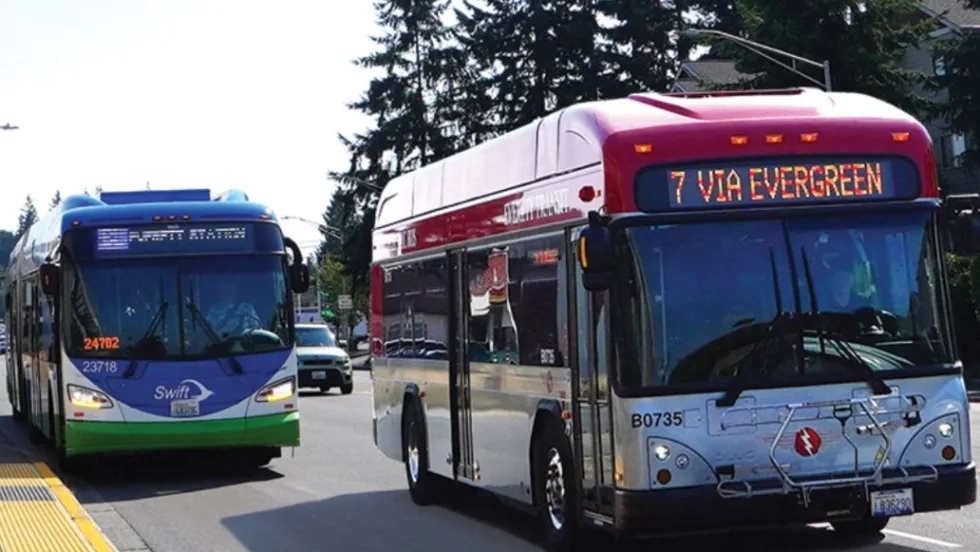
Everett Transit, Community Transit Outline Consolidation Agreement
The proposed agreement calls for a 50% increase in bus service in Everett, a new microtransit zone, continued paratransit service, and the transfer of Everett Transit operations to Community Transit.
Read More →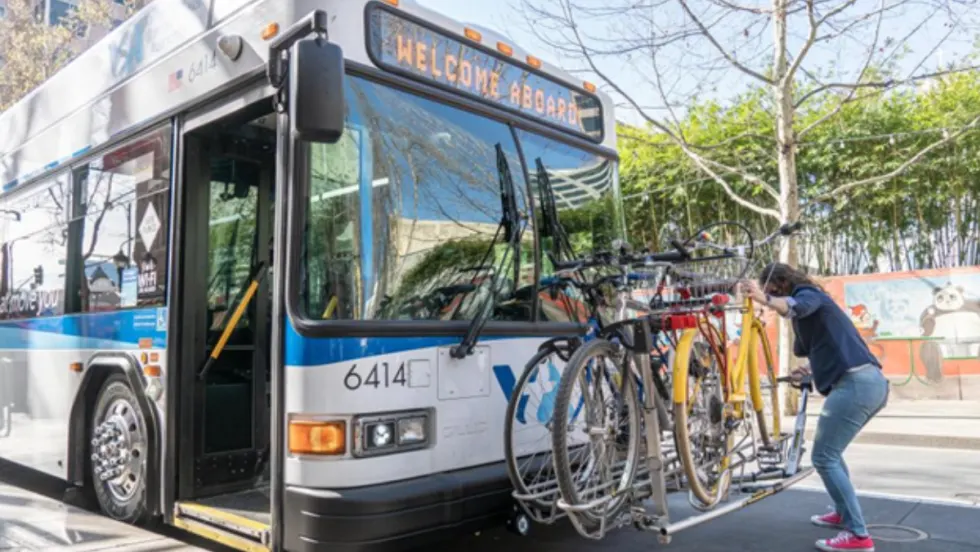
What Multimodal Data Can Tell Transit Agencies About Rider Demand
See how bike-on-bus data is giving transit agencies new insight into rider demand, capacity constraints, and gaps in first- and last-mile connections.
Read More →
From Hardware to Digital Partner: Luminator Charts Its Next Chapter
CEO Magnus Friberg discusses Luminator’s shift toward becoming a digital partner, the growing importance of software and interoperability, and how AI can help agencies improve operations and passenger experience.
Read More →
Biz Briefs: Alstom Lands Canadian Contract, LYT to Supply California TSP, and More
In METRO's latest installment, we take a look at recent news from Complete Coach Works, Beep, FlixBus, and more partnerships making headlines across the transportation sector.
Read More →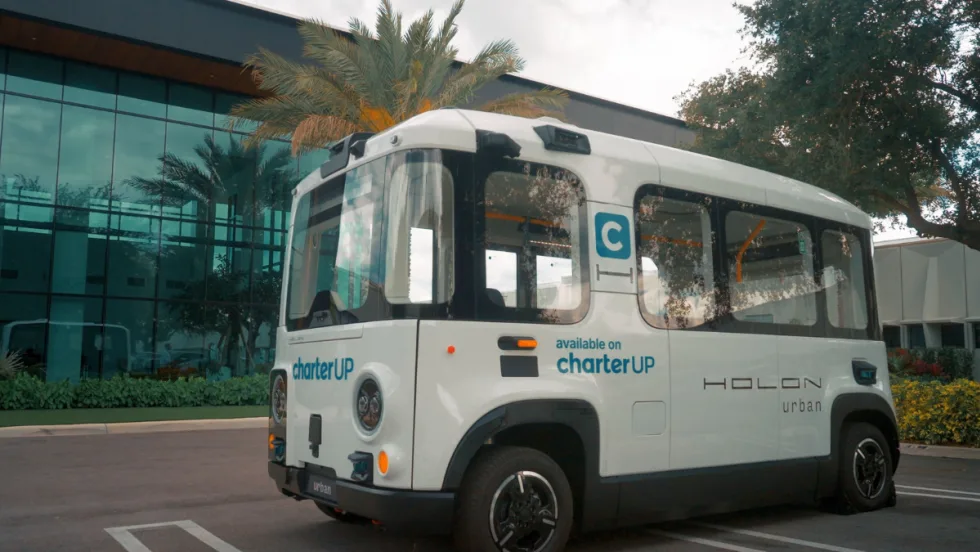
CharterUP’s Armir Harris on Technology, AI, and the Future of Group Mobility
In a recent episode of METROspectives, CharterUP Founder/CEO Armir Harris discussed the company’s evolution from an online charter bus marketplace into a technology platform supporting public- and private-sector mobility and much more.
Read More →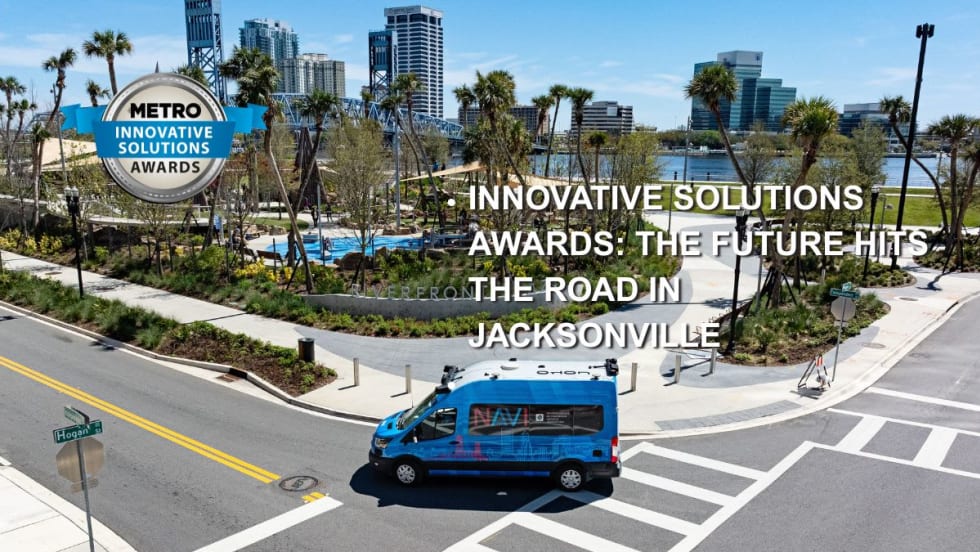
Jacksonville’s NAVI Project Charts a New Course for Autonomous Public Transportation
Through its NAVI program, JTA is showing how autonomous vehicles, intelligent infrastructure, and coordinated operations can work together to deliver everyday public transportation.
Read More →
Biz Briefs: Luminator Marks Milestone and More
From manufacturers and suppliers to transit agencies and motorcoach operators, these updates offer a snapshot of the projects, partnerships and business moves driving the industry forward.
Read More →
New Tricks for Old Bureaucracies: Joshua Schank on Making Transit Innovation Stick
Former LA Metro Chief Innovation Officer Joshua Schank discusses why good ideas aren't enough, how transit agencies can overcome resistance to change, and why today's challenges demand more innovation.
Read More →