




RELATED: New transit planning tool helps agencies design, improve routes
MARTA selects assessment tool to monitor ride quality of commuter rail
ncorporating cutting edge GPS and accelerometer sensors with an intuitive easy-to-use control software interface, rMetrix assesses ride quality, comfort and safety.
February 2, 2016
MARTA
1 min to read
MARTA
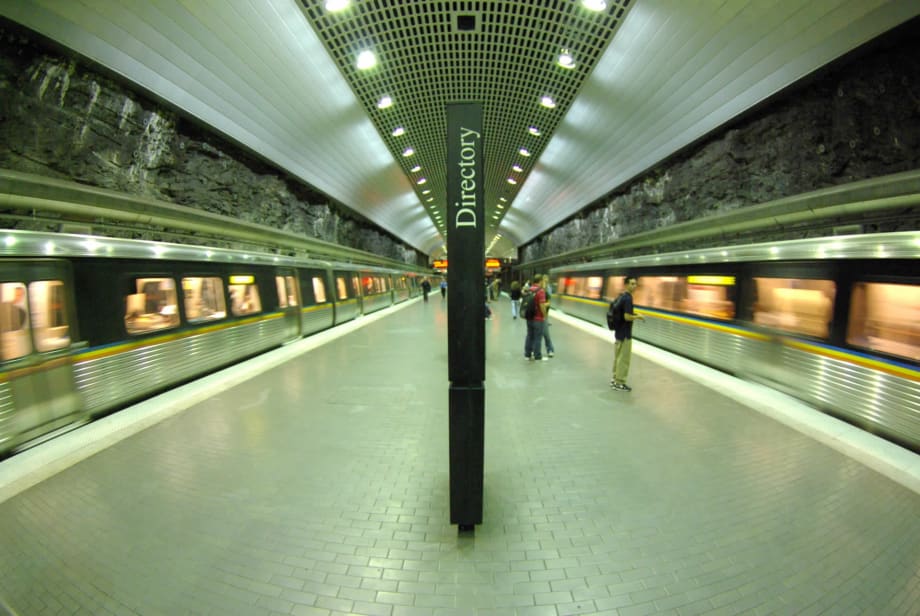
The Metropolitan Atlanta Rapid Transit Authority has chosen dFuzion Inc.'s rMetrix® ride performance assessment system for ride quality monitoring of their commuter rail lines.
The assessment system revolutionizes the way ride quality data is collected, stored, analyzed and displayed. Incorporating cutting edge GPS and accelerometer sensors with an intuitive easy-to-use control software interface, rMetrix assesses ride quality, comfort and safety.
rMetrix is designed for the individual inspector, as well as for organizations, large and small, whereby inspectors can monitor, collect, and analyze geo-spatially correlated ride quality data and make safety and maintenance recommendations in real-time. With rMetrix, organizations can analyze and correlate ride data over time and geography to determine data trends.
rMetrix-A is designed for those organizations who need to continually monitor ride quality and track and vehicle safety conditions with limited inspectors or resources. Using assessment system for continuous track inspection activities leads to the rapid identification and prioritization of locations for corrective and preventive maintenance, as well as the detection of vehicle and track abnormalities that may impact passenger comfort, cargo integrity, equipment reliability and operational safety.
rMetrix® is the result of research initiated by the Federal Railroad Administration, Office of Research and Development and dFuzion Inc.
More Management
Utilimarc Launches SmartReplace to Optimize Fleet Replacement Decisions
AI-powered SmartReplace helps fleets prioritize vehicle replacements, model budget scenarios, and build more defensible long-term strategies.
Read More →
APTA Honors 2026 Award Winners, Hall of Fame Inductees at TRANSform & EXPO
Innovations in autonomous and zero-emission transportation, standout transit systems, and industry leadership took center stage among this year's honorees.
Read More →
7 Ways to Build a Better Transit Internship Program
Lessons from DRPA/PATCO’s approach to creating a meaningful internship experience—and developing the next generation of transportation professionals.
Read More →
Scenes from APTA TRANSform & EXPO 2026
Transit leaders, manufacturers, and industry professionals gathered in Chicago to explore new technologies, share ideas, and discuss the future of public transportation.
Read More →
Building Stronger Leaders, More Resilient Transit Teams
Dr. Carol Parker Walsh discusses leadership development, employee retention, workplace culture, and preparing transit’s workforce for AI and automation.
Read More →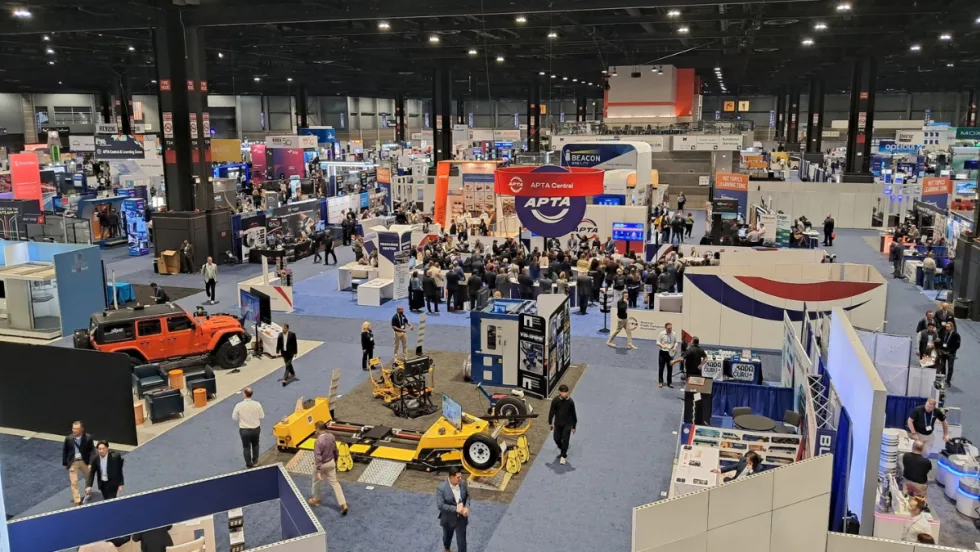
APTA 2026 TRANSform & EXPO Kicks Off in Chicago
After 45 years, APTA returns to Chicago with a focus on next-generation fleets, AI, connected transit networks, and the funding strategies shaping public transportation’s future.
Read More →
New York MTA Warns Federal Tariffs Could Add $1 Billion to Rolling Stock Costs
The agency said tariffs on specialized imported components could reduce the purchasing power of its $23 billion investment in new subway cars, railcars, and buses.
Read More →
From the Show Floor: What Happened at APTA TRANSform & EXPO 2026
See the latest product launches, partnerships, technology updates, and transit industry announcements from APTA TRANSform & EXPO in Chicago.
Read More →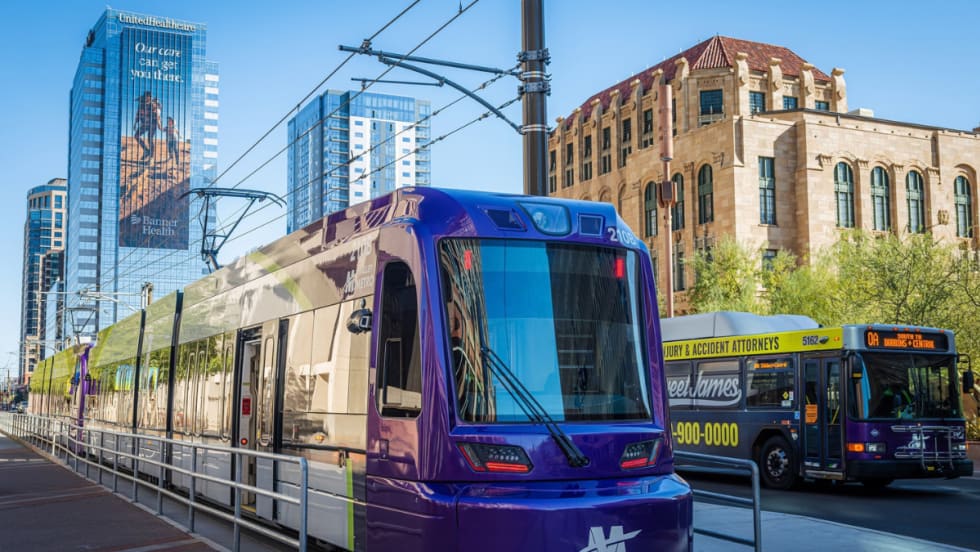
How Valley Metro Is Balancing Transit Growth With the Rider Experience
The APTA award-winning agency is pairing rapid system expansion with investments in workforce, safety, technology, and the fundamentals of transit service.
Read More →
Bus Tech Talk: Keeping Transit Technicians Ahead of the Technology Curve
In this episode of Bus Tech Talk, Complete Coach Works’ Business Development Manager Mark Hollenbeck and METRO’s Executive Editor Alex Roman sit down with Obed Mejia, Senior Technical Trainer for Bus Maintenance, at LA Metro to discuss how rapidly evolving bus technology is changing the maintenance shop — and the skills technicians need to keep pace.
Read More →