



MBTA, Keolis announce service improvement plan
Areas of focus include on-time performance (OTP), staffing, operations, equipment maintenance, customer service, fare collection, and winter weather resiliency plans.


Photo: Keolis

Photo: Keolis
The Fiscal and Management Control Board announced it has endorsed the Massachusetts Bay Transportation Authority's (MBTA) plan to improve service for tens of thousands of Commuter Rail passengers over the course of the next five months.
Under an agreement between the MBTA and Keolis Commuter Services, the areas of focus include on-time performance (OTP), staffing, operations, equipment maintenance, customer service, fare collection, and winter weather resiliency plans.
Following last year's unprecedented winter, the five-month agreement instills a sense of urgency into the strategy for service improvements to be made in the short term, according to transit officials.
"We can, and will do better," said MassDOT Secretary/CEO Stephanie Pollack. "I'm pleased that Keolis has agreed in writing to work harder to achieve our shared goal of providing the level of service Commuter Rail customers expect and deserve."
Following the significant service disruptions in February and March of this year, a lessons-learned analysis identified areas for improvements to make the Commuter Rail system more reliable and resilient. By incorporating the findings of that analysis into this five-month agreement, the MBTA and Keolis have agreed to measure improvements in service against an overall adjusted OTP goal of 92%, with no individual line below 90%. A working group will develop targets for peak period trains. The OTP goals and provisions of the Service Improvement Plan supplement but do not supersede the Keolis contract.
Additional provisions of the agreement include:
Committing to ensuring that 65 locomotives are available for service each weekday
Providing the necessary coach seating capacity required under the contract
The development of a plan to enhance fare collection
A complete review of the system schedule to develop revisions that meet customer demand and optimize on-time performance
Periodic trainings and workforce development programs for Commuter Rail staff
And a new Life Cycle Maintenance Plan for early detection of future maintenance needs.
"Through this agreement, we are committing to the MBTA and our customers that we will further improve our service," said Keolis GM Gerald C. Francis. "More importantly, this agreement serves as a road map for how we are going to deliver this improved service and rebuild the confidence and trust of our passengers by delivering on this commitment."
More Management
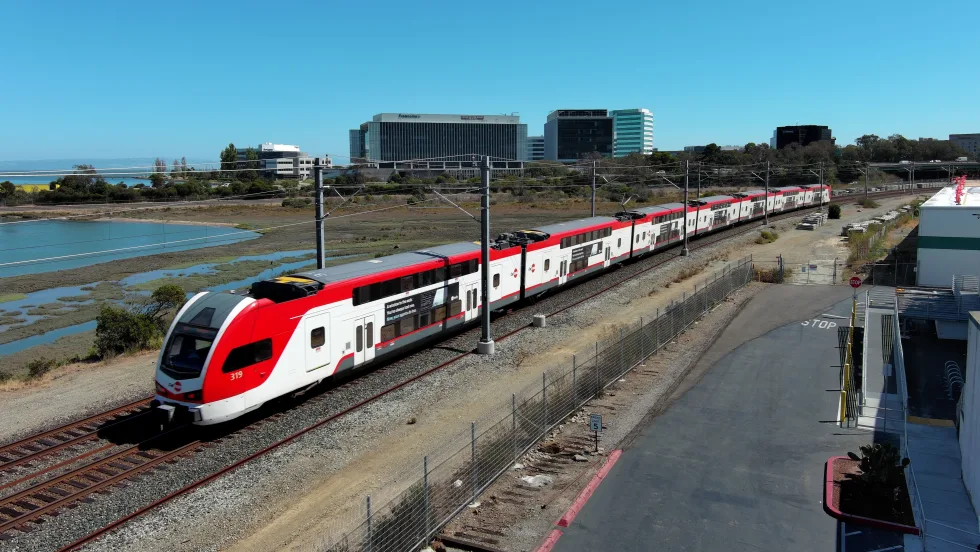
Caltrain’s Electrification Drives a New Era of Ridership Growth
The railroad’s shift to electric service has brought more frequent trains, stronger customer satisfaction, and increased ridership, earning it APTA’s Outstanding Public Transportation System award.
Read More →
Chicago, Charlotte Transit Agencies Expand Rider Support Programs
CTA launched crisis intervention teams as CATS prepares to deploy fare ambassadors, expanding customer assistance and security efforts across both systems.
Read More →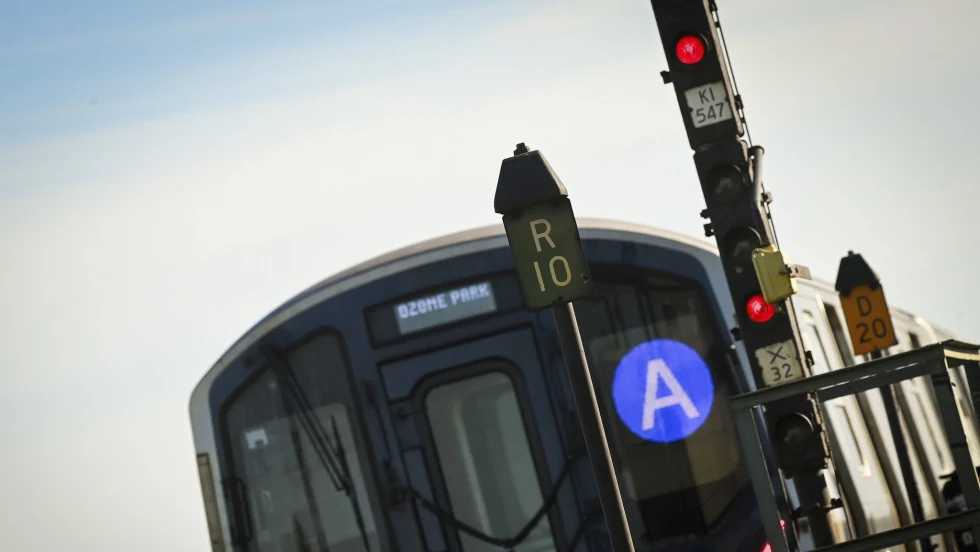
New York MTA Launches Historic $1.9B Signal, Track Modernization Project
Funded in part by congestion pricing revenue, the project will replace nearly century-old signals along the A and C lines in Brooklyn and Queens.
Read More →
Brian Dickson on Building Stronger, More Resilient Transportation Organizations
Bus Business Consultants Founder Brian Dickson discusses the leadership principles, operational discipline, and strategic planning that separate transportation companies positioned for long-term success from those stuck in survival mode.
Read More →
LA Metro Breaks Ground on Vermont BRT Project
The 12.4-mile corridor is projected to serve 66,200 daily riders, reduce travel times by up to 24%, and create the nation's busiest bus rapid transit corridor.
Read More →
Building Stronger Leaders, More Resilient Transit Teams
Dr. Carol Parker Walsh discusses leadership development, employee retention, workplace culture, and preparing transit’s workforce for AI and automation.
Read More →
Roman Cornell on ABC Companies’ Evolution and the Future of Passenger Transportation
The company’s CEO discusses carrying forward a third-generation family legacy, ABC’s continued evolution in passenger transportation, support for increasingly complex fleets, and how technology and continued investment could help operators improve uptime.
Read More →
CATS Launches West Charlotte Microtransit Zone, Expands Transit Services
The new microtransit zone connects residents to key destinations as Charlotte Area Transit System rolls out the first phase of its 2055 Transit System Plan.
Read More →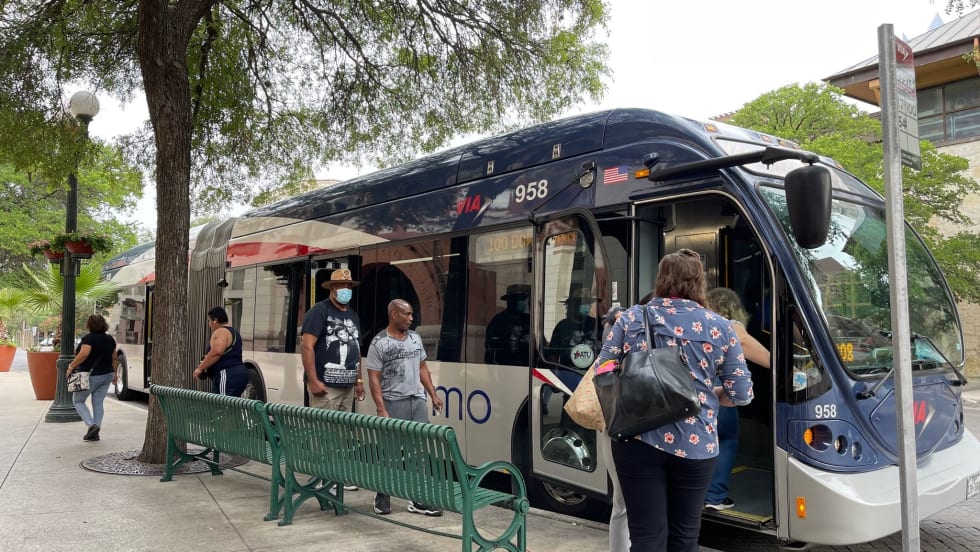
VIA Bus Ridership Grows 10.1% Through August 2026
San Antonio's VIA Metropolitan Transit reported the highest bus ridership growth among major Texas transit systems. Federal Transit Administration data ranked it second among the nation's 50 largest transit systems.
Read More →
CSA Group Releases Climate Resilience Standard for Transit, Passenger Rail
Developed with support from the Standards Council of Canada, CSA D700 guides assessing climate-related risks and planning adaptation measures for transit and passenger rail systems.
Read More →