



Metra Challenges Industry to Prototype Zero-Emission Locomotives
The Metra board recently approved the issuance of an RFP that will ask manufacturers to propose solutions to convert three of Metra’s older F40PH-3 diesel locomotives to zero-emission battery power.
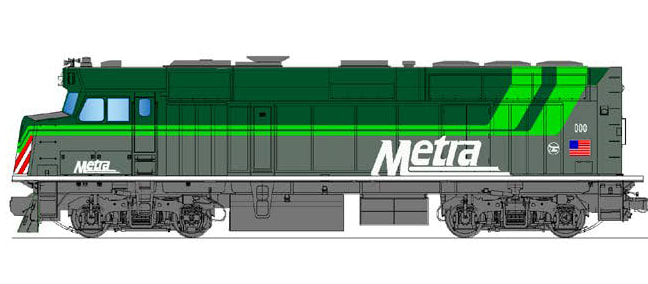
Rendering via Metra
Chicago’s Metra is challenging the industry to create a zero-emission commuter locomotive by converting an older engine from diesel to one powered solely by batteries.
The Metra board recently approved the issuance of a Request for Proposals (RFP) that will ask manufacturers to propose solutions to convert three of Metra’s older F40PH-3 diesel locomotives to zero-emission battery power. The RFP will be issued in the upcoming days; the contract is expected to be awarded in the fall and the first solutions should be delivered about 30 months later.
“This proposal could be game-changing,” said Metra Executive Director/CEO Jim Derwinski. “We have been monitoring the development of this technology for several years and believe the time is right to work with the industry and set a path for a brighter and cleaner future. With the Biden administration pushing for greener energy, we believe this is the perfect time to pursue this course of action. As we emerge from the fog of this pandemic, we see this as an opportunity to transform Metra, and to become a cleaner partner in the region. And this is only the first step.”
Metra estimates that replacing three older diesel locomotives with zero-emission batteries would reduce nitrogen oxides (NOx) emissions by more than 100 tons per year and particulate matter (PM) emissions by more than two tons per year. By replacing diesel power with battery power, Metra will significantly reduce its emissions footprint and greatly improve air quality for its riders and the Chicago region.
Metra will require the zero-emission locomotives to be fully compatible with its existing railcars and diesel locomotives. They must be capable of operating on any Metra line with trains that range in size from two to 11 cars, and they must be capable of providing a safe and comfortable ride at all speeds up to the maximum speed of 79 mph. The batteries must also power onboard systems, such as lighting, intercoms, and HVAC. The locomotives may be painted in a green version of Metra’s paint scheme to indicate the green technology.
Respondents to the RFP will have to address several key questions: Operating distance? Recharge Time? Operations in Chicago weather? Life cycle maintenance costs? Supporting infrastructure?
The answers to those questions will help determine if Metra proceeds with the purchase and where and how the locomotives would be used in the Metra system. The Rock Island Line’s Beverly Branch is a likely candidate for the first use because of its shorter length; a battery-powered train could make several trips before needing to be recharged.
More Zero Emissions

Building a Flexible Path to Transit Electrification with BAE's John Hroncich
John Hroncich discusses BAE Systems’ modular and scalable approach, lessons learned from decades of real-world operations, and how agencies can identify electrification strategies that fit their fleets.
Read More →
LA Metro Board Awards 220 Battery-Electric Bus Contract to ENC
The contract, which is the largest base award of battery-electric buses by a U.S. transit agency, will be built in Southern California, sustaining good jobs as LA prepares to welcome the world in 2028
Read More →
Public Transit Conference Returning to GFX in 2027, Call for Papers Now Open
The Call for Papers is now open, allowing transit agency professionals and industry experts to help shape the PTC educational program by submitting session ideas for consideration.
Read More →
Report: Transit Bus Manufacturing Supports 34,100 Jobs, $5.1B in GDP
The “Buses Mean Business” report examines the transit bus manufacturing industry’s economic footprint, supply chain, and rising demand for vehicle replacements.
Read More →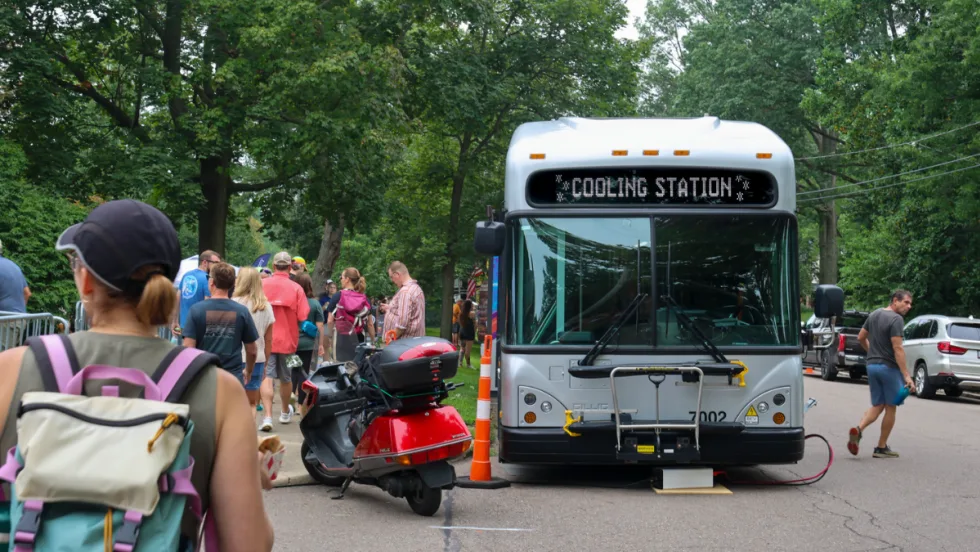
Ohio’s METRO RTA Turns Electric Buses into Mobile Power Sources at PorchROKR
See how three Gillig battery-electric buses powered festival stages while the agency’s new Park & Ride service carried approximately 1,000 attendees, demonstrating another potential use for transit agencies’ electric fleets.
Read More →
CALSTART and Forth Combine to Form Catalyst Mobility
The new name represents a renewed vision for the nonprofit focused on advancing clean, equitable, and affordable transportation solutions that move people and goods.
Read More →
Building a Flexible Path to Transit Electrification
John Hroncich discusses BAE Systems’ modular and scalable approach, lessons learned from decades of real-world operations, and how agencies can identify electrification strategies that fit their fleets.
Read More →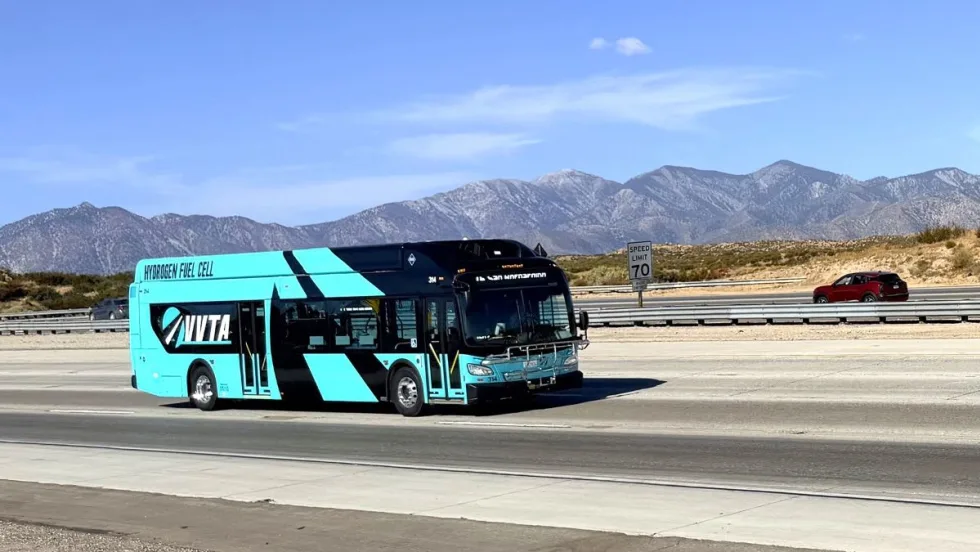
California's VVTA Begins Phased Rollout of Hydrogen Fuel Cell Buses
The agency is introducing 13 zero-emission buses into revenue service while evaluating performance across its urban, rural, and long-distance routes.
Read More →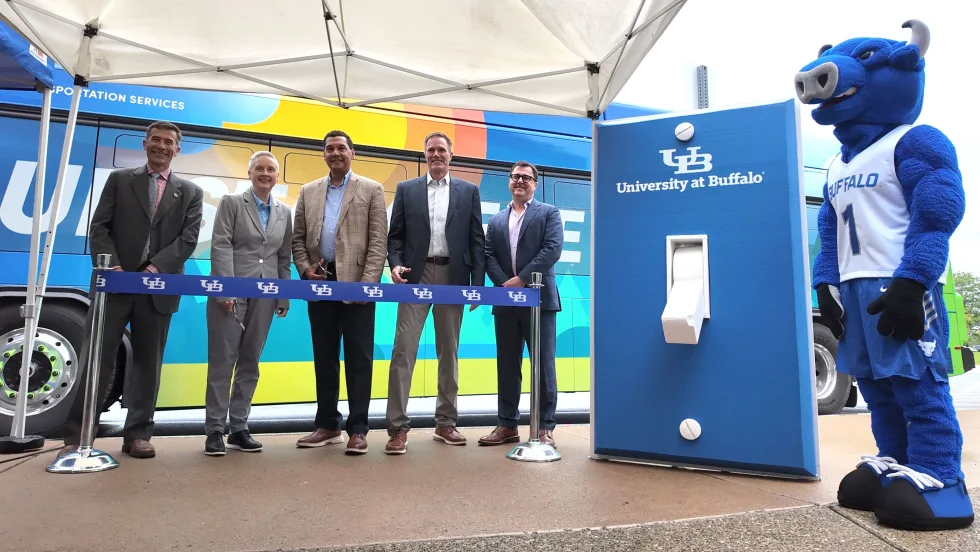
Inside Look: University at Buffalo Puts First 8 Electric Buses Into Stampede Service
UB, transportation solutions provider WeDriveU, and fleet electrification specialist Zenobē marked the deployment in the presence of students, university administrators, and local officials.
Read More →
Biz Briefs: OCTA Taps Clean Energy for Hydrogen Station, Stadler to Supply Via Rail Vehicles, and More
From manufacturers and suppliers to transit agencies and motorcoach operators, these updates offer a snapshot of the projects, partnerships and business moves driving the industry forward.
Read More →