



Metra looks to purchase 21 used locomotives
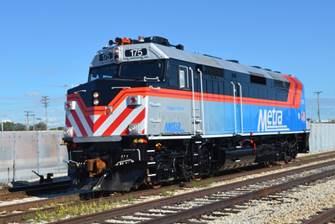
The F59PHIs, which were built by the Electro-Motive Division of GM in 1998 and have been rehabbed within the last five years, have similar parts and operating characteristics to Metra’s existing fleet of EMD F40s, some of which are 35 years old and are in need of overhaul.

Metra is asking for proposals for both new and remanufactured engines because it wants to weigh the costs/benefits of both options.
Metra
Metra is asking for proposals for both new and remanufactured engines because it wants to weigh the costs/benefits of both options.
Metra
Chicago’s Metra board of directors approved the purchase up to 21 used F59PHI locomotives for $1.3 million each, allowing Metra to quickly supplement its locomotive fleet while continuing a longer-term procurement of additional, new, or remanufactured locomotives.
The F59PHIs, which were built by the Electro-Motive Division of General Motors in 1998 and have been rehabbed within the last five years, have similar parts and operating characteristics to Metra’s existing fleet of EMD F40s, some of which are 35 years old and are in need of overhaul. That means they can be integrated into the Metra system quickly and without extensive and expensive training of maintenance and operating crews. The F59s would also increase reliability, reduce pollution, and achieve fuel savings of about 10% to 25% over the older engines.
RELATED: Metra launches 'Metra Moves Me' ad campaign
“Ideally Metra would have sufficient funding to replace older locomotives with new ones on a regular basis,” said Metra CEO/Executive Director Jim Derwinski. “However, Metra has been underfunded for years and we have to work with the funding we have available. We believe this purchase represents a great opportunity to make a big impact on our operations at a reasonable expense, and that’s why we are pursuing this purchase.”
It is rare for service-ready engines to be on the market. These 21 F59 locomotives were most recently used on the West Coast by Amtrak. The engines will become available this year as Amtrak switches to a new Siemens locomotive.
In late 2017, Metra issued a request for proposals (RFP) to begin to replace its aging fleet of engines with new or remanufactured locomotives. The RFP calls for a base order of at least 12 new or 15 remanufactured locomotives with options for up to 30 additional new locomotives or 27 additional remanufactured locomotives, for a total of up to 42 new or remanufactured locomotives. Metra is asking for proposals for both new and remanufactured engines because it wants to weigh the costs/benefits of both options.
Those new or remanufactured locomotives, however, would not be available until late 2020 at the earliest, while the used F59s will be available this year. The F59s would supplement the engines purchased under the RFP.
The F59 purchase will be funded with money already set aside for locomotive purchases or other capital needs and/or through financing.
More Rail

New York MTA Advances Final Contract for Second Avenue Subway Expansion
Contract Four is the largest in the Second Avenue Subway Phase 2 project and includes construction of station infrastructure, tracks, and signals for the subway expansion, MTA officials said. Work on Contract Four will begin in 2027.
Read More →
San Diego MTS Breaks Monthly Trolley Ridership Record
Agency officials said July’s ridership indicates MTS’s continued recovery from the pandemic.
Read More →
Report Examines NJ TRANSIT Reliability, Funding Challenges
The Garden State Initiative analysis examines the roles of Amtrak infrastructure, fleet management, and agency operations while recommending a more performance-based approach to improving reliability.
Read More →
Stadler, CapMetro Sign Long-Term Rail Fleet Support Agreement
Beginning in 2027, Stadler will provide on-site technical expertise, spare parts support, training, and obsolescence management to help extend the reliability and longevity of CapMetro’s GTW fleet.
Read More →
Biz Briefs: Alstom Lands Canadian Contract, LYT to Supply California TSP, and More
In METRO's latest installment, we take a look at recent news from Complete Coach Works, Beep, FlixBus, and more partnerships making headlines across the transportation sector.
Read More →
CATS Gold Line Marks 5 Years of Service, 2.8M Passenger Trips
With a six-mile expansion planned, the Charlotte streetcar is positioned to connect more neighborhoods and major transit hubs across the region.
Read More →
Why Simulating Pedestrian Movement Has Become Essential for Modern Rail Stations
Pedestrian microsimulation is helping rail planners identify bottlenecks, test station designs, and prepare complex transit hubs for growing passenger volumes.
Read More →
Amtrak Begins Major Construction at New York’s Sunnyside Yard
The new maintenance facility will support Amtrak’s Airo trainsets while improving maintenance efficiency and turnaround times in New York.
Read More →
Chicago Leaders Unveil Plans for O’Hare Airport Express Train
The privately developed project would offer a 15-minute trip between downtown and O’Hare’s Terminal 2, with trains operating every 15 minutes on a dedicated track. The service would use battery-electric trains and three existing freight rail rights-of-way.
Read More →
OCTA Maps Out 30-Year Strategy to Protect Coastal Rail Corridor
The draft feasibility report identifies strategies to protect the coastal rail line for decades as the agency continues near-term stabilization and sand placement efforts.
Read More →