



Metra unveils new line schedule allowing for PTC operation
Under PTC, the crew of a train must initialize the system (enter train and route information) before each individual run.

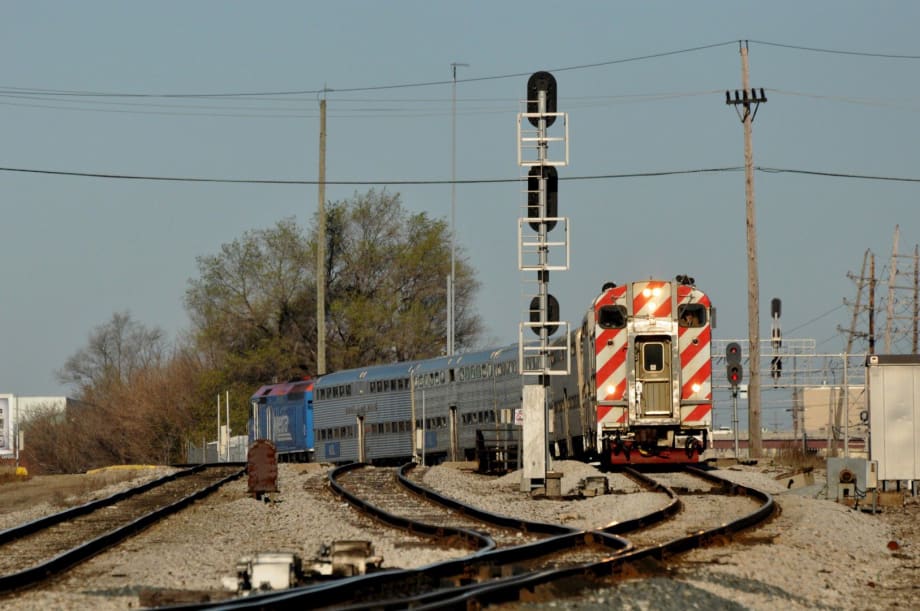
Metra is responsible for creating the back-office system for positive train control and installing the equipment on board all Metra trains and along the tracks of the five routes it control. Photo: Metra
Metra is responsible for creating the back-office system for positive train control and installing the equipment on board all Metra trains and along the tracks of the five routes it control. Photo: Metra
Metra unveiled a new Rock Island Line schedule that includes changes necessary for the new positive train control (PTC) safety system, as well as some service enhancements such as new express trains. The new schedule will start on a trial basis on Jan. 28.
In crafting the new schedule, Metra considered the comments of more than 800 people who emailed the agency about the initial proposed schedule and made adjustments where possible.
The pilot schedule will go into effect on Jan. 28 and operations and ridership patterns will be evaluated over the next few months.
Under PTC, the crew of a train must initialize the system before each individual run. This includes entering information about the size and makeup of the train (because its weight affects its stopping distance) and any other details about conditions along the route (such as work zones or speed restrictions) that could affect the safe operation of the train. The initialization process is expected to take about six minutes.
To handle as many passengers as it does during the morning rush period, Metra must quickly turn trains around at downtown stations and send them back out to make more inbound trips. The same applies to the evening rush period, as trains complete their trips to the suburbs and turn back to pick up more customers downtown. Metra calls this process “flipping” a train, and it will take longer because of PTC.
To flip a train, the engineer must move from the cab car to the locomotive or vice versa, and the crew must clear the train, perform a brake test and conduct a job briefing. With the added task of initializing the PTC system, these “flips” are expected to take more than 10 minutes, so the schedule of about a dozen trains were adjusted, and those changes, in turn, affected other trains on the schedule.
Metra is responsible for creating the back-office system and installing the equipment on board all Metra trains and along the tracks of the five routes it controls (Metra Electric, Rock Island, SouthWest Service and the Milwaukee District West and North). The freight companies that own the other six lines — BNSF Railway (the BNSF Line), Union Pacific Railroad (the three UP lines) and CN Railroad (Heritage Corridor and North Central Service) — are responsible for the trackside equipment and back offices for those routes.
PTC is already fully operational on the BNSF Line, and UP has begun implementation on its three lines. PTC will start on other Metra lines in 2019 and 2020. Similar schedule changes will be needed on other lines with tight flips as PTC is implemented.
More Security and Safety

Transit Agencies Highlight Safety Gains at National Summit
Leaders from 15 major transit systems shared crime-reduction results and safety initiatives while discussing the role of continued federal support.
Read More →
DART Launches Major Security, Fare Enforcement Initiative
The 90-day demonstration will deploy coordinated security teams at five light rail stations while testing controlled access and gathering data to guide future investments.
Read More →
RTD Launches NextRide App to Consolidate Trip Planning, Fares, Security Reporting
The app expands on RTD’s existing NextRide web application and allows customers to view real-time vehicle locations and service alerts, purchase and store digital fares, and access customer support.
Read More →

TAPTCO Updates OSHA Compliance Training for Transit Maintenance Operations
The revamped program addresses 26 OSHA standards for maintenance facilities, with TAPTCO pointing to training, documentation, and everyday shop hazards as continuing challenges for transit operations.
Read More →
How VaporVision Adds Value to Transit Door Systems
Wabtec engineers explain how the system improves doorway detection, strengthens diagnostics and gives transit agencies and OEMs greater operating flexibility.
Read More →
FRA Announces $5.3B in Rail Investments, Including $2B for Amtrak
Funding will support grade-crossing improvements, infrastructure upgrades, and new Amtrak equipment in 23 states.
Read More →
Chicago, Maryland Expand Non-Law-Enforcement Safety, Rider Support
The CTA and MTA are launching new programs aimed at de-escalation, crisis response, rider assistance, and greater transparency.
Read More →
LA Metro, City of West Hollywood, and Partners Advance Smarter Bus Lane Enforcement
The award-winning partnership combines AI-powered detection with human oversight to improve bus reliability, accessibility, and enforcement efficiency.
Read More →
LA Metro Reports 57% Decline in Homelessness on Transit System Since 2024
The agency's latest homelessness count offers new data on how care-based services and cross-sector partnerships can complement traditional transit security strategies.
Read More →
FTA Launches 'Transit Moves America' Dashboard to Highlight Agency Safety and Performance
The online dashboard transforms National Transit Database information into a public-facing resource that allows users to compare transit agencies on key operational and safety metrics.
Read More →