



Metro-North goes high-tech to examine catenaries
Multi-functional process will use sensors, including a camera that will photograph every inch of the New Haven catenary system and transfer those images to a computer that will determine the height, stagger (horizontal deviation of the wire from centerline of the track below it) and contact wear on the underside of the catenary wires to determine any present or potential problems.

The N.Y. Metropolitan Transportation Authority's Metro-North Railroad (MNR) is conducting a high-tech diagnostic examination of its entire New Haven Line catenary system to improve performance and identify needed repairs to the complex system of wires that power their trains.
MNR, in conjunction with the Connecticut Department of Transportation, has contracted with Gerken SAS, a French manufacturer of carbon brushes, and Selectra, an Italian technical analysis company, to perform a detailed, high-tech analysis of the catenary system over a two-year period.
The multi-functional process will use sensors, including a camera that will photograph every inch of the New Haven catenary system and transfer those images to a computer that will determine the height, stagger (horizontal deviation of the wire from centerline of the track below it) and contact wear on the underside of the catenary wires to determine any present or potential problems. Actual catenary conditions will be compared to established criteria for these parts to ensure reliable operation.
The sensors have peripheral vision, which enables images to capture either side of the wires, such as the structures and stations, along the right-of-way, with the exact location of a photographed wire determined by its GPS coordinates.
The system will also capture close-up video images of the pantographs' "shoes," including the carbon wear strips set in metal holders that are positioned on the top of the pantograph arms and rub against the bottom of the electrified catenary wires in order to study the pantographs' performance, position and electrical commutation.
More Rail

Scenes from APTA TRANSform & EXPO 2026
Transit leaders, manufacturers, and industry professionals gathered in Chicago to explore new technologies, share ideas, and discuss the future of public transportation.
Read More →
USDOT Awards $416 Million for Florida Rail Crossing Safety Upgrades, New Brightline Station
The projects aim to reduce risks for motorists and pedestrians at rail crossings while expanding passenger rail access along Florida’s Space Coast.
Read More →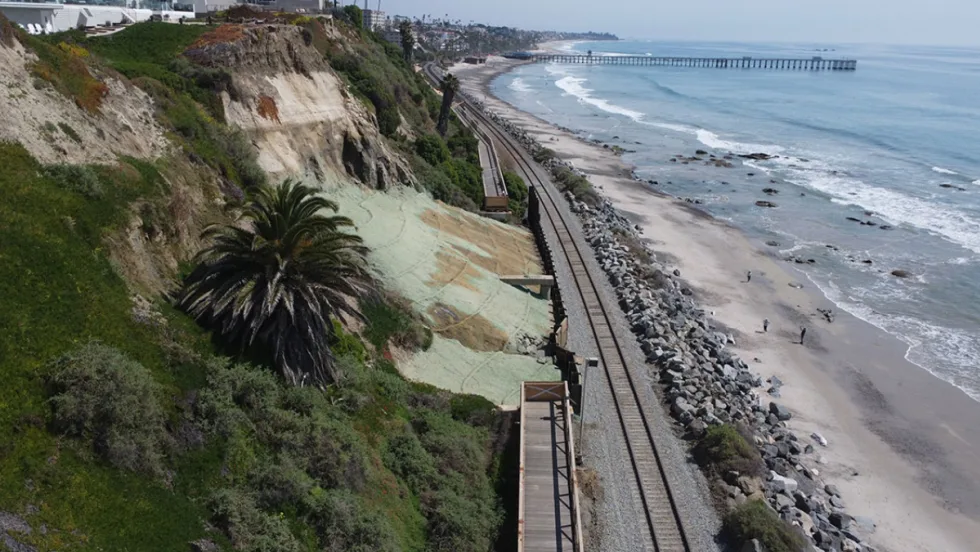
OCTA Declares Emergency to Protect Rail Corridor From Coastal Erosion
The California agency is accelerating shoreline protection and plans to place approximately 690,000 cubic yards of sand along the San Clemente coast to protect a key passenger and freight rail link.
Read More →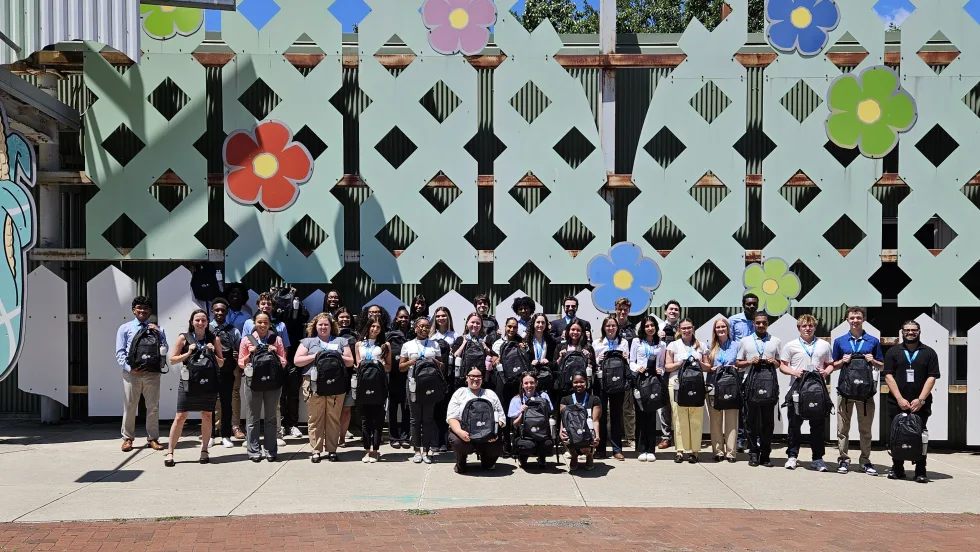
More Than a Summer Job: Building the Next Generation of Transit Talent
The Delaware River Port Authority and PATCO have transformed their internship program into a hands-on professional development experience that introduces students to the breadth of transportation careers — and creates a pipeline for future employees.
Read More →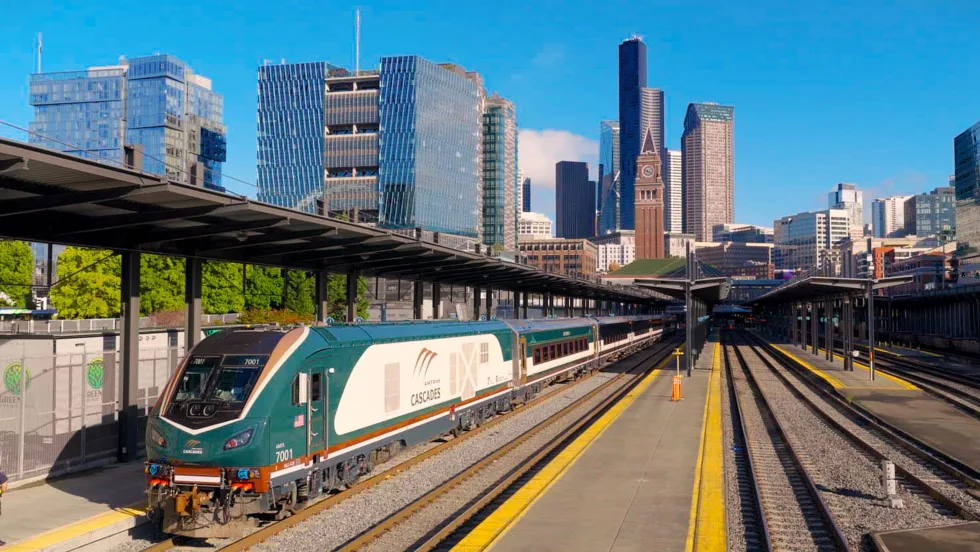
Airo Trains Make Their Amtrak Cascades Debut in the Pacific Northwest
Effective immediately, two cutting-edge Airo trainsets will join the Amtrak Cascades route, operating four daily trips between Vancouver, B.C., Seattle, Portland, and Eugene, Oregon, marking the first introduction of Airo trains into passenger service anywhere in the country.
Read More →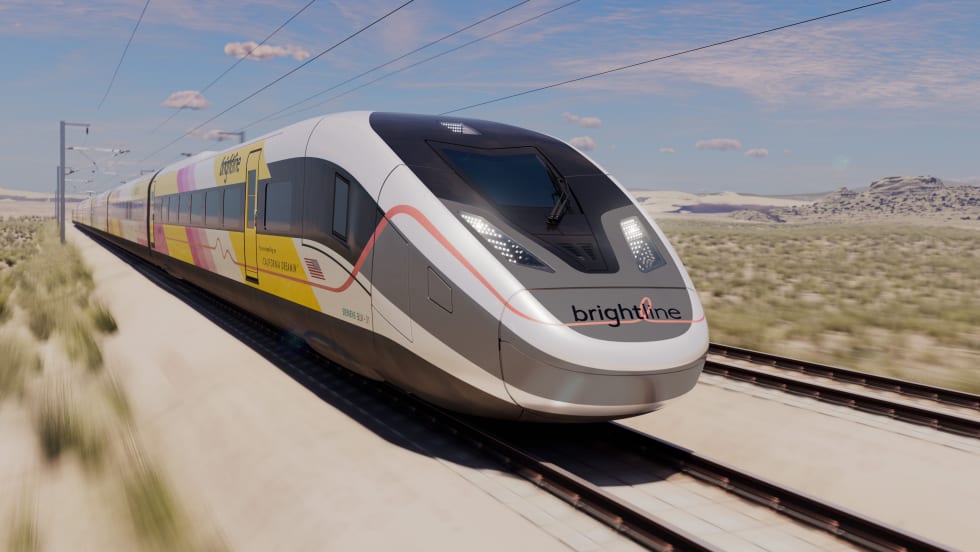
Florida's Brightline Announces Financial Restructuring
Brightline Florida says train operations will continue as normal as certain parent entities enter Chapter 11 and financial stakeholders provide $490 million in new long-term capital.
Read More →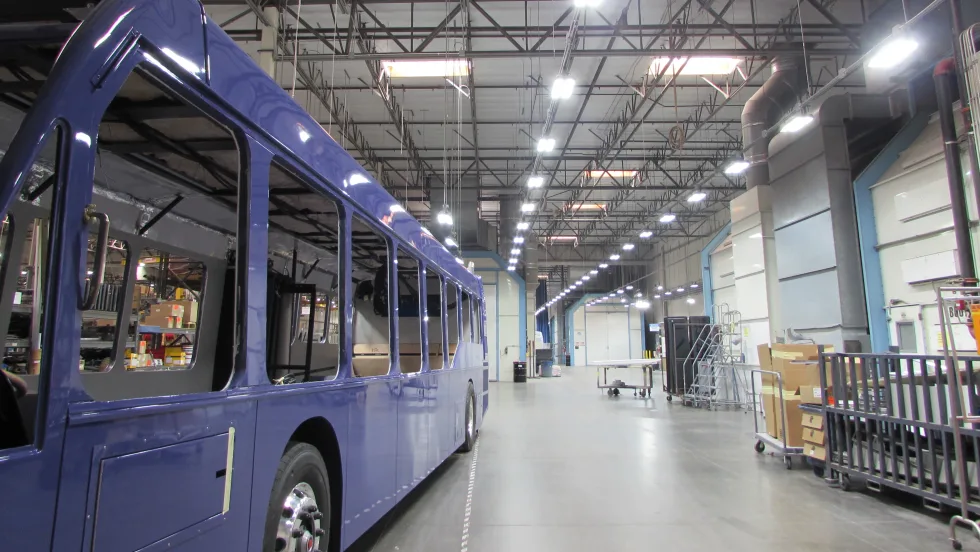
ENC Lands MATA Contract and More in Biz Briefs
In this edition of Biz Briefs, we spotlight the latest developments shaping the future of mobility.
Read More →
Strada360’s Steve Lassey on Turning Transit Data Into Better Decisions
From breaking down data silos to preparing for AI, Strada360 CEO Steve Lassey discusses how transit agencies can use technology to improve operations, customer information, and long-term decision-making.
Read More →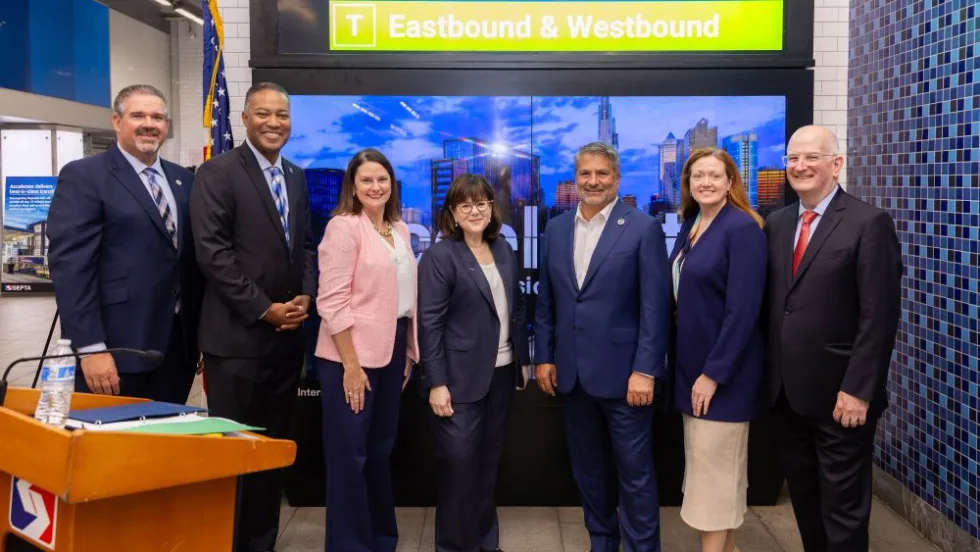
SEPTA Details Accelerate Vision for Transit System
The plan outlines investments in trolley modernization, new Metro and Regional Rail vehicles, accessible stations, and more frequent bus and rail service.
Read More →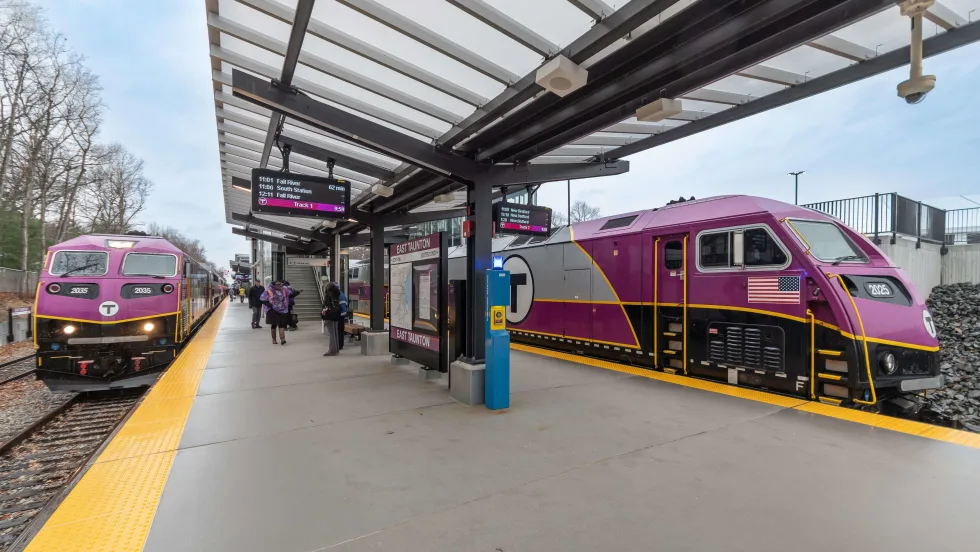
FTA Ends Direct Oversight of MBTA Safety Actions
The federal agency closed its remaining special directive to the Massachusetts Department of Public Utilities following a safety review that began in 2022.
Read More →