



Michigan Transit Agencies Run Nearly 500 Buses on Propane Autogas
With approximately 500 propane transit buses now deployed across more than 15 agencies statewide, Michigan is driving advancements in mobility while reducing environmental impact and operating costs.

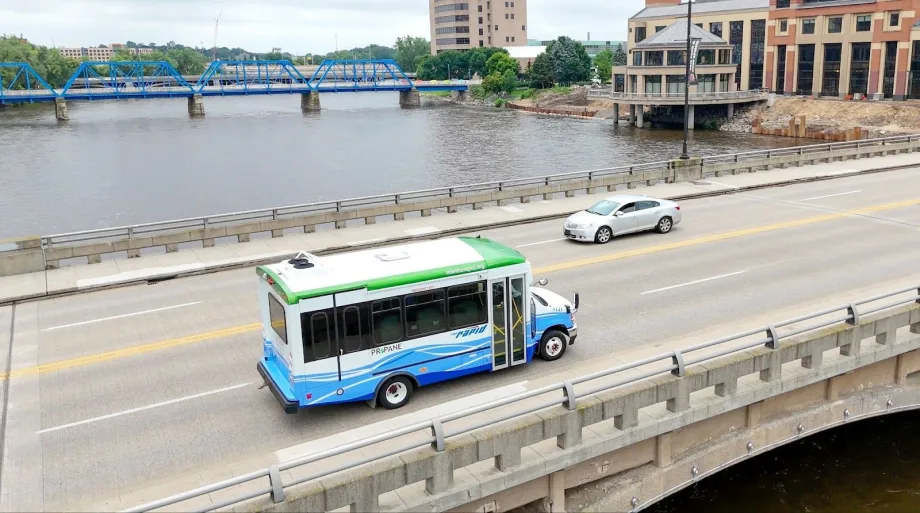
The ROUSH CleanTech Ford E-450 cutaway chassis is the only propane vehicle that has completed the Federal Transit Administration’s New Model Bus Testing Program.
Photo: ROUSH CleanTech
Transit agencies in Michigan are transforming public transportation with the adoption of propane autogas, reported ROUSH CleanTech.
With approximately 500 propane transit buses now deployed across more than 15 agencies statewide, Michigan is driving advancements in mobility while reducing environmental impact and operating costs, said Todd Mouw, executive VP at ROUSH, which will be exhibiting at the Michigan Public Transportation Conference, August 18 to 20.
“Our state’s transit agencies are demonstrating confidence in propane autogas as a reliable and environmentally friendly fuel option for their fleets,” said Mouw. “With the support of Roush engineering and our commitment to sustainability, Michigan is leading the charge toward a greener, more cost-efficient transit future.”
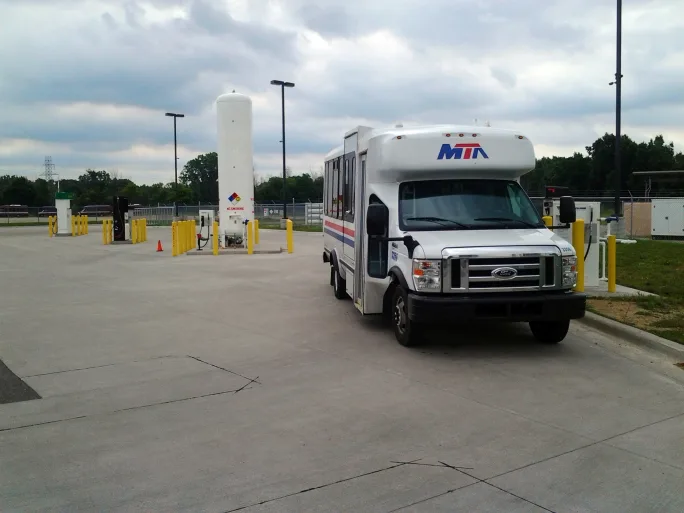
All of ROUSH CleanTech’s propane buses are certified to the ultra-low nitrogen oxide levels of 20 mg/hp-hr, making them 90% cleaner than the EPA’s strictest federal emission regulation and ready to meet EPA and CARB’s 2031 standards.
Photo: ROUSH CleanTech
Tech Fueling Propane
The agencies’ transit buses are equipped with advanced propane engine systems designed and built by the Livonia-based company.
The ROUSH CleanTech Ford E-450 cutaway chassis is the only propane vehicle that has completed the Federal Transit Administration’s New Model Bus Testing Program (Altoona Testing), which allows transit fleet operators to access federal funds, according to the company.
Flint Mass Transportation Authority (MTA) has over 150 buses fueled by propane.
“Propane is the ideal fuel to drive down operational costs and to carry our commitment to reducing our exposure to unstable imported fuel prices,” said Edgar H. Benning, CEO of MTA, which has been operating propane since 2011.
All of ROUSH CleanTech’s propane buses are certified to the ultra-low nitrogen oxide levels of 20 mg/hp-hr, making them 90% cleaner than the EPA’s strictest federal emission regulation and ready to meet EPA and CARB’s 2031 standards.
“We’re reaping the benefits of propane daily,” said Daniel Whitehouse, VP, paratransit and on-demand services, for Metro Detroit’s Suburban Mobility Authority for Regional Transportation (SMART). “Not only were we interested in the cost savings of the fuel and lower maintenance costs, we wanted to help make an impact on the environment with clean propane autogas.”
SMART currently operates over 60 propane buses.
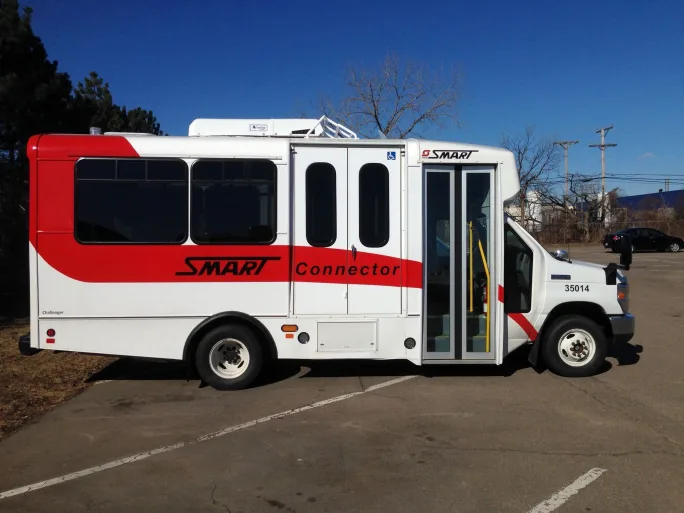
SMART currently operates over 60 propane buses.
Photo: ROUSH CleanTech
Clean and Environmentally Friendly
Propane, which is classified as a clean energy source by the Environmental Protection Agency, is an American-made fuel with more than 90% of the United States' propane supply produced domestically.
“Not only does propane work in our climate, but the vehicles also have similar engine [to gasoline engines], backed by the manufacturer's warranty with the same maintenance program,” said Steve Schipper, COO of The Rapid in Grand Rapids, which runs 47 propane buses. “It is also important that propane is a domestic fuel produced here in the United States, supporting American jobs and reducing dependency on foreign oil.”
The propane buses also lower daily operating costs due to reduced fuel and maintenance expenses. On average, propane autogas costs about 40% less than gasoline and 50% less than diesel, said ROUSH.
In addition, propane buses offer low maintenance costs, optimal drivability, long range, reliable cold-weather performance with unaided starts up to minus 40 degrees Fahrenheit, and a quick cabin warm-up.
“These vehicles are quieter and warm up faster during the winter months, which is an essential feature in regions that experience more frigid temperatures seasonally,” said Whitney Ehresman, transportation director for Allegan County Transportation.
The agency operates seven propane buses, which are a quarter of the agency’s fleet. In their first eight months, the buses saved the agency more than $150,000 in fuel costs.
More Bus
More Than a Summer Job: Building the Next Generation of Transit Talent
The Delaware River Port Authority and PATCO have transformed their internship program into a hands-on professional development experience that introduces students to the breadth of transportation careers — and creates a pipeline for future employees.
Read More →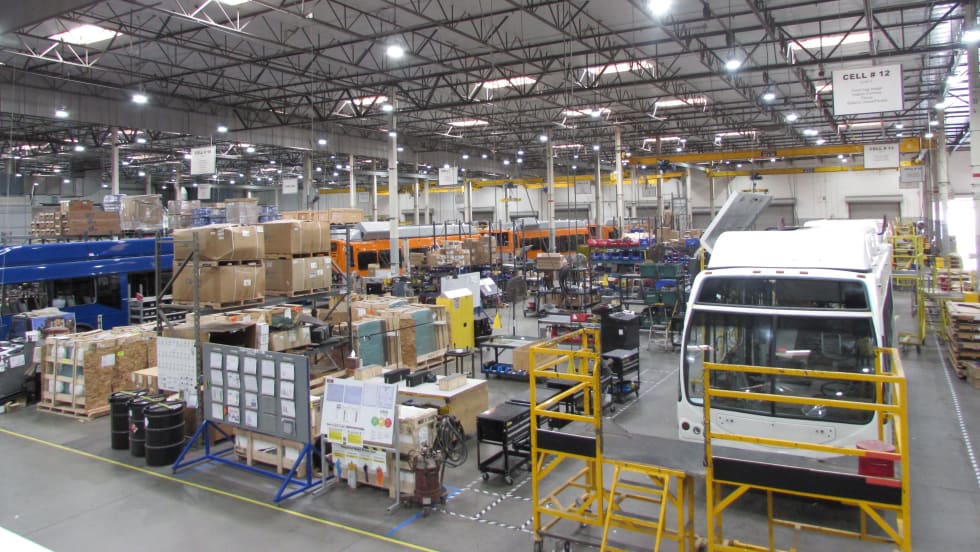
LA Metro Board Awards 220 Battery-Electric Bus Contract to ENC
The contract, which is the largest base award of battery-electric buses by a U.S. transit agency, will be built in Southern California, sustaining good jobs as LA prepares to welcome the world in 2028
Read More →
Public Transit Conference Returning to GFX in 2027, Call for Papers Now Open
The Call for Papers is now open, allowing transit agency professionals and industry experts to help shape the PTC educational program by submitting session ideas for consideration.
Read More →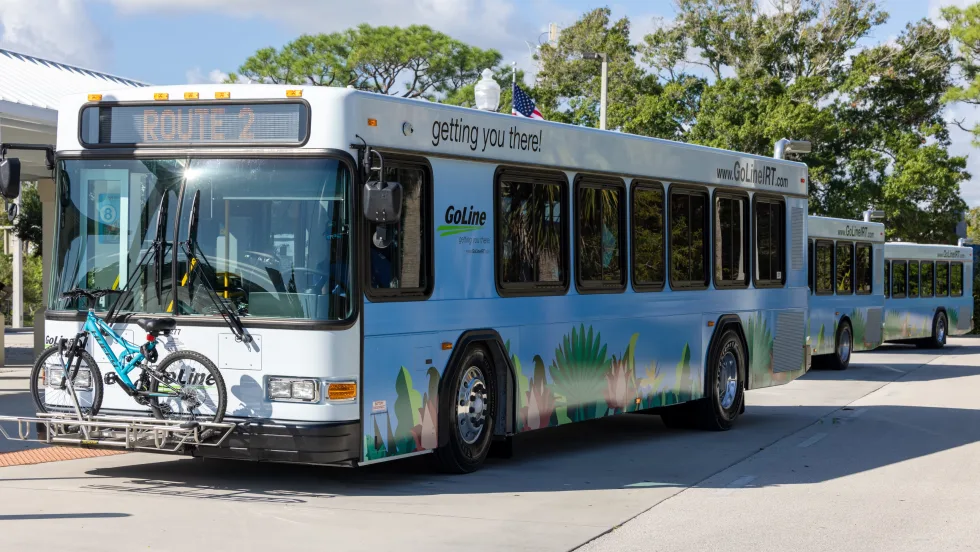
Indian River Transit’s Community-Focused Approach Earns National Recognition
Named APTA’s 2026 Outstanding Public Transportation System in its size category, Florida’s Indian River County transit system continues to grow ridership through fare-free service and a focus on evolving community needs.
Read More →
ENC Lands MATA Contract and More in Biz Briefs
In this edition of Biz Briefs, we spotlight the latest developments shaping the future of mobility.
Read More →
From Surviving to Thriving: Building Stronger Transportation Organizations
Bus Business Consultants founder Brian Dickson shares lessons on leadership, organizational health, and creating options for long-term success in a changing transportation industry.
Read More →
Everett Transit, Community Transit Outline Consolidation Agreement
The proposed agreement calls for a 50% increase in bus service in Everett, a new microtransit zone, continued paratransit service, and the transfer of Everett Transit operations to Community Transit.
Read More →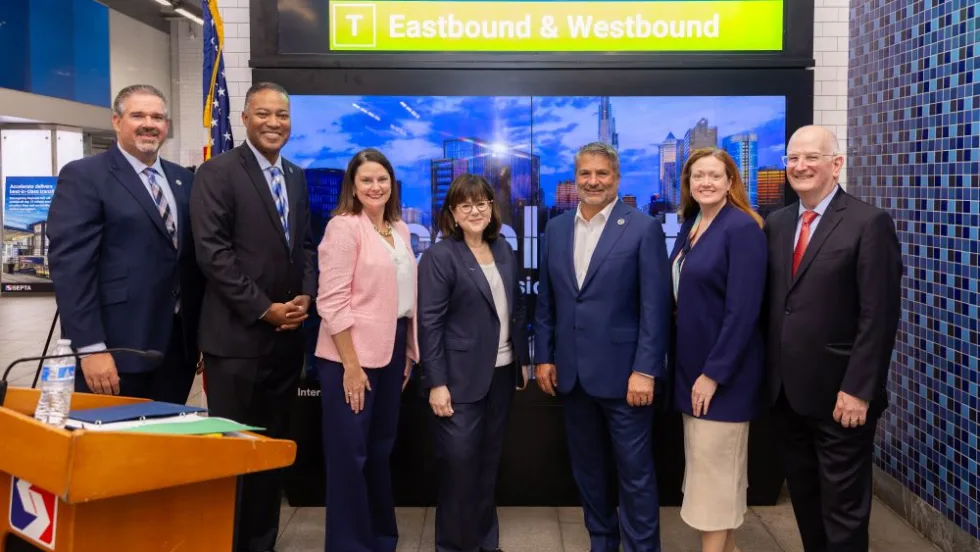
SEPTA Details Accelerate Vision for Transit System
The plan outlines investments in trolley modernization, new Metro and Regional Rail vehicles, accessible stations, and more frequent bus and rail service.
Read More →
Report: Transit Bus Manufacturing Supports 34,100 Jobs, $5.1B in GDP
The “Buses Mean Business” report examines the transit bus manufacturing industry’s economic footprint, supply chain, and rising demand for vehicle replacements.
Read More →
Biz Briefs: New Flyer Delivers in Columbus, Houston, Beep and Freebee Merge, and More
In this edition of Biz Briefs, we spotlight the latest developments shaping the future of mobility.
Read More →